
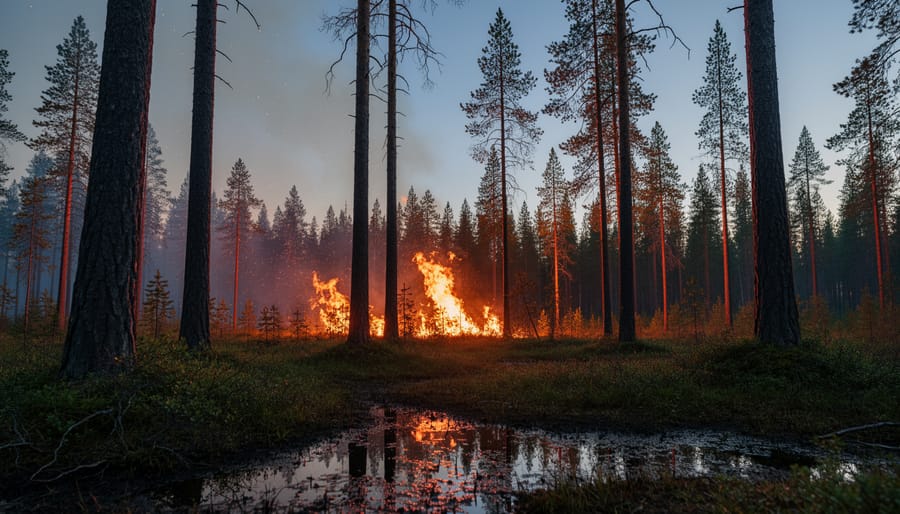

Ontario forest fires are uncontrolled blazes that burn through the province’s boreal and mixed forests, driven by a combination of dry conditions, lightning strikes, and increasing temperatures linked to climate change. As of mid-July 2026, more than 100 active wildfires are burning across northwestern Ontario, with 148 fires reported at their peak and 69 still uncontrolled as of Wednesday morning. These aren’t just surface events. The fires reach deep into the ground, igniting peat layers and altering soil composition in ways that ripple through ecosystems for decades.
Why does this matter now? Fire activity is beginning to ease according to Canadian officials, but smoke plumes have already swept across Ontario, Quebec, and parts of the U.S. Midwest and Northeast, affecting air quality for millions. The Little Knife Fire alone has scorched an estimated 4,598 acres, while a 17,000-acre blaze forced the evacuation of Lynn Lake’s 600 residents in late May. Climate change is intensifying fire seasons, creating hotter, drier conditions that turn forests into tinderboxes and challenge our water management systems.
This article explains how Ontario forest fires work, from ignition to spread, the types you’re likely to encounter, and the underground environmental impacts often overlooked in headlines. You’ll learn how fires affect soil health, peat stores, and groundwater, plus actionable ways communities can prepare and respond. If you’re tracking air quality alerts, wondering how to protect your home, or curious about the science linking wildfires to what’s happening beneath your feet, you’re in the right place. We’ll connect the flames above ground to the hidden shifts below.
Understanding Ontario Forest Fires: What They Are and Why They’re Intensifying
A forest fire in Ontario is an uncontrolled burn that consumes trees, shrubs, grasses, and organic soil layers across the province’s vast boreal landscape. While fire has shaped Ontario’s forests for millennia, clearing deadwood, cycling nutrients, and triggering seed release in jack pine and black spruce, the fires burning today are markedly different. Natural fire cycles historically depended on occasional lightning strikes and seasonal dry spells, with most burns remaining small and patchy. Climate change has fundamentally altered that rhythm, transforming routine fire activity into prolonged, explosive events that overwhelm suppression efforts.
Northwestern Ontario’s 2026 season illustrates this shift. As of mid-July, 148 active wildfires burned across the region, with 69 classified as uncontrolled, fires spreading without containment lines or human intervention. The environmental conditions that enabled this severity are textbook climate amplification: persistent heat waves, below-average rainfall, and snowmelt that arrived weeks earlier than historical norms. These factors converge to create a fire-prone landscape where the boreal forest, normally moist and resilient, becomes a tinderbox. Fuel loads, the accumulation of dead branches, fallen logs, dry moss, and peat, reach critical density when drought persists. In 2026, that combination turned individual ignitions into fast-moving fronts that merged, jumped natural barriers, and defied containment.
Understanding key terms helps decode fire reports and risk assessments:
- Wildfire
- An unplanned, uncontrolled fire burning in natural vegetation, typically ignited by lightning or human activity.
- Fire Weather Index
- A standardized measure combining temperature, humidity, wind speed, and precipitation to predict fire danger; higher values signal extreme risk.
- Fuel Load
- The quantity of combustible organic material (wood, leaves, peat, moss) available to burn in a given area.
- Prescribed Burn
- A planned, controlled fire set intentionally to reduce fuel buildup, mimic natural fire cycles, and prevent catastrophic blazes.
- Fire Perimeter
- The outer boundary line of an active fire, continuously monitored to track spread and direct suppression resources.
Climate change doesn’t just make fires hotter, it lengthens the fire season, dries out forests earlier in spring, and creates weather patterns that sustain burns for weeks. The result is a new normal where routine lightning strikes ignite fires that rapidly escalate beyond historical norms, demanding more resources and threatening communities that once sat comfortably outside fire-prone zones.
How Ontario’s 2026 Wildfire Season Works
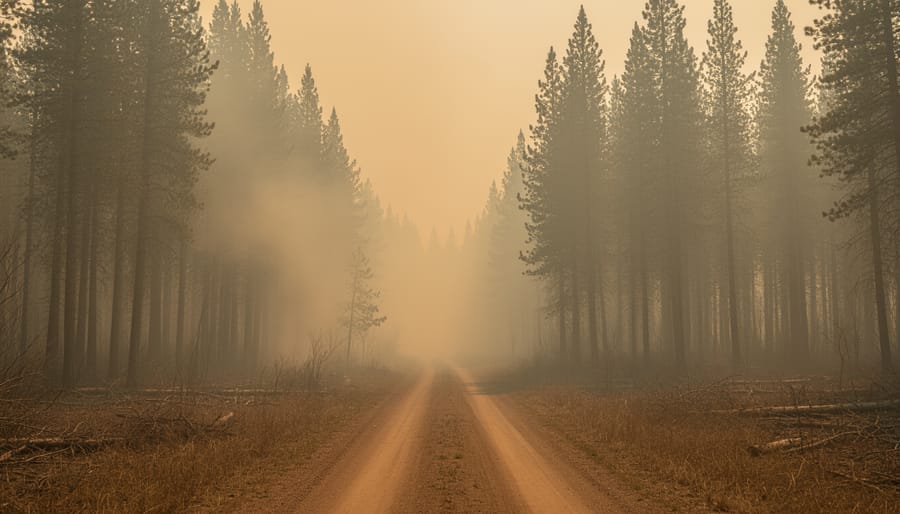
The Role of Climate Change in Fire Behavior
Climate change is not creating wildfires from nothing, but it is turning manageable fire seasons into relentless ones. Rising temperatures dry out forests faster and longer, creating expansive fuel beds primed to ignite. In Ontario’s boreal region, average temperatures have climbed by over 1.5°C since the 1950s, and 2026 has been no exception. When heat waves stack week after week, even moisture-retaining organic soils and peat layers bake dry, setting the stage for ground fires that smolder underground and surface blazes that sprint through canopies.
Earlier snowmelt compounds the problem. Snow that once lingered into late April now vanishes by mid-March, extending the window when forests are vulnerable. Drought periods stretch longer, and when rain does fall, it often arrives in brief, intense bursts that runoff rather than rehydrate deep soil layers. This moisture deficit weakens the forest’s natural firebreaks and makes suppression efforts far less effective.
Northwestern Ontario’s more than 100 active fires in mid-July 2026 illustrate this amplification. Lightning strikes that would have sparked small, containable burns decades ago now ignite fires that explode across thousands of hectares within hours. Wind-driven embers leap kilometers ahead, spawning new ignition points faster than crews can respond. The result is a season where 69 fires remain uncontrolled simultaneously, overwhelming resources and threatening communities that have rarely faced such sustained danger. Climate change has shifted the baseline, making extreme fire behavior the new norm rather than the outlier.
Types of Fires and Fire Zones in Ontario’s 2026 Season
Ontario’s wildfires don’t follow a single pattern. The province experiences several distinct fire types, each behaving differently and posing unique challenges to suppression crews working across the boreal landscape.
Surface fires burn through low vegetation, leaf litter, and fallen branches on the forest floor. They move relatively slowly and rarely exceed a metre in height, making them the easiest type to contain when caught early. Most controlled burns and prescribed fires fall into this category.
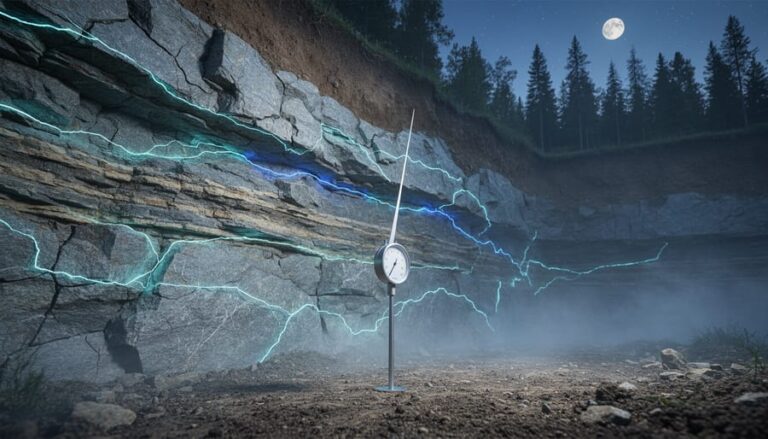
Ground fires smolder beneath the surface in organic soil layers, peat deposits, and accumulated duff. These fires are particularly relevant to underground ecosystems because they consume centuries of accumulated plant material, destroy mycorrhizal fungal networks that support tree health, and can burn for weeks or even months without visible flames. In Ontario’s peatlands and muskeg areas, ground fires release massive amounts of stored carbon and fundamentally alter soil chemistry. They’re notoriously difficult to extinguish because water doesn’t easily penetrate to the burning layers.
Crown fires race through the forest canopy, jumping from treetop to treetop with terrifying speed. When conditions align, high winds, low humidity, drought-stressed trees, a surface fire can transition into a crown fire that travels faster than suppression crews can retreat. These fires generate their own weather systems, creating fire whirls and throwing embers kilometers ahead of the main blaze.
- Surface fires: burn forest floor vegetation and debris at ground level
- Ground/peat fires: smolder in organic soil layers and peat deposits underground
- Crown fires: spread rapidly through tree canopies, the most dangerous type
- Spot fires: ignited by windborne embers landing ahead of the main fire
Northwestern Ontario concentrates most of 2026’s fire activity, with 148 active fires as of mid-July and 69 classified as uncontrolled. This remote region’s vast boreal forests, limited road access, and sparse firefighting infrastructure make containment challenging. Southern Ontario faces far fewer fires due to fragmented forests, higher humidity, and denser settlement patterns that enable faster detection and response.
Fire managers classify each blaze by control status. An uncontrolled fire spreads freely with no suppression action limiting its growth. A fire being held won’t grow beyond predetermined boundaries but isn’t fully extinguished. Under control means suppression efforts have succeeded and the fire poses minimal threat. These classifications shift daily based on weather, crew availability, and strategic priorities, not all fires receive equal suppression effort when resources stretch thin across hundreds of square kilometers.
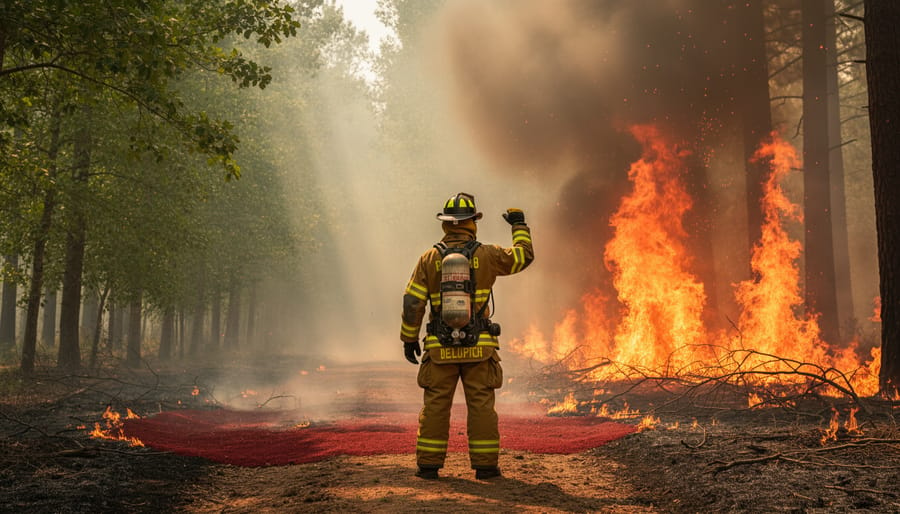
Current Impact: Where Fires Are Burning and Who’s Affected
As of mid-July 2026, northwestern Ontario is bearing the brunt of the wildfire season, with 148 active fires as of Wednesday morning, 69 of which remain uncontrolled. The scale of this outbreak has stretched firefighting resources thin across a vast, remote region where access is limited and weather conditions have been persistently dry.
The Little Knife Fire alone has scorched 4,598 acres, while earlier in the season, the community of Lynn Lake saw all 600 residents evacuated on May 27 when a 7,000-hectare blaze threatened the town. These aren’t just statistics on a map; they’re disruptions to homes, livelihoods, and the sense of safety in small communities that depend on forest ecosystems for their way of life.
The smoke from these fires hasn’t stayed in Ontario. Plumes have drifted east over Quebec and south into the U.S. Midwest and Northeast, triggering air quality alerts and hazy skies as far as major urban centers hundreds of kilometers away. Residents in Toronto, Montreal, and even parts of New York State have experienced the acrid smell and reduced visibility that come with wildfire smoke, a reminder that fire impacts extend far beyond the burn zones themselves.
There’s cautious optimism, though: Canadian officials report that fire activity is beginning to ease. Cooler temperatures and recent precipitation have helped crews gain ground on containment efforts. Still, the damage to underground soil layers, disrupted water cycles, and carbon released from burning peat will take years to recover, even as the visible flames die down. For now, northwestern Ontario remains the epicenter of a season shaped by climate extremes.
How Wildfires Are Used and Managed in Healthy Ecosystems
Fire isn’t just a threat to Ontario’s forests. It’s also a life force.
For millennia, boreal ecosystems have depended on periodic burns to clear deadfall, recycle nutrients, and trigger seed germination in species like jack pine and black spruce. Without fire, forests accumulate dense undergrowth and downed timber that fuel catastrophic blazes. The paradox is clear: preventing all fires can make the inevitable ones far worse.
Prescribed burns, controlled fires set under specific weather conditions, are a cornerstone of modern forest management in Ontario. Crews ignite low-intensity burns during cooler, wetter periods to consume surface fuels, thin overgrown stands, and restore fire-adapted habitats. These deliberate fires reduce the fuel loads that transform controllable incidents into the kind of sprawling infernos we’re seeing in 2026. By mimicking natural fire cycles at manageable scales, prescribed burns lower wildfire risk and improve forest resilience.
Indigenous communities in Ontario have practiced fire stewardship for generations, long before colonial forestry policies imposed total suppression. Traditional knowledge guided seasonal burns that maintained berry patches, enhanced wildlife habitat, and prevented fuel buildup. Today, partnerships between Indigenous fire keepers and provincial agencies are reviving these practices, blending ancestral wisdom with contemporary science. This approach recognizes that fire is a tool, not an enemy.
Controlled burns also rejuvenate soil, releasing locked nutrients and creating ash-rich seedbeds. Intense wildfires, by contrast, can sterilize soil and damage mycorrhizal networks that support tree roots, impacting the underground spaces where forest health begins. Smoke and heat from surface fires can even affect underground ventilation in peat layers, altering carbon storage and water retention.
The challenge is scaling prescribed fire programs to match the accelerated fire seasons climate change is creating. More controlled burns today mean fewer catastrophic fires tomorrow, a strategy that protects both communities and the ecosystems fire was always meant to renew.
Air Quality, Health, and Underground Environmental Impacts
When wildfire smoke blankets cities hundreds of miles from the flames, the health consequences ripple far beyond the burn zones. Ontario’s 2026 wildfire season sent smoke streaming over Quebec and parts of the U.S. Midwest and Northeast, turning skies hazy and triggering air quality alerts across multiple provinces and states. The smoke contains fine particles smaller than 2.5 micrometers, PM2.5, that penetrate deep into lungs and enter the bloodstream. Children, elderly adults, pregnant women, and people with asthma or heart conditions face the greatest risk from prolonged exposure. Even healthy individuals experience scratchy throats, stinging eyes, and reduced lung function when PM2.5 concentrations spike above safe thresholds.
Air quality advisories become routine during severe fire seasons. Residents in affected regions check daily Air Quality Index readings, limit outdoor activity when smoke is dense, and use HEPA filters indoors. Schools cancel recess, construction sites pause work, and hospitals see upticks in respiratory admissions. The economic and social costs extend well beyond the fire perimeter.
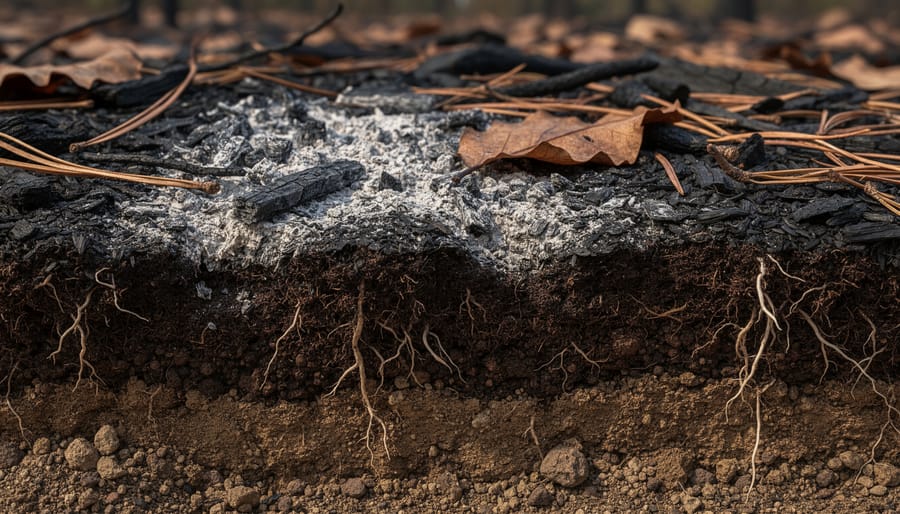
Below ground, intense fires trigger changes that take decades to reverse. Crown fires generate enough heat to sterilize topsoil, killing beneficial bacteria and fungi that support plant growth. Mycorrhizal networks, the underground partnerships between tree roots and fungi that facilitate nutrient exchange, collapse when temperatures exceed critical thresholds. Without these networks, forest regeneration slows. In peatlands, fires burn through layers of carbon-rich organic soil accumulated over centuries, releasing massive CO2 pulses and leaving landscapes vulnerable to erosion. Fire also alters groundwater chemistry: ash introduces phosphorus and nitrogen spikes that disrupt aquatic ecosystems downstream, while heat accelerates organic matter decomposition in soil horizons.
Recovery requires both green energy transitions to reduce climate pressures and community stewardship to rebuild damaged ecosystems. Understanding the full scope of wildfire impacts, above and below the surface, helps us design better responses for the seasons ahead.
What We Can Do: Community Action and Long-Term Solutions
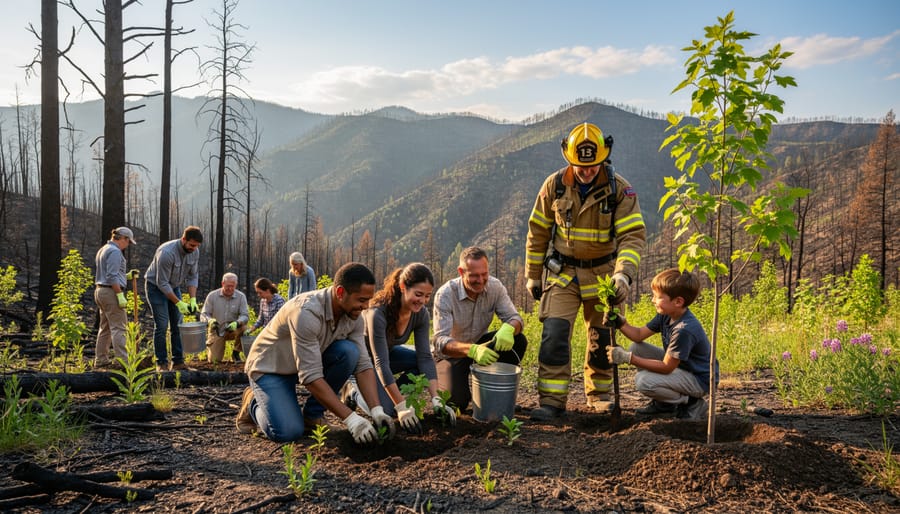
Ontario’s 2026 wildfire season proves we’re stronger when we act together. While fire activity is beginning to ease across northwestern Ontario, the work of building resilient communities and protecting our underground ecosystems continues. You can start today by preparing your household: assemble an evacuation kit with essentials, create a family communication plan, and monitor air quality reports through Environment Canada’s Air Quality Health Index during smoke events. Check your property for fire risks, clear dry vegetation from structures, create defensible space, and ensure roof vents are screened against embers.
Community-level action multiplies individual efforts. FireSmart Canada programs teach neighbourhoods to assess wildfire vulnerability and implement collective protection strategies. Volunteer fire departments in rural Ontario need trained members, fundraising support, and equipment donations. Indigenous fire stewardship offers proven models for using controlled burns to reduce fuel loads while maintaining forest health. These traditional practices, refined over millennia, complement modern suppression techniques and deserve recognition in provincial forest management policy.
How bad are the 2026 Ontario wildfires?
As of mid-July, 148 wildfires were active in northwestern Ontario with 69 uncontrolled, sending smoke across Ontario, Quebec, and the U.S. Midwest and Northeast. Fire activity is now beginning to ease, offering cautious optimism as the season progresses.
What can individuals do to reduce fire risk?
Prepare an evacuation kit, monitor air quality during smoke events, clear dry vegetation from around your home, and participate in FireSmart programs. Individual preparedness combined with community action creates the most effective defense.
How do communities recover after major fires?
Recovery involves restoring infrastructure, supporting displaced residents, and rehabilitating damaged ecosystems including soil and underground water systems. Indigenous knowledge and sustainable forestry practices accelerate both human and environmental healing.
What role does green technology play in fire management?
Satellite-based early detection systems, AI-powered fire behavior modeling, and drone surveillance improve response times. Underground ecosystem monitoring technology helps track soil recovery and guides reforestation efforts after burns.
Systemic solutions demand broader commitment. Climate mitigation, transitioning to renewable energy, protecting carbon-storing forests and peatlands, addresses the root cause of intensifying fire seasons. Green technology innovations like satellite-based early detection systems and AI fire behavior models improve response times. SubterraPulse readers can contribute by supporting research into underground ecosystem recovery, sharing observations of post-fire soil conditions in your region, and joining conversations about sustainable forest management. Your voice matters in shaping policies that balance fire suppression with ecological health. Together, we’re not just responding to this fire season, we’re building the knowledge and infrastructure to protect Ontario’s forests and underground environments for generations ahead.
How Ontario S 2026 Wildfires Is Used
While “used” traditionally implies deliberate application, Ontario’s 2026 wildfire season offers crucial lessons and practical data applications that serve communities, researchers, and policymakers. Fire monitoring agencies use real-time wildfire data, like the 148 active fires tracked across northwestern Ontario as of mid-July, to refine predictive models that forecast fire behavior under climate-changed conditions. These enhanced models help emergency managers allocate suppression resources more effectively and issue earlier evacuation orders, as demonstrated when Lynn Lake’s 600 residents were successfully evacuated on May 27 before a 17,000-acre blaze threatened the community.
Climate scientists use wildfire seasons as natural experiments to study how temperature, drought, and vegetation stress combine to intensify fire behavior. The 2026 season’s data on smoke plume dispersion over Ontario, Quebec, and the U.S. Midwest informs air quality forecasting systems that protect vulnerable populations across international borders. Public health agencies use these patterns to issue targeted advisories and position medical resources in advance of smoke events.
Environmental researchers also use post-fire landscapes to measure underground impacts, tracking soil carbon loss, mycorrhizal network recovery, and changes in groundwater chemistry. This underground data becomes essential for designing restoration strategies that rebuild forest ecosystems from the ground up, connecting immediate fire response to long-term sustainability goals.
The 2026 Ontario wildfire season illustrates how climate change transforms natural fire cycles into sustained regional emergencies. With 148 active fires and 69 remaining uncontrolled as of mid-July, northwestern Ontario experienced one of the most challenging seasons on record. The smoke that blanketed Ontario, Quebec, and parts of the U.S. served as a visible reminder that wildfires cross borders and affect millions far from the flames. Yet as Canadian officials note that fire activity is beginning to ease, we’re reminded that each fire season offers lessons we can’t afford to ignore.
The path forward requires both immediate action and fundamental shifts in how we approach fire management. Above-ground flames leave lasting marks on below-ground ecosystems, altering soil health, groundwater chemistry, and the mycorrhizal networks that sustain forest recovery for decades. Protecting these underground environments means investing in climate mitigation, supporting Indigenous fire stewardship practices that have maintained healthy ecosystems for millennia, and embracing green technology for early detection and rapid response.
You can make a difference. Join community FireSmart programs, stay informed about air quality during fire season, and advocate for sustainable forestry policies. Share your experiences with wildfire preparedness, support research into ecosystem recovery, and engage with Indigenous-led conservation initiatives. Ontario’s forests face unprecedented challenges, but combining traditional knowledge with innovative solutions and collective action offers genuine hope for resilience. The underground world we often overlook holds the key to regeneration, if we commit to protecting it now.








+ There are no comments
Add yours