
Digital community engagement connects exploration enthusiasts with underground environments, sustainable technologies, and environmental science through online platforms where knowledge-sharing, collaboration, and advocacy thrive. For those passionate about Canada’s subterranean landscapes, green innovations, and the science beneath our feet, these digital spaces offer something traditional forums never could: real-time collaboration across vast geographic distances, expert insights from professionals actively working in tunneling and renewable energy sectors, and the collective power to influence environmental policy.
The transformation has been remarkable. What began as scattered email lists and niche bulletin boards has evolved into sophisticated networks where geologists share real-time data from underground surveys, urban explorers document historical tunnel systems with immersive media, and sustainability advocates coordinate campaigns to protect vulnerable cave ecosystems. In 2026, these communities represent more than casual interest groups. They’re living archives of underground knowledge, incubators for green technology solutions, and catalysts for meaningful environmental action.
Participating effectively requires understanding both the tools and the culture. The most vibrant communities blend structured knowledge repositories with spontaneous discussion, creating environments where a university researcher and a curious amateur can exchange insights about geothermal potential in Canadian Shield formations or the latest innovations in tunnel ventilation systems. Members who contribute observations from field visits, share technical resources, or help translate complex environmental data into accessible formats become invaluable nodes in these networks.
The benefits extend beyond individual learning. Digital engagement amplifies voices calling for sustainable development practices, creates mentorship pathways for emerging professionals, and builds the informed public necessary for sound environmental decision-making. Yet challenges persist: maintaining signal amid noise, ensuring scientific accuracy without stifling curiosity, and bridging the gap between online enthusiasm and boots-on-the-ground conservation work.
What Digital Community Engagement Means for Underground Exploration
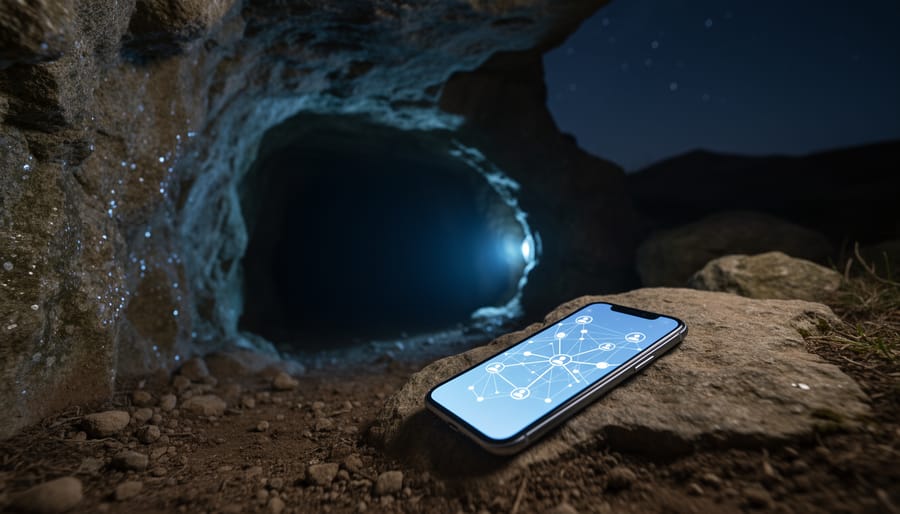
Digital community engagement in underground exploration goes beyond simply liking posts or leaving comments. It means actively contributing to conversations about underground spaces sharing expertise about green technologies, and collaborating on environmental stewardship initiatives through digital platforms. For exploration enthusiasts, this creates opportunities to influence real-world projects, preserve historical knowledge, and advance sustainable practices without geographical constraints.
Understanding the specific ways digital engagement manifests in this field helps clarify its unique value:
- Citizen Science Participation
- Direct involvement in data collection, environmental monitoring, or research projects where community members contribute observations and findings through shared digital platforms.
- Knowledge Curation
- Organizing, documenting, and archiving information about historical tunnels, mining operations, or geothermal sites to create accessible digital repositories that preserve collective expertise.
- Collaborative Problem-Solving
- Working together across distances to address technical challenges, environmental concerns, or conservation strategies through forums, shared documents, and virtual meetings.
- Advocacy Amplification
- Using digital channels to collectively promote sustainable tunneling practices, renewable energy adoption, and responsible exploration policies that reach broader audiences and decision-makers.
These platforms transform isolated enthusiasts into connected networks where a geologist in Halifax can collaborate with a renewable energy specialist in Vancouver on geothermal potential beneath Canadian cities. A student researching historical infrastructure gains access to decades of documented experiences from tunnel explorers nationwide. Someone passionate about environmental conservation finds allies working on mine reclamation projects across different provinces.
The shift matters because underground exploration traditionally required physical presence at remote or restricted sites. Digital engagement democratizes access to knowledge, enables continuous learning regardless of mobility limitations, and creates pathways for meaningful contribution that fit diverse schedules and capabilities. Whether analyzing shared sensor data from monitoring projects or participating in discussions about balancing exploration with ecosystem protection, community members shape conversations that influence how Canada approaches its subterranean environments.
The Evolution of Online Communities in Canada’s Underground Exploration Scene
From Bulletin Boards to Interactive Platforms
In the mid-1990s, Canadian underground exploration enthusiasts connected through text-based bulletin board systems and email listservs, painstakingly uploading grainy photos one at a time over dial-up connections. These early digital gathering spots required patience, a single image from a mine exploration could take minutes to load, but they created something unprecedented: a permanent record of discoveries that anyone could access, unlike the ephemeral nature of in-person meetups.
The shift to web forums in the early 2000s transformed how knowledge spread. Enthusiasts could organize threads by topic, search archived discussions about specific tunnel systems, and embed multiple images directly into posts. A researcher in Halifax could share findings about abandoned railway tunnels while simultaneously learning about geothermal drilling techniques from someone in Calgary, all within the same platform.
Today’s interactive platforms have collapsed the barriers that once made sharing difficult. Real-time collaboration tools let teams coordinate site visits, overlay historical maps with modern GPS data, and livestream explorations to members who cannot physically attend. Photo-sharing has evolved from single compressed JPEGs to high-resolution galleries with geolocation tags. The descendants of those tunneling pioneers now use mobile apps to upload 360-degree videos from active dig sites, annotate them with technical observations, and receive expert feedback within hours rather than waiting weeks for the next newsletter.
The Rise of Specialized Communities
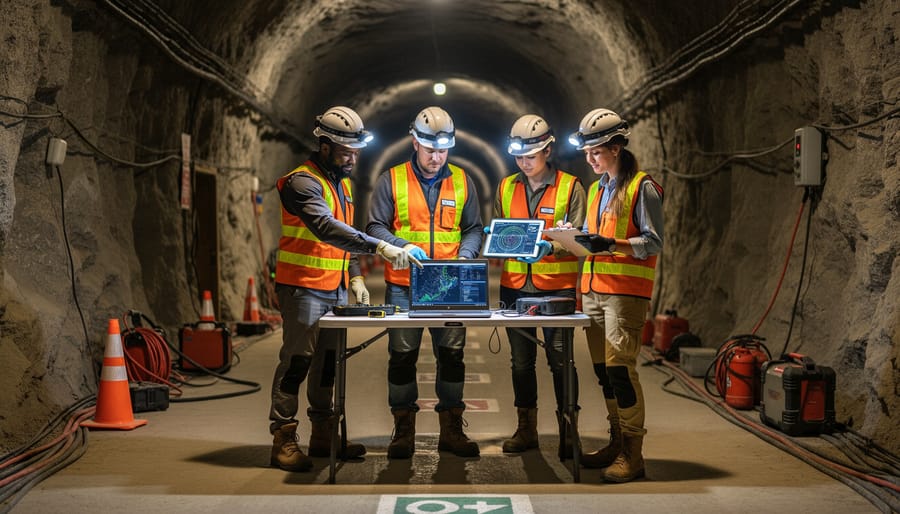
Canada’s underground exploration community has witnessed a remarkable proliferation of specialized digital spaces, each dedicated to distinct aspects of subterranean environments. Geothermal energy enthusiasts now gather in forums specifically discussing heat extraction technologies and sustainable underground thermal systems, sharing technical insights that would have remained isolated just a decade ago. Meanwhile, mine reclamation advocates have created vibrant networks focused on transforming abandoned mining sites into eco-friendly spaces, exchanging remediation techniques and success stories from coast to coast.
Historical tunnel preservation groups have carved out their own digital territories, where archivists and history buffs collaborate to document and protect Canada’s underground heritage, from Montreal’s forgotten passages to Vancouver’s hydroelectric tunnels. These niche communities thrive because they address the specific passions of their members rather than diluting expertise across broader topics.
What makes these specialized spaces particularly valuable is their depth. A member seeking guidance on limestone cave conservation doesn’t wade through unrelated content; they connect directly with others navigating similar challenges. This focused approach has transformed how knowledge circulates, creating expert networks that advance both understanding and practical application of sustainable underground practices across incredibly diverse Canadian landscapes.
Ways to Engage Digitally with Underground Exploration Communities

Contributing to Collaborative Research Projects
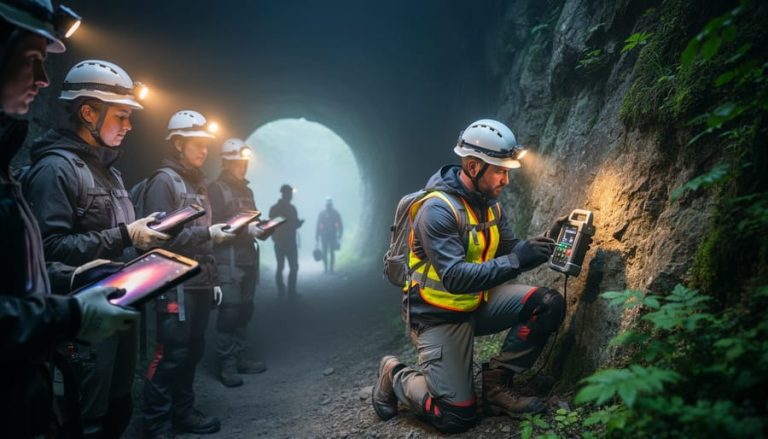
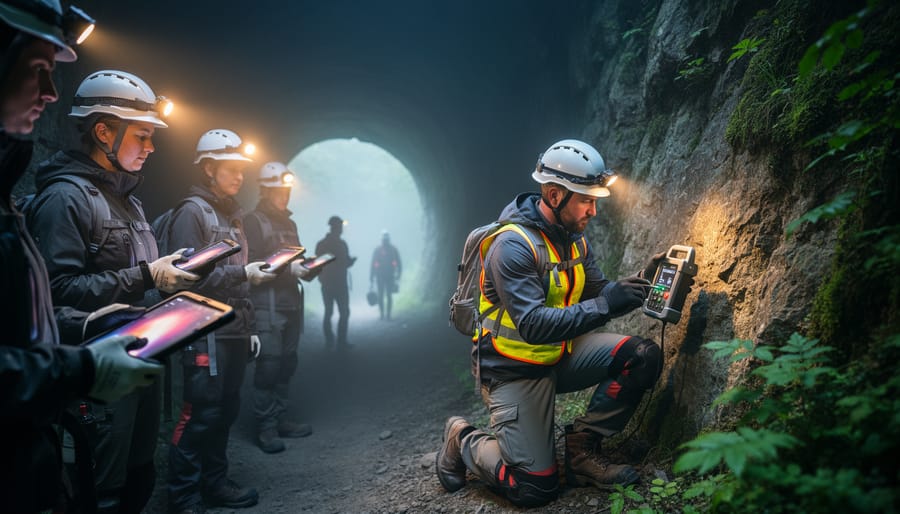
Citizen science has opened remarkable doors for exploration enthusiasts to contribute meaningful data from Canada’s underground environments. Digital platforms now let you upload geological observations, water quality measurements, or temperature readings from tunnel systems directly to shared databases that researchers actually use. You don’t need a PhD, just curiosity and a commitment to careful documentation.
Many projects welcome participants who can photograph rock formations, catalog historical infrastructure, or track seasonal changes in underground ecosystems. Your smartphone becomes a research tool when you submit geo-tagged images to collaborative mapping initiatives or record ventilation patterns in abandoned mines. These contributions help scientists understand everything from groundwater movement to the structural integrity of aging tunnel networks.
Environmental monitoring projects particularly benefit from distributed participation. If you regularly visit underground sites, you can track air quality indicators, note wildlife activity, or measure humidity levels over time. Digital platforms make submitting this data simple through standardized forms and automated uploads, ensuring consistency across contributions from Halifax to Vancouver.
The real power emerges when your observations combine with hundreds of others. A single measurement might seem insignificant, but aggregated data reveals patterns that inform conservation strategies and sustainable development policies. You’re not just exploring, you’re building the knowledge base that shapes how we understand and protect Canada’s subterranean spaces for future generations.
Sharing Stories and Building Knowledge Archives
Personal stories form the backbone of any vibrant underground exploration community. When you document a visit to an abandoned tunnel, share photos from a geothermal site tour, or recount a conversation with a retired miner, you’re creating permanent resources others can learn from. These firsthand accounts add context that technical reports often miss, the smell of mineral deposits, the unexpected beauty of Victorian brickwork, or the ingenious solutions engineers devised decades ago.
Digital platforms make it simple to contribute. A detailed blog post about exploring Calgary’s Plus 15 system becomes searchable reference material. Photos uploaded with proper metadata help researchers track changes in underground infrastructure over time. Even casual forum posts answering questions create knowledge threads that newcomers discover years later.
The cumulative effect transforms scattered individual experiences into comprehensive archives. Someone researching Ottawa’s tunnel history can piece together accounts from multiple community members spanning different decades. A student studying sustainable mining practices in northern Ontario finds real-world observations that textbooks don’t capture. Your contribution today might solve someone’s puzzle tomorrow, creating connections across time and geography that strengthen our collective understanding of Canada’s underground spaces.
Virtual Events and Educational Opportunities
Online workshops and webinars have opened underground exploration to anyone with an internet connection. Canadian communities regularly host virtual sessions where geothermal engineers explain heat exchange systems, mine reclamation experts walk through restoration processes, and tunnel historians share archival discoveries. Virtual field trips use 360-degree cameras and live streaming to bring participants into active geothermal installations, historical railway tunnels, and research sites they’d never access otherwise. Monthly webinar series often feature Q&A segments where newcomers can ask questions directly to specialists working on renewable energy projects or environmental monitoring initiatives. These digital events run year-round regardless of weather, making continuous learning possible even during harsh winters when physical site visits become impractical or dangerous.
Building Connections Across Canada’s Diverse Underground Landscapes
Canada’s underground landscapes are as varied as the nation itself, and digital platforms have become the bridges connecting enthusiasts across these diverse terrains. A potash miner in Saskatchewan can now share ventilation strategies with tunnel preservationists in Montreal, while a geothermal researcher in British Columbia exchanges data with mine reclamation specialists in Northern Ontario. These connections, impossible a generation ago, happen daily through specialized forums, collaborative mapping projects, and shared digital repositories.
The geographical span of Canada once meant isolation for those passionate about subterranean environments. Someone documenting abandoned railway tunnels in the Rockies had little chance of connecting with peers exploring similar structures in the Maritimes. Digital engagement has collapsed those distances. Online communities now host members from coast to coast, each bringing knowledge shaped by their region’s unique geology, industrial history, and environmental challenges.
This connectivity reveals patterns and solutions that transcend regional boundaries. A discussion about groundwater management in Manitoba’s mining districts might spark insights for someone tackling similar issues in Nova Scotia’s historical coal tunnels. Seasonal variations in temperature regulation used in Quebec’s underground infrastructure could inform geothermal projects being developed in Alberta. The exchange works both ways: prairie expertise in deep excavation influences how Ontario approaches urban tunnel projects, while coastal communities share innovative approaches to managing moisture that prove valuable inland.
Digital tools like shared photo archives, interactive maps, and real-time discussion threads let enthusiasts compare their local underground features with sites thousands of kilometres away. This visual and experiential exchange builds a collective understanding that honours regional specificity while recognizing shared challenges and opportunities across Canada’s subterranean frontier.
Leveraging Digital Platforms for Sustainable Technology Advocacy
Crowdsourcing Solutions to Environmental Challenges
Digital communities have become powerful incubators for sustainable underground solutions, with members pooling diverse expertise to tackle real environmental challenges. When a geothermal drilling project in Alberta faced unexpected groundwater concerns, online forum participants, including hydrogeologists, engineers, and local environmental advocates, collaborated to refine monitoring protocols that protected aquifer integrity while allowing the project to proceed responsibly.
These collective problem-solving efforts extend beyond troubleshooting. Community members share field-tested techniques for reducing energy consumption in tunnel ventilation systems, document successful mine reclamation approaches using native vegetation, and compare data on renewable energy sources best suited for specific underground applications. A recent crowdsourced database tracks carbon sequestration potential across abandoned mine sites, with contributors from across Canada adding geological data and environmental assessments.
The real strength lies in rapid iteration. When someone proposes a new method for managing runoff in underground construction, dozens of practitioners can offer feedback within hours, identifying potential issues and suggesting improvements before implementation. This collective intelligence accelerates innovation while reducing environmental risks, transforming scattered individual knowledge into actionable best practices that benefit the entire underground exploration community.
Amplifying Voices for Policy and Innovation
When underground exploration communities unite online, they create a powerful collective voice that reaches far beyond individual enthusiasm. Digital platforms transform scattered insights into coordinated advocacy, turning passionate discussions into proposals that catch the attention of policymakers, industry leaders, and funding bodies. Community members who document successful renewable energy installations in abandoned mines or share data from environmental monitoring projects contribute evidence that strengthens the case for sustainable practices.
This collective knowledge-sharing proves particularly valuable when communities advocate for policy changes. A forum discussion about reducing methane emissions in old mine shafts can evolve into a detailed submission to environmental agencies. Online petitions backed by technical documentation from community experts carry more weight than isolated complaints. Through resource advocacy digital communities demonstrate that environmental stewardship and economic development can coexist in underground spaces.
The impact extends to innovation adoption as well. When community members showcase real-world applications of green tunneling technologies or share cost-benefit analyses of geothermal systems, they provide decision-makers with practical evidence. Industry professionals monitoring these conversations often incorporate community feedback into project planning, creating a feedback loop that accelerates sustainable technology adoption across Canada’s underground sectors.
Overcoming Challenges in Digital Community Engagement
Digital engagement has opened remarkable doors for underground exploration communities, yet it comes with hurdles that require honest acknowledgment and practical solutions. The digital divide remains real: not everyone in Canada has reliable high-speed internet, particularly in remote areas where some of the most interesting geological formations and historical mining sites exist. Community organizers can address this by offering offline participation options, such as email digests summarizing discussions or downloadable resource packages that members can access when connectivity allows. Recording virtual events for later viewing ensures that participants aren’t excluded simply because they couldn’t join a live session.
Maintaining quality conversations presents another challenge. As communities grow, discussions can drift toward repetition or become cluttered with off-topic content. Experienced moderators who understand both underground exploration and community dynamics make a difference here. Clear guidelines about what types of content fit where, combined with gentle redirection rather than heavy-handed enforcement, keep exchanges valuable without stifling enthusiasm. Encouraging members to search existing threads before posting new questions also reduces redundancy while helping newcomers discover the wealth of knowledge already shared.
Pros
- Digital platforms connect geographically dispersed enthusiasts across Canada’s vast landscape.
- Online archives preserve specialized knowledge about historical tunnels and sustainable practices.
- Virtual participation removes physical barriers for those unable to visit underground sites.
- Collective problem-solving generates innovative approaches to environmental challenges.
Cons
- Internet access limitations exclude rural and remote community members from real-time participation.
- Misinformation can spread quickly without proper verification processes.
- Screen-based interaction lacks the visceral impact of in-person underground experiences.
- Time zone differences across Canada complicate scheduling live events that work for everyone.
Information accuracy becomes critical when discussing safety protocols for tunnel exploration or technical specifications for geothermal systems. Communities benefit from establishing trusted contributors with verified expertise while remaining open to newcomers. Encouraging members to cite sources, share photos documenting their claims, and acknowledge uncertainty when appropriate builds a culture of reliability. Creating dedicated spaces for speculation versus fact-based discussion also helps, letting imagination flourish without compromising the integrity of educational content.
Fostering genuine inclusivity means recognizing that underground exploration expertise comes in many forms. The grandmother who remembers stories about her father’s mining work holds valuable historical knowledge, even if she’s never posted in a forum before. Welcoming diverse perspectives, actively inviting quieter members to contribute, and celebrating different types of participation all strengthen community fabric.
Best Practices for Meaningful Digital Participation
Meaningful digital participation starts with showing up consistently and listening before jumping in. Spend time understanding a community’s norms, recurring topics, and conversation style before posting extensively. This groundwork helps you contribute in ways that resonate with existing members and add genuine value to ongoing discussions.
When sharing your experiences from underground sites, balance enthusiasm with responsibility. Include relevant context like location details (when appropriate), safety considerations, and environmental observations. Photos and videos bring explorations to life, but always respect site sensitivity and privacy concerns. Clear, descriptive captions help others learn from what you’ve documented, turning personal adventures into collective knowledge.
Ask thoughtful questions that invite deeper conversation rather than yes-or-no responses. Instead of “Is this tunnel interesting?”, try “What historical purpose might this brick pattern have served?” This approach sparks richer exchanges and demonstrates respect for the community’s expertise. Similarly, when answering questions, cite your sources or clarify when you’re offering informed speculation versus confirmed facts.
For community organizers, establish clear guidelines that promote respectful dialogue while encouraging diverse perspectives. Moderate with a light touch focused on maintaining constructive conversations rather than controlling every exchange. Recognize and celebrate member contributions publicly, whether someone shares rare archival photos, translates technical research, or simply asks questions that inspire great discussions.
Create opportunities for different engagement levels. Not everyone can contribute weekly essays, but they might share a quick observation, vote in a poll about future topics, or help identify unknown locations in historical photos. These varied entry points make community engagement accessible to people with different time commitments and expertise levels.
Maintain transparency about how decisions get made, especially regarding partnerships, site access protocols, or content policies. When conflicts arise, address them directly and fairly rather than letting tensions simmer. Remember that behind every username is someone who cares enough about underground exploration to show up digitally.
Finally, bridge online interactions with real-world impact. Connect digital discussions to tangible outcomes like documented research, conservation initiatives, or educational programs. This connection reinforces why meaningful participation matters beyond the screen.
The Future of Digital Engagement in Underground Exploration
The landscape of digital engagement stands poised for transformation as emerging technologies reshape how underground exploration communities connect and collaborate. While we can’t predict exactly what 2026 will bring, current trajectories suggest several developments worth watching.
Virtual reality promises to bridge the gap between armchair enthusiasts and remote underground sites. Imagine donning a headset to virtually walk through a reclaimed mine shaft in Sudbury or experience a geothermal facility beneath Vancouver, all while connected with fellow community members who might be thousands of kilometres away. These immersive experiences could democratize access to underground spaces that physical limitations, safety concerns, or geographical distance currently keep out of reach. Early experimental projects have already demonstrated the educational potential of 360-degree documentation of tunnel systems and subterranean environments.
Artificial intelligence tools are beginning to assist with pattern recognition in geological data, historical document analysis, and environmental monitoring. For community-driven research, this means enthusiasts could contribute observations that AI helps compile and interpret across multiple sites. A tunnel historian in Halifax might upload archival photos that machine learning algorithms help date and categorize, automatically connecting them to similar structures documented by someone in Calgary. The technology augments human expertise rather than replacing the crucial context and storytelling only people can provide.
Accessibility improvements will likely expand who can meaningfully participate in these communities. Real-time translation features, voice-to-text capabilities, and enhanced mobile experiences mean language barriers and physical limitations need not exclude passionate contributors. Communities that prioritize universal design principles from the start will build more diverse, resilient networks.
The most promising trajectory involves technologies that enhance rather than overshadow human connection. The goal remains bringing people together around shared curiosity about what lies beneath our feet and how we can protect and learn from these underground spaces for generations to come.
Digital community engagement has fundamentally changed how we connect with Canada’s underground environments. What once required extensive travel, specialized contacts, and years of relationship-building now happens through thoughtful keystrokes and shared screens. The enthusiasm you bring to these digital spaces matters just as much as any physical expedition.
The collaborative potential we’re witnessing today is genuinely exciting. When a mine reclamation specialist in Sudbury shares insights with a geothermal researcher in Vancouver, and both learn from a tunnel historian in Montreal, we’re not just exchanging information. We’re building a collective understanding that strengthens every underground project, every conservation effort, and every innovation in sustainable technology across the country.
Your participation shapes these communities. Whether you’re contributing photographs from a recent site visit, asking questions that push conversations forward, or simply reading and learning, you’re part of something larger. These digital networks thrive because people like you choose to engage authentically and consistently.
As you explore online platforms focused on Canada’s subterranean landscapes, remember that meaningful engagement goes beyond quick comments and likes. Take time to understand the environmental context of discussions. Challenge yourself to contribute knowledge that helps others. Listen to perspectives from different regions and disciplines. The underground environments we celebrate deserve our thoughtful stewardship, both physically and digitally.
The communities waiting for your voice are already active, growing, and making real impacts on how we understand and protect Canada’s underground heritage. Your next contribution could spark the collaboration that leads to breakthrough conservation strategies or innovative green technologies. Start engaging today.