
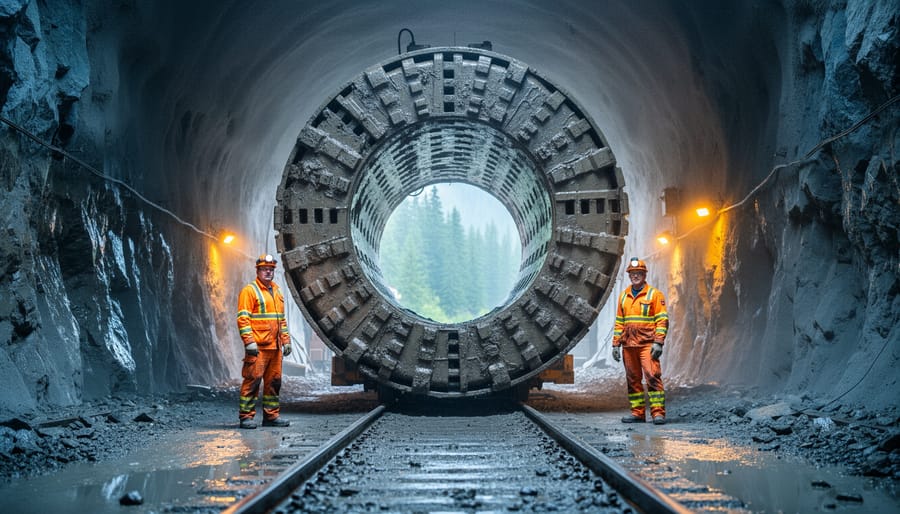

Beneath our feet lies a world carved by human ambition—a hidden network of passages that has shaped civilizations for over 4,000 years. From ancient Babylonian water tunnels to modern subways moving millions daily, tunneling stands as one of humanity’s most transformative engineering achievements, and Canada has written remarkable chapters in this underground story.
The journey began with necessity. Early civilizations dug tunnels by hand to access water, precious minerals, and strategic military advantages. Fire-setting—heating rock faces and dousing them with cold water to cause cracks—represented the cutting edge of technology for millennia. The introduction of gunpowder blasting in the 1600s revolutionized the field, but it was the 19th century’s industrial boom that truly unleashed tunneling’s potential. Steam-powered drills, ventilation systems, and the shield tunneling method transformed what crews could accomplish beneath mountains and rivers.
Canadian tunnelers earned their place in this heritage through projects that defied geography itself. The Spiral Tunnels through British Columbia’s Kicking Horse Pass, completed in 1909, demonstrated engineering creativity that still inspires today. Montreal’s metro system, pioneered with innovative rubber-tired technology, showed how underground infrastructure could redefine urban life while minimizing surface disruption.
Today’s tunneling renaissance connects this rich past with sustainable futures. Modern tunnel boring machines minimize environmental impact while creating space for renewable energy storage, efficient transit systems, and climate-resilient infrastructure—proving that what we build below ground shapes the world we inhabit above.
The Dawn of Canadian Tunneling: Railways and Confederation
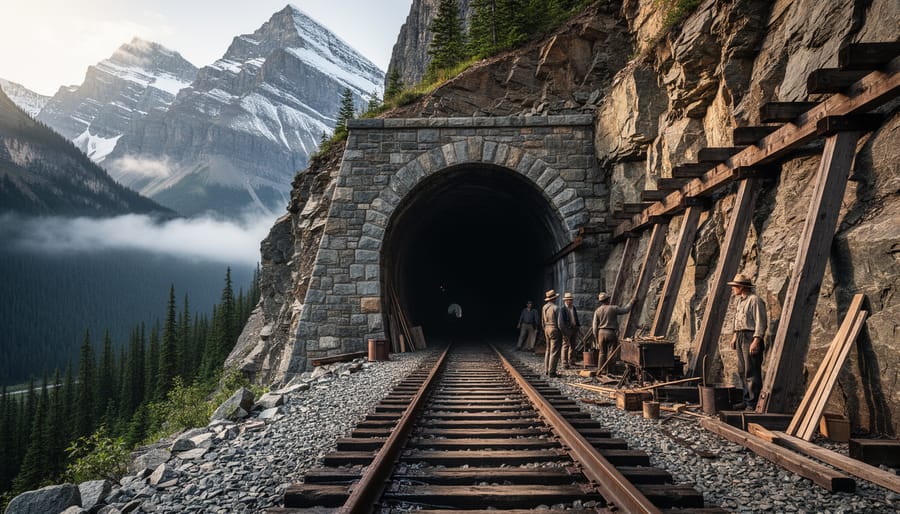
The Rogers Pass and Spiral Tunnels
Navigating the treacherous slopes of British Columbia’s Selkirk Mountains presented Canadian Pacific Railway engineers with a formidable challenge in the early 1900s. The steep 4.5% grade through Rogers Pass proved not just difficult but downright dangerous, causing runaway trains and tragic accidents that claimed lives and equipment. Something had to change.
The solution that emerged between 1907 and 1916 became a masterpiece of engineering creativity: the Spiral Tunnels. Rather than attacking the mountain head-on, engineers designed two massive figure-eight loops bored directly through Cathedral Mountain and Mount Ogden near Field, British Columbia. These tunnels allowed trains to gain elevation gradually by literally spiraling upward through the mountain’s interior, reducing the grade to a manageable 2.2%.
Picture this: a train enters the lower tunnel portal, circles completely inside the mountain, and emerges higher up the slope, sometimes crossing directly over its own track. Passengers could look out their windows and see their own train’s caboose below them. This ingenious design extended the route by nearly five kilometers but transformed an impossibly steep climb into a safe, workable passage.
The Spiral Tunnels weren’t just an engineering triumph; they represented a fundamental shift in how Canadians approached mountain obstacles. Instead of forcing nature to bend, these tunnels worked with the landscape’s contours. Today, they remain fully operational and stand as beloved symbols of Canadian ingenuity, reminding us that creative thinking can turn seemingly insurmountable challenges into lasting solutions.
Early Challenges: Rock, Water, and Human Cost
The 19th century’s tunneling pioneers faced challenges we can barely imagine today. Workers descended into dark, cramped spaces armed with hand tools, gunpowder, and remarkable courage. Rock faces resisted drilling, groundwater flooded workspaces, and toxic gases accumulated in poorly ventilated passages. These weren’t just engineering problems—they were matters of life and death.
Consider the workers who carved through the Canadian Shield or burrowed beneath major waterways. Many were recent immigrants seeking better lives, drawn by promises of steady wages. They worked twelve-hour shifts by flickering candlelight, breathing dust-laden air while wielding picks and shovels until their hands bled. Cave-ins, explosions, and drowning claimed lives regularly, yet these tragedies rarely made headlines. Communities formed around tunnel projects, with families knowing that each workday carried risk.
The technological limitations were equally daunting. Before dynamite’s widespread adoption in the 1860s, black powder provided unpredictable results. Hand-cranked drills progressed at agonizing speeds through hard rock. Pumping water from flooded tunnels required endless human effort or unreliable steam engines. Engineers learned through trial and error, often at tremendous human cost.
Yet these struggles sparked innovation. Each challenge forced workers and engineers to collaborate, sharing knowledge across projects and borders. Their determination laid foundations not just for transportation networks, but for the safety standards and community-focused approaches we champion in modern infrastructure development. Understanding this difficult past helps us appreciate how far we’ve come—and reminds us why prioritizing worker safety and community well-being remains essential today.
Mid-Century Expansion: Hydroelectric Dreams Go Underground
The post-war era transformed Canada into an underground frontier of hydroelectric ambition. As the nation’s appetite for electricity surged through the 1950s and 1960s, engineers turned to massive tunneling projects that would reshape river systems and power industrial growth across the country. These weren’t just construction projects – they were bold reimaginings of how Canadians could harness nature’s power while communities debated the balance between progress and preservation.
Quebec’s James Bay Project stands as perhaps the most ambitious undertaking, where tunnel boring machines carved through the Canadian Shield to divert entire river systems. Meanwhile, Ontario’s Niagara tunnel developments and British Columbia’s Columbia River projects created vast underground networks that still generate clean electricity today. These projects employed thousands of workers, many of whom formed tight-knit communities around construction camps, sharing stories and expertise that would define a generation of Canadian engineering excellence.
| Project Location | Year Completed | Tunnel Length | Key Environmental Impact |
|---|---|---|---|
| Churchill Falls, Labrador | 1971 | 32 km total diversion | Flooded 6,988 km² creating reservoir |
| Kemano, British Columbia | 1954 | 16 km through mountain | Altered Nechako River flow patterns |
| Niagara Falls, Ontario | 1954 | 10.4 km bedrock tunnel | Preserved falls aesthetics while generating power |
The legacy of these projects remains complex and instructive. While they provided the clean energy foundation for modern Canadian prosperity, they also displaced Indigenous communities and dramatically altered ecosystems. Today’s engineers and environmental advocates study these mid-century projects not just as technical achievements, but as lessons in balancing energy needs with ecological stewardship. Communities affected by these developments continue engaging in conversations about sustainable resource management, ensuring that future underground projects incorporate diverse perspectives from the planning stage forward. This era proved that tunneling could deliver renewable energy at scale, while teaching us the essential value of environmental consideration and meaningful community consultation.
Urban Innovation: Building Cities Beneath Cities
The Montreal Underground Revolution
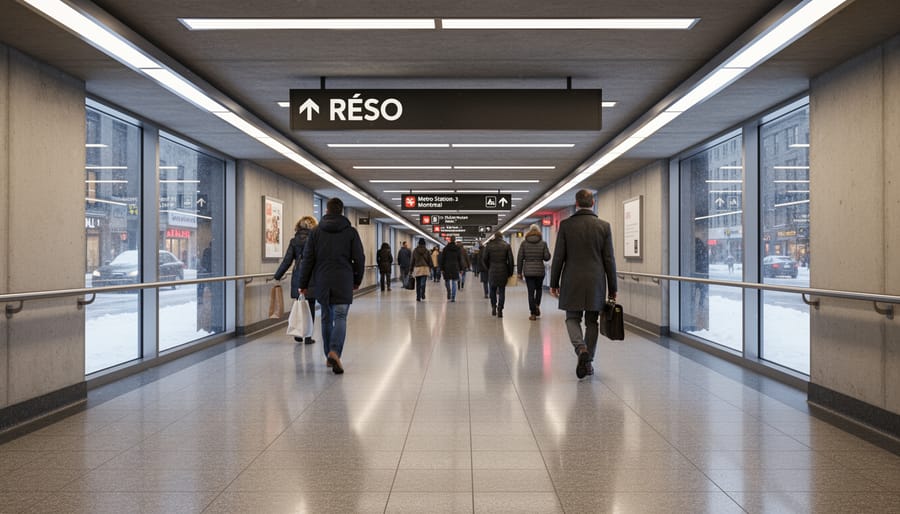
When winter temperatures plummet to minus thirty degrees Celsius, Montrealers don’t retreat indoors—they head underground. What began in 1962 as a practical solution to harsh Canadian winters has evolved into one of the world’s most ambitious subterranean urban planning achievements: the RÉSO, or Montreal’s Underground City.
The vision started with urban planner Vincent Ponte, who recognized that connecting the new metro system to buildings and public spaces could transform how people experienced the city year-round. The initial link between Place Ville-Marie and the metro station proved so successful that developers, city planners, and business owners embraced the concept wholeheartedly.
Today, this underground network spans over 33 kilometers, connecting 120 exterior access points, 10 metro stations, 2,000 shops, 200 restaurants, museums, universities, hotels, and even performance venues. More than 500,000 people navigate this climate-controlled labyrinth daily, making it not just a transportation corridor but a thriving community space where people work, shop, dine, and socialize.
What makes Montreal’s approach particularly innovative is how it prioritized sustainability before it became a global concern. By keeping people indoors during extreme weather, the RÉSO reduces energy consumption for heating and cooling individual buildings while decreasing vehicle emissions from short trips. The design also incorporated natural light through creative architectural solutions, creating welcoming spaces rather than dreary tunnels.
This underground revolution demonstrated that tunneling could serve broader social purposes beyond simple transportation, inspiring cities worldwide to reimagine their own subterranean possibilities while fostering genuine community connections beneath the surface.
Toronto’s PATH and Beyond
Beneath Toronto’s bustling downtown core lies a marvel of urban planning that transformed how Canadians think about winter cities. The PATH system, which began modestly in 1900 with a tunnel connecting two office buildings, has grown into the world’s largest underground pedestrian network, spanning over 30 kilometers and connecting subway stations, offices, shops, and cultural venues.
What makes PATH particularly inspiring is how it solved a uniquely Canadian challenge: creating vibrant, accessible urban spaces despite harsh winter conditions. Rather than retreating indoors for months each year, Torontonians can navigate their downtown comfortably year-round, reducing surface congestion and energy consumption from vehicle use.
This climate-conscious approach sparked similar developments across Canada. Montreal expanded its own underground city, Calgary built its Plus 15 elevated walkway system, and Edmonton developed its pedway network. These projects represent more than engineering achievements; they embody community-focused design that prioritizes pedestrian experience and environmental adaptation.
Today, urban planners worldwide study these Canadian innovations as models for sustainable city development. By reimagining how people move through urban spaces, these tunnel networks demonstrate that thoughtful infrastructure can enhance quality of life while addressing climate challenges, creating communities that thrive in harmony with their environment rather than despite it.
Modern Marvels: TBMs and the Technology Revolution
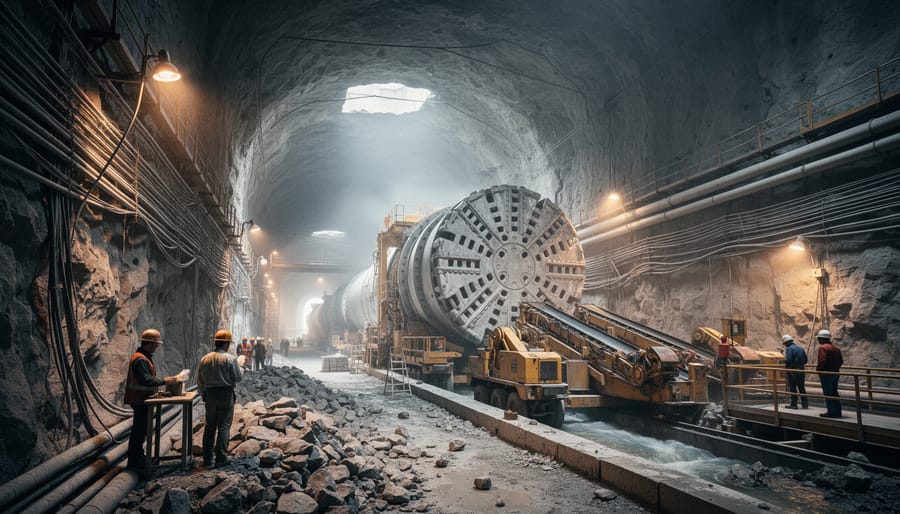
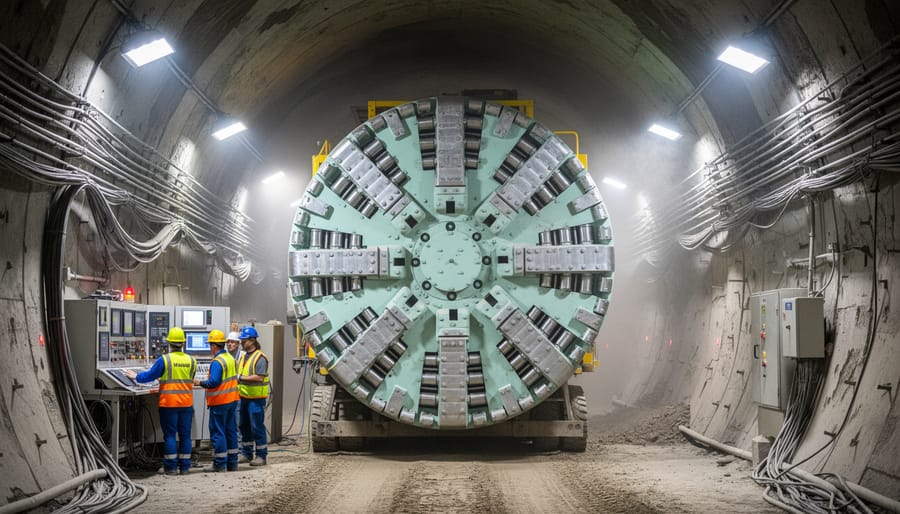
The late 20th and early 21st centuries ushered in a technological renaissance for Canadian tunneling, transforming what was once grueling manual labor into precision engineering guided by computers and advanced machinery. At the heart of this revolution stands the tunnel boring machine (TBM), a mechanical marvel that has reshaped how we think about underground construction.
These massive cylindrical machines, some measuring over 100 meters long and weighing thousands of tonnes, can excavate tunnels with remarkable speed and accuracy. Unlike the drill-and-blast methods of previous generations, TBMs carve through rock and soil continuously, installing support structures as they advance. The result? Safer working conditions, reduced environmental disturbance, and faster project completion times that benefit entire communities.
Toronto’s Eglinton Crosstown LRT stands as a testament to this technological leap forward. Four custom-designed TBMs navigated beneath one of Canada’s busiest urban corridors, boring 19 kilometers of twin tunnels while the city carried on above. Equipped with GPS guidance systems and real-time monitoring, these machines could adjust their path with millimeter precision, avoiding underground utilities and minimizing surface disruption for local businesses and residents.
Similarly, Vancouver’s Broadway Subway project showcases how modern tunneling technology respects both urban infrastructure and environmental considerations. Advanced computer modeling allows engineers to predict and mitigate potential impacts before excavation begins, from groundwater management to vibration control in sensitive areas.
The integration of digital technology extends beyond the machines themselves. Three-dimensional modeling software enables project teams to visualize entire tunnel networks before breaking ground, identifying challenges and optimizing designs for energy efficiency. Sensors embedded throughout tunnel systems provide continuous data on structural integrity, allowing for predictive maintenance that extends infrastructure lifespan while reducing resource consumption.
This marriage of mechanical innovation and digital precision hasn’t just made tunneling faster—it’s made it smarter, greener, and more responsive to community needs, setting the stage for Canada’s sustainable underground future.
Green Tunneling: Environmental Stewardship Goes Underground
Protecting Canada’s Unique Underground Ecosystems
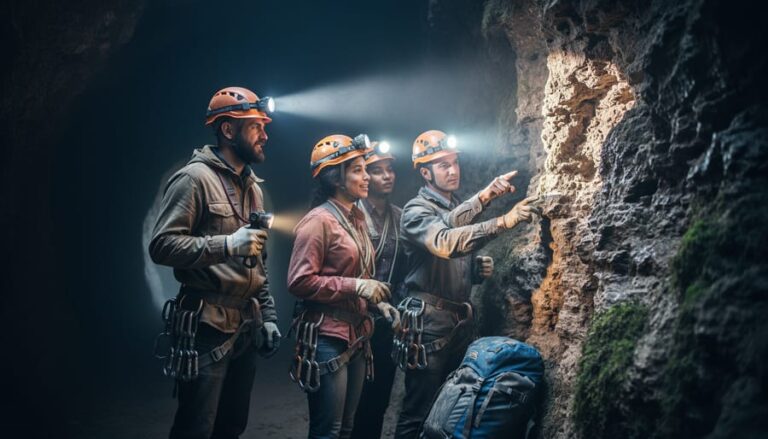
Beneath Canada’s vast landscapes lies a hidden world that modern tunnel engineers are learning to protect with increasing sophistication. Underground aquifers that supply drinking water to millions, fragile cave systems hosting unique ecosystems, and geological formations millions of years in the making all require careful consideration during excavation projects.
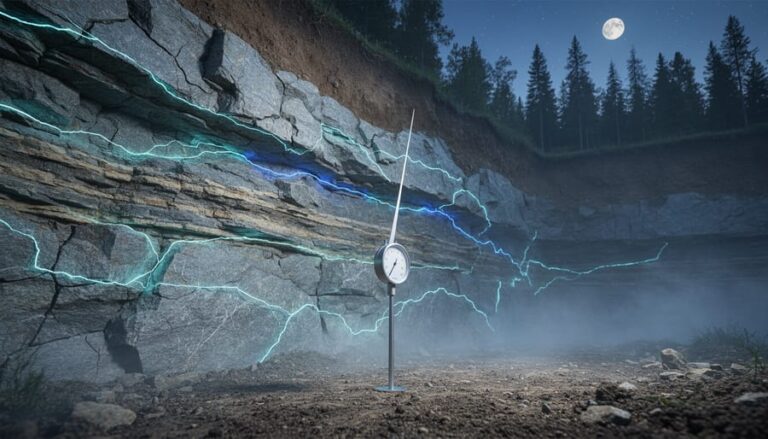
Today’s tunneling teams employ advanced ground-penetrating radar and environmental impact assessments before breaking ground. These technologies help identify sensitive areas like the karst formations found across Ontario and Quebec, where water has carved intricate underground networks over millennia. By mapping these features, engineers can adjust tunnel routes or implement specialized boring techniques that minimize disruption to natural water flows and preserve delicate mineral deposits.
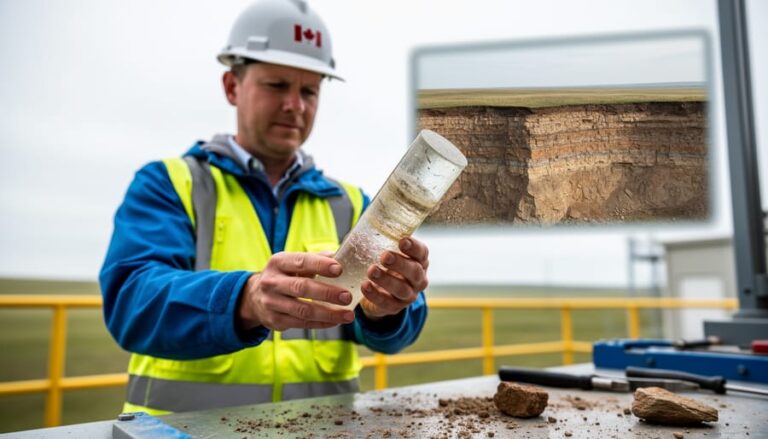
Canada’s subterranean biodiversity presents another fascinating challenge. While often overlooked, organisms like groundwater amphipods and unique bacterial communities play crucial roles in maintaining ecosystem health. Recent projects in British Columbia and Alberta have incorporated biological surveys into their planning phases, ensuring that construction doesn’t inadvertently harm these rare species.
What makes these efforts particularly inspiring is the growing involvement of local communities and Indigenous knowledge keepers in the planning process. Traditional ecological knowledge often reveals underground features that modern technology might miss, creating partnerships that benefit both projects and environmental preservation.
This collaborative approach represents a shift in how we view progress. Rather than seeing nature as an obstacle to overcome, contemporary tunnel builders recognize underground ecosystems as treasures worth protecting, proving that infrastructure development and environmental stewardship can advance hand in hand.
The Future Underground: What’s Next for Canadian Tunneling
Canada’s underground frontier is entering an exciting new chapter, where innovation meets environmental responsibility in ways that could transform how we live, work, and power our communities. The tunnels of tomorrow aren’t just about moving people or water—they’re becoming integral components of our climate solutions.
Across the country, engineers and environmental scientists are collaborating on projects that seemed like science fiction just decades ago. Underground carbon storage facilities are being developed to capture and safely sequester emissions deep beneath the Canadian Shield, potentially removing millions of tonnes of carbon from our atmosphere. Meanwhile, geothermal energy systems are tapping into the earth’s natural heat through elaborate tunnel networks, offering clean, renewable heating and cooling for entire neighborhoods without burning a single fossil fuel.
Several transformative projects are already moving from blueprints to reality:
- High-speed rail tunnels connecting major urban centers, reducing transportation emissions while preserving precious surface land
- Smart tunnel infrastructure equipped with sensors and AI systems that optimize energy use and predict maintenance needs before problems occur
- District geothermal networks in cities like Calgary and Edmonton, using tunnel systems to distribute sustainable heating across thousands of homes
- Underground hydrogen storage facilities that will support Canada’s transition to clean energy transportation
What makes this particularly exciting is the emphasis on community involvement. Many municipalities are hosting public consultations where residents can learn about proposed projects and contribute their perspectives. This collaborative approach ensures that new tunnel infrastructure serves everyone’s needs while protecting our environment.
The technology powering these advances continues to evolve rapidly. Modern tunnel boring machines now create smoother, more precise excavations with less environmental disruption. Digital modeling allows engineers to test designs virtually, minimizing risks and maximizing efficiency. These innovations mean safer construction, lower costs, and better outcomes for communities and ecosystems alike.
Join the Underground Movement: Community Engagement Opportunities
The story of tunneling isn’t just about the past—it’s being written right now, and you can be part of it. SubterraPulse invites you to join a growing community of sustainability advocates, engineering enthusiasts, and curious minds who are shaping the future of underground infrastructure across Canada.
Whether you’re passionate about green technology or simply fascinated by what lies beneath our feet, there are meaningful ways to get involved. Participate in our online discussions where members share insights about emerging tunneling projects, from Vancouver’s transit expansions to Montreal’s innovative underground developments. Connect with researchers exploring how Canadian tunnel systems can integrate renewable energy solutions and reduce our carbon footprint.
Local advocacy matters too. By engaging with municipal planning processes and attending public consultations about proposed tunneling projects in your community, you help ensure these massive infrastructure investments align with environmental priorities. Your voice can influence decisions about sustainable construction methods, energy-efficient designs, and ecological protection measures.
Join SubterraPulse today to access exclusive research updates, connect with fellow tunneling enthusiasts, and discover volunteer opportunities that bring together history lovers and forward-thinking changemakers. Together, we’re building an underground movement that honors our engineering heritage while pioneering a greener tomorrow.
Canada’s tunneling legacy stands as a testament to human ingenuity and our capacity to work in harmony with the earth beneath our feet. From the first railway tunnels carved through the Rockies to today’s sophisticated underground infrastructure designed with environmental consciousness, each project has built upon the lessons and courage of those who came before. These achievements aren’t just historical footnotes—they’re blueprints for addressing our most pressing environmental challenges.
As we face climate change and urban growth, the innovations pioneered by Canadian engineers offer real solutions. Geothermal systems, underground transit networks, and subterranean energy storage facilities all draw from this rich heritage while pushing toward a sustainable future. The spirit of those early tunnel builders—their determination, creativity, and respect for natural forces—continues to guide us.
Your connection to this legacy doesn’t end here. Whether you’re a professional in the field, a sustainability advocate, or simply curious about the ground beneath your feet, there’s a place for you in shaping what comes next. Join the SubterraPulse community to explore emerging underground environmental solutions, share insights, and contribute to conversations about how we can build a greener tomorrow, one tunnel at a time.






+ There are no comments
Add yours