
An engaged community transforms passive observers into active participants who shape outcomes, share knowledge, and build collective momentum around a common purpose. Unlike audiences that simply consume content, truly engaged communities contribute ideas, volunteer time, challenge assumptions, and hold each other accountable to shared values. The difference shows up in measurable ways: members initiate projects rather than wait for direction, conversations continue beyond official channels, and newcomers receive genuine mentorship from established participants.
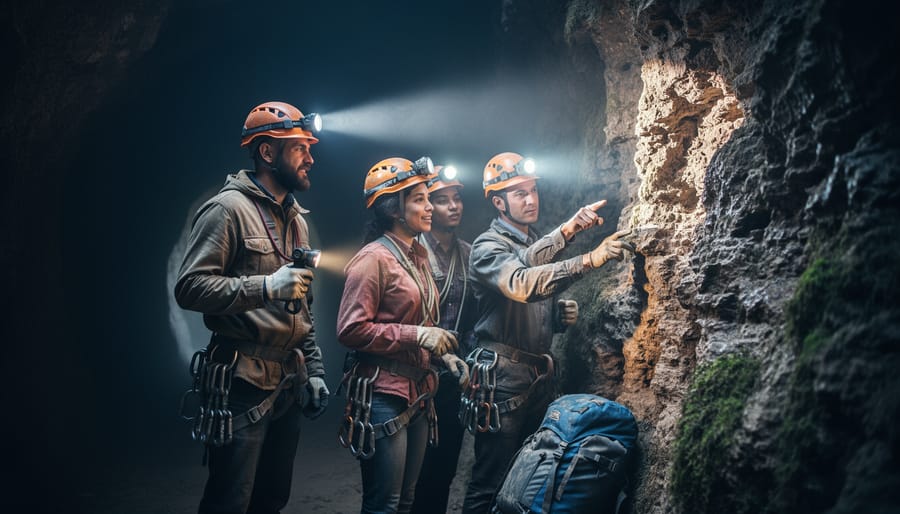
In the context of underground exploration and environmental stewardship across Canada, engagement means more than showing up for events or clicking “like” on social media posts. It means spelunkers documenting rare geological formations for scientific databases, engineers collaborating on green tunnel ventilation designs, and local historians connecting abandoned mine sites to the communities they once sustained. These actions create value that ripples outward, turning individual curiosity into collective expertise.
The benefits extend beyond warm feelings of belonging. Engaged communities solve problems faster because diverse perspectives surface creative solutions. They build institutional knowledge that survives leadership transitions. They attract funding and partnerships because demonstrated commitment signals sustainability. Most importantly, they create environments where both newcomers and veterans find meaningful ways to contribute, whether that’s leading a research expedition into Montreal’s forgotten aqueducts or maintaining trail access to Ontario’s historic silver mines.
Understanding what drives authentic engagement requires looking past surface metrics to identify the structures, incentives, and cultural norms that turn interest into sustained involvement.
The DNA of an Engaged Community
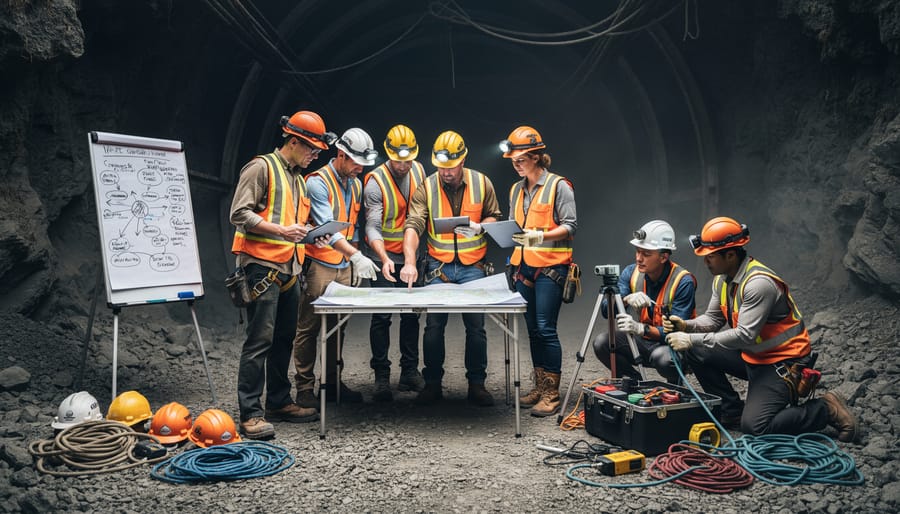
Truly engaged communities share a distinct set of characteristics that set them apart from passive audiences or casual interest groups. In the realm of underground exploration and sustainable technology, these defining traits create environments where knowledge flourishes and real impact takes root.
At the heart of any engaged community lies a shared purpose that extends beyond individual curiosity. For those passionate about Canada’s subterranean landscapes, this might mean preserving historical tunnel systems, advancing green infrastructure solutions, or documenting underground ecosystems. This common thread gives members something bigger than themselves to rally around, transforming scattered enthusiasts into a cohesive force.
Genuine engagement reveals itself through several core attributes:
- Active participation rather than passive consumption of information
- Regular knowledge exchange where members both teach and learn from one another
- Willingness to contribute time, expertise, or resources toward shared goals
- Open dialogue that welcomes diverse perspectives and constructive debate
- Collective problem-solving when challenges arise within the community’s focus area
The mutual learning aspect distinguishes engaged communities from expert-led lectures or top-down information sharing. A veteran urban explorer might share techniques for safely documenting abandoned infrastructure, while a newcomer brings fresh insights about emerging green technologies. This bidirectional flow creates an environment where everyone has value to offer, regardless of experience level.
The test of true engagement ultimately lies in collective impact. When exploration communities in Toronto successfully advocate for heritage designation of historic tunnels, or when Vancouver-based enthusiasts collaborate on research documenting underground temperature patterns for geothermal potential, that’s engagement translating into tangible outcomes. Members don’t just talk about underground environments and sustainability, they actively shape how these spaces are understood, protected, and utilized. The community becomes a catalyst for change rather than merely a gathering place for shared interests.
From Curiosity to Commitment: The Engagement Journey
The Discovery Phase
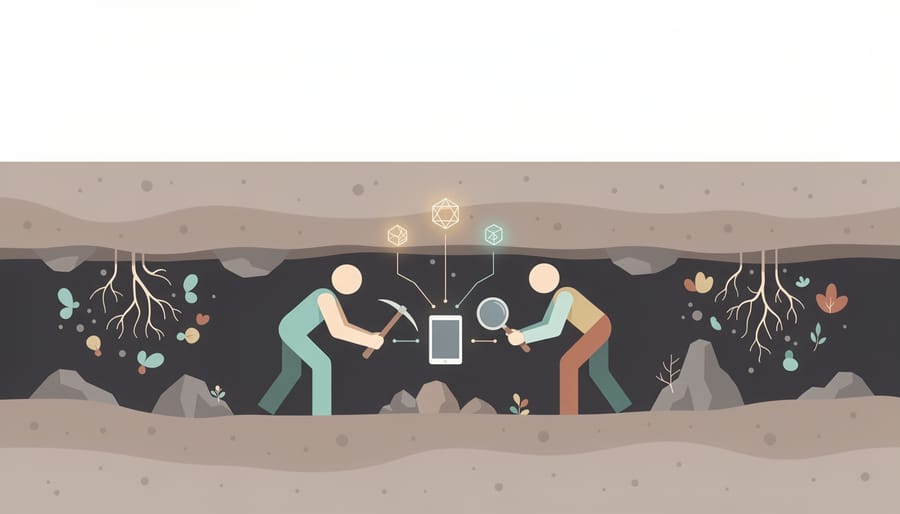
Most people stumble into the world of underground exploration through unexpected doorways, a historical documentary about Montreal’s RÉSO, an engineering article on subway expansion, or even urban legends about forgotten tunnels beneath their city. These initial encounters spark curiosity about what lies beneath our feet and how these hidden spaces shape modern Canadian life.
For many, the discovery begins with learning basic facts about underground spaces in Canada from pedestrian pathways connecting downtown buildings to utility tunnels carrying essential services. Online searches lead to forum discussions, blog posts from amateur explorers, and educational resources about sustainable tunneling practices. Social media algorithms might surface stunning photographs of abandoned mining shafts or videos explaining geothermal energy systems housed underground.
This phase feels overwhelming yet thrilling. Newcomers consume content voraciously, clicking through article after article, watching documentaries, and lurking in community forums without posting. They’re mapping the landscape, discovering terminology, and beginning to understand the intersection between historical preservation, modern infrastructure needs, and green technology innovation. The key shift happens when passive reading transforms into active questioning, when someone moves from “That’s interesting” to “I wonder how that works in my region?”
Finding Your Role in the Community
Your contribution to the community doesn’t need to match someone else’s. Some members excel at documenting forgotten infrastructure through photography and archival research, while others bring technical expertise in engineering or environmental science. Your local knowledge of regional tunneling history might be exactly what a researcher in another province needs, even if you’ve never published a formal study.
Consider what genuinely interests you rather than what seems most impressive. If you’re drawn to the environmental aspects of underground spaces, you might monitor water quality in accessible tunnels or document ecosystem changes over time. Those fascinated by technology can contribute by testing new surveying equipment or developing better methods for mapping subterranean networks. Writers and storytellers play a crucial role too, translating complex technical concepts into engaging narratives that bring more people into the fold.
The most effective contributors often start small. Attend a single community field trip before committing to ongoing research projects. Share one well-documented site visit rather than attempting a comprehensive regional survey immediately. As you interact with other members, you’ll naturally discover where your skills and interests intersect with community needs, sometimes in ways you hadn’t anticipated when you first joined.
Community Engagement in Canada’s Underground Spaces
Citizen Science and Collaborative Research
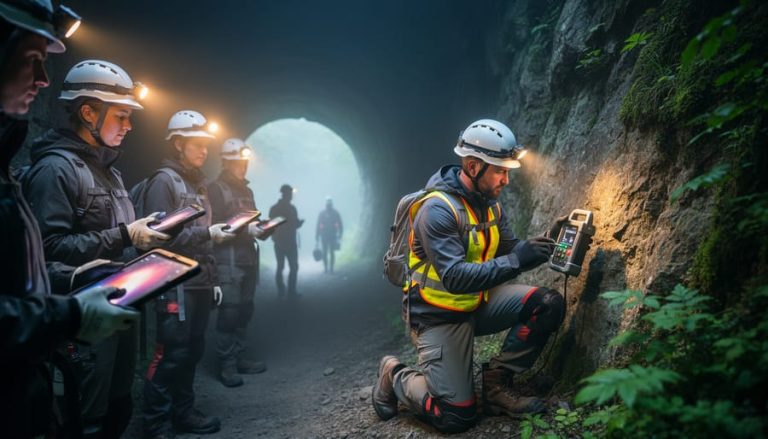
Community members are transforming underground research from an academic pursuit into a collective endeavor. Across Canada, exploration enthusiasts armed with sensors, cameras, and data loggers venture into tunnels, mine shafts, and natural cave systems to document environmental conditions that scientists rarely access. They measure air quality in abandoned rail tunnels, track water chemistry in limestone caverns, and photograph seasonal changes in underground flora. This citizen science monitoring fills critical gaps in our understanding of subterranean ecosystems while building expertise within the community itself.
The collaboration works both ways. Researchers gain access to sites and longitudinal data that would be impossible through traditional funding cycles. Community members develop scientific literacy and contribute to peer-reviewed studies. A Vancouver group monitoring humidity and temperature in historic streetcar tunnels provided two years of baseline data that helped engineers design ventilation systems for a new green transit project. In Quebec, cavers partnering with hydrogeologists mapped underground water flows that informed sustainable groundwater management policies.
What makes this engagement powerful is the mutual benefit. Contributors aren’t just unpaid assistants; they shape research questions, suggest new investigation sites based on local knowledge, and often co-author findings. This shared ownership creates research that’s both scientifically rigorous and deeply connected to the communities most invested in Canada’s underground future.
Preserving Underground Heritage Together
Canada’s underground spaces hold stories that run deeper than their tunnels. From the hand-carved mining drifts of the Yukon gold rush to Montreal’s forgotten pedestrian passages beneath Old Port, these structures embody generations of ingenuity, labour, and adaptation to our harsh climate. Yet many risk disappearing not through collapse, but through collective amnesia.
Engaged communities are reversing that trend. Local history groups in Halifax collaborate with structural engineers to map the city’s network of Victorian-era service tunnels, creating detailed archives before redevelopment erases physical access. In Sudbury, former miners partner with digital historians to record oral testimonies about techniques used in excavating the world’s deepest base-metal mine, preserving knowledge that no textbook captures. These efforts blend lived experience with technical documentation, creating richer historical records than either group could produce alone.
Digital platforms amplify preservation work across distances. A volunteer in Vancouver can transcribe century-old tunneling reports for a Winnipeg archive, while a Toronto photographer contributes images to a crowdsourced database of abandoned infrastructure. This distributed approach builds comprehensive resources while connecting enthusiasts who share urgency about documenting vulnerable sites before they’re sealed or demolished.
The connection between heritage preservation and resource advocacy strengthens both efforts. Communities documenting historic tunnels often uncover insights about sustainable extraction practices or adaptive reuse potential, making preservation work directly relevant to contemporary infrastructure decisions. When engagement merges past knowledge with present concerns, underground heritage becomes a living resource rather than a nostalgic footnote.
The Digital Meeting Ground: Building Engagement Online
Canada’s underground exploration community spans thousands of kilometers, from Thunder Bay’s abandoned silver mines to Montreal’s subterranean networks. Online platforms erase that distance, transforming scattered enthusiasts into a connected network that shares discoveries, troubleshoots challenges, and pushes the boundaries of sustainable tunneling practices in real time.
These digital spaces serve as more than social hubs. They’re research laboratories where members compare soil composition data from different regions, workshop storage ideas for renewable energy batteries, and debate the ethics of accessing historical infrastructure. A university researcher in Halifax can post thermal imaging results from a geothermal study, and within hours receive feedback from an engineer in Vancouver and a geology student in Winnipeg. That cross-pollination of expertise accelerates innovation in ways that geography alone would prevent.
The most vibrant online communities balance accessibility with substance. Newcomers find welcoming introductions to underground ecology and green technology fundamentals, while experienced members dive into technical discussions about ventilation systems in heritage tunnels or carbon sequestration potential in abandoned mining shafts. Live virtual tours of restoration projects let participants across Canada witness progress together, asking questions and offering suggestions that project leads actually implement.
Meaningful engagement in these spaces looks different from passive scrolling:
- Share field observations with photos, coordinates, and context rather than vague posts
- Ask specific questions that advance collective knowledge, not just seek personal answers
- Contribute expertise on topics you know well and admit gaps where you’re learning
- Follow up on discussions by testing suggestions and reporting back results
- Connect members with complementary interests or skills for potential collaboration
When members treat online forums as collaborative workspaces rather than entertainment feeds, the community becomes a genuine engine for discovery and environmental progress. The screen becomes a portal to Canada’s hidden underground world and the sustainable future being built within it.
When Engagement Drives Real Change
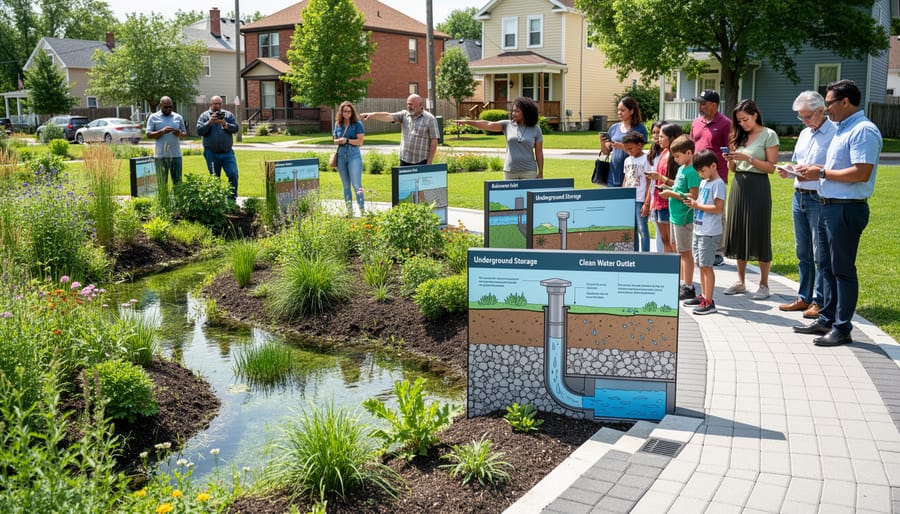
Community-Led Innovation
When communities come together around shared challenges, breakthrough solutions often emerge from unexpected places. In Canada’s underground infrastructure sector, engaged enthusiasts have sparked genuine innovations that professional engineers now incorporate into standard practice.
Take the Montreal Underground Heritage Network, where long-time urban explorers documented structural deterioration patterns in historic tunnel systems. Their detailed observations led to a collaborative pilot with municipal engineers, resulting in a low-impact reinforcement technique that preserves heritage features while meeting modern safety standards. The method now appears in preservation guidelines across several Canadian cities.
Similar partnerships have developed around sustainable ventilation systems. Community members tracking air quality in underground spaces identified microclimates that suggested natural convection opportunities. Working with green technology firms, they helped design passive ventilation solutions that reduce energy consumption in new tunnel projects by up to thirty percent compared to conventional forced-air systems.
These examples demonstrate why it matters to have your voice heard in technical conversations. Fresh perspectives from people who regularly experience underground environments reveal practical improvements that desk-based planning often misses, turning enthusiast knowledge into engineering advances that benefit everyone.
Amplifying Environmental Stewardship
When exploration enthusiasts band together with a shared commitment to conservation, their collective impact far exceeds what any individual could achieve alone. Across Canada, engaged communities are establishing protocols for responsible underground exploration that minimize environmental disruption while documenting valuable ecological data. Members share real-time observations of underground water quality changes, track invasive species in cave systems, and report structural concerns that could affect surface ecosystems.
These collaborative efforts create a powerful feedback loop. As community members witness the direct results of their stewardship, cleaner underground waterways, protected bat hibernacula, or preserved historical mining sites, their commitment deepens and spreads. A single concerned explorer documenting pollution in a storm drain system can spark a community-wide remediation initiative. When multiplied across dozens of active participants, these individual actions transform into a monitoring network that complements official environmental agencies.
The communities that thrive in this space don’t just follow guidelines; they help create them. By pooling observations from diverse underground environments, members identify best practices that become informal standards. This grassroots knowledge-sharing ensures that newer explorers learn responsible techniques from day one, creating a culture where environmental stewardship isn’t an afterthought but the foundation of every underground adventure.
An engaged community transforms solitary curiosity into collective discovery. Throughout this exploration of what makes communities truly participatory, we’ve seen how shared passion for Canada’s underground environments creates something far greater than individual interest, it builds networks of knowledge, drives innovation in sustainable technologies, and preserves our subterranean heritage for future generations.
Your involvement matters more than you might think. Whether you’re documenting forgotten tunnels in your neighborhood, contributing observations to environmental monitoring projects, or simply sharing what you’ve learned with newcomers, each action strengthens the fabric of our community. The research initiatives, preservation efforts, and green technology advances we’ve examined all started with individuals who decided their voice and expertise had value.
The underground world beneath Canada holds countless stories waiting to be discovered, challenges demanding innovative solutions, and opportunities for environmental stewardship. But these possibilities only come alive when people like you move from passive observation to active participation. The communities thriving today didn’t emerge by chance, they grew because members chose to contribute, collaborate, and commit to something bigger than themselves.
What role will you play? The journey from curious observer to engaged contributor starts with a single step. Your unique perspective, local knowledge, and enthusiasm are exactly what our community needs to keep pushing boundaries, protecting what matters, and building a more sustainable underground future together.