
Canada’s Changing Climate Report 2026 is the country’s definitive statement on the physical state of the climate, and it’s the best place to start if you want a clear, current picture of what’s happening here at home. It was built by more than 100 experts over three years, then released quietly on the Thursday before Labour Day weekend. Easy to miss. Worth finding.
Why does it matter? Because it gives Canadians a shared factual baseline, and a baseline is what good decisions are built on. The Supreme Court of Canada has already acknowledged that climate change is real and poses a grave threat to humanity’s future. The question now is less “is it happening?” and more “what do we do about it?”
Canada has been answering that for a while. The Greenhouse Gas Pollution Pricing Act was enacted in June 2018. The Clean Fuel Regulations then asked primary fuel suppliers to lower the carbon intensity of liquid fuels, by blending in renewable diesel, biodiesel, and ethanol, or by trading credits. People disagree, sometimes sharply, about which tools work best, and that debate deserves a seat at the table.
Here at SubterraPulse, we look at the story from below the surface, where tunnels, geothermal systems, and underground infrastructure are quietly shaping a lower-carbon future. There’s real reason for optimism, and plenty of room for your voice. Tell us what you’d like to see covered.
What Canada’s Changing Climate Report 2026 Is, and Why It Matters
How to Read a Climate Report Without Getting Lost
A big climate report can feel like walking into a tunnel without a headlamp. A few habits help.
Start with the summary. Most large scientific assessments, which are simply thorough reviews of everything researchers currently know about a topic, open with a short overview. Read that first, then dip into chapters that catch your interest. Canada’s Changing Climate Report 2026 was built by more than 100 experts over three years, so nobody expects you to read it cover to cover in one sitting.
Next, look for what applies to where you live. Climate impacts vary across the country, so hunt for the parts that speak to your region and your daily life.
Finally, keep a short list of terms to unpack. Take “carbon intensity,” which just means how much carbon pollution is released for each unit of energy a fuel provides. Once you’ve got the plain meaning, the rest of a sentence usually clicks into place.
Go at your own pace, and be curious rather than overwhelmed.
The Policy Backbone: How Canada Puts a Price and a Standard on Emissions
Why Different Canadians Favour Different Tools
Ask ten Canadians how to cut emissions fastest and you’ll likely hear ten answers. Some favour putting a price on carbon, pointing to the Greenhouse Gas Pollution Pricing Act as a way to nudge choices across the whole economy. Others prefer fuel standards like the Clean Fuel Regulations, which target the carbon intensity of liquid fuels directly. Some trust clear regulation to set firm limits, while others put their hope in new technology, from better batteries to geothermal heat drawn from underground.
Each approach has real supporters and real critics. People weigh cost, fairness, speed, and local needs differently, and a farmer, a city commuter, and a tunnelling engineer may each see things through a different lens. That’s healthy. Think of these as tools in one toolbox rather than rivals, and the best conversations tend to start with what each tool does well.
Where the Underground Comes In: Tunnels, Geothermal, and Storage Beneath Our Feet
Lessons from Canada’s Tunnelling Heritage
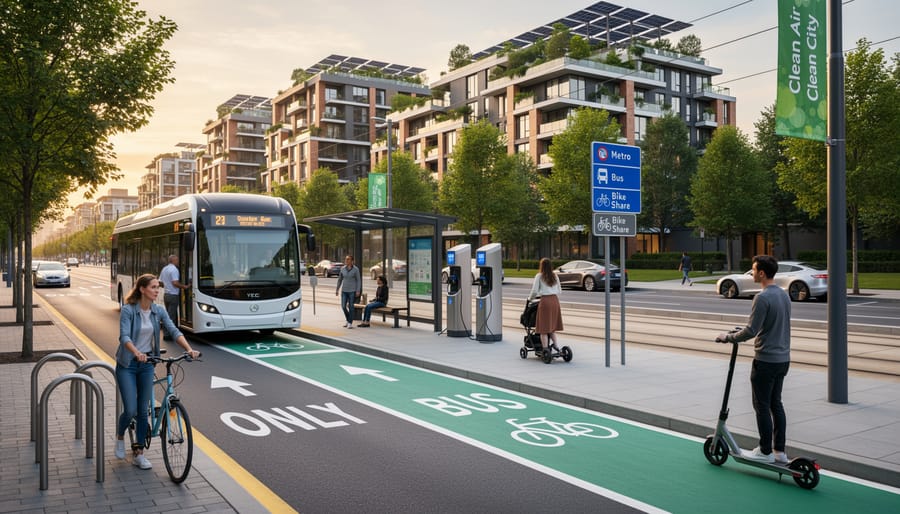
Canada has been building beneath the surface for generations, from mining shafts to subway lines that carry millions of commuters every year. That long tradition gives us a practical head start on green infrastructure. Crews who have spent careers working underground understand ground conditions, ventilation, and safety in ways that no textbook fully captures.
Today those same skills point toward cleaner solutions. Moving transit below ground can free up surface space, and stable underground temperatures can support efficient heating and cooling. If you’re curious about why this approach keeps gaining attention, take a look at the benefits of going underground.
New to the subject? Our guide to tunneling basics is a friendly place to start. The past offers real inspiration for the road ahead.
Common Questions About Climate Change Reporting in Canada
What is Canada’s Changing Climate Report 2026?
It is described as the country’s definitive statement on the physical state of the climate. It was quietly released on the Thursday before Labour Day weekend, so plenty of people missed it. If you want a broader global view, our look at the UN climate report and what it means for Canada’s underground infrastructure is a good companion read.
Who wrote it?
The report is the product of more than 100 experts working over a three-year period.
What is the Greenhouse Gas Pollution Pricing Act?
It is federal legislation enacted in June 2018 that puts a price on greenhouse gas pollution. Canadians have a range of views on how well pricing works compared with other tools, and that conversation is welcome.
What do the Clean Fuel Regulations require?
They took effect across Canada on June 30, 2023. Primary fuel suppliers must reduce the carbon intensity of liquid fuels, either by blending in renewable diesel, biodiesel, ethanol and other low-carbon fuels, or by trading credits to comply.
Feeling swamped by it all? That’s normal. Pick one trusted summary, read it in short bursts, and focus on how the findings touch your own region. Then jot down any unfamiliar terms and look them up one at a time. Climate science is a big subject, but you don’t have to swallow it in one sitting, and curiosity is a perfectly good place to start.
Join the SubterraPulse Community: Ways to Get Involved
Understanding climate change is easier when we do it together, and that’s where you come in. At SubterraPulse, community engagement is how good ideas travel from one reader to the next.
Here are a few ways to take part:
– Join the discussions and share your perspective on how Canada should respond to a changing climate.
– Take part in research opportunities hosted on the site as they come up.
– Contribute a story about a Canadian underground environment, whether it’s a tunnel, a mine, or a cave you know well.
– Suggest a green technology topic you’d like us to explore next.
Every viewpoint on solutions is welcome here, whether you favour pricing, regulation, innovation, or a mix of all three. Stewardship grows through shared learning, and your voice helps shape what we learn.
Canada’s Changing Climate Report 2026 gives us a clear, expert-built picture of the physical climate, the work of more than 100 specialists over three years. Policies like the Greenhouse Gas Pollution Pricing Act and the Clean Fuel Regulations are part of the response, and while Canadians will keep debating the best tools, the goal of cutting emissions is shared. Beneath our feet, tunnelling, geothermal heat and subsurface storage offer real reasons for hope, backed by a proud history of building underground. Now we’d love to hear from you. Share your perspective, your stories and your ideas with the SubterraPulse community.