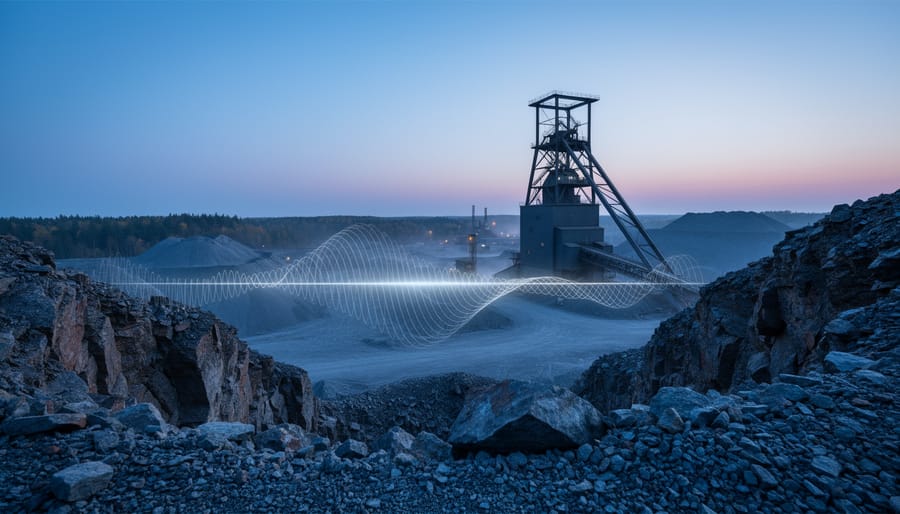

On Sunday at 8:46 p.m., a 3.0 magnitude earthquake rumbled through Sudbury, a seismic event that caught residents’ attention but posed no immediate danger to the community. While earthquakes in northern Ontario might seem unusual, Sudbury’s unique underground landscape, shaped by over a century of deep mining operations, creates conditions where seismic activity is more common than many Canadians realize.
The tremor represents a characteristic example of mining-induced seismicity, where the extensive network of tunnels and excavations beneath the city can trigger ground movement as rock adjusts to the voids and pressures created by resource extraction. This isn’t a rare occurrence in the region. Sudbury’s position atop one of the world’s richest mineral deposits means the ground beneath the city is honeycombed with active and historic mine workings, some extending more than two kilometers below the surface.
For residents wondering whether this signals increased risk, the answer is reassuring. Earthquakes of this magnitude typically cause little more than brief rattling, rarely resulting in structural damage or injury. What makes this event noteworthy isn’t its severity but what it reveals about the relationship between human activity and geological response in Canada’s mining heartland. Understanding these tremors helps communities and industry work together to monitor underground stability, improve safety protocols, and develop sustainable approaches to resource extraction that protect both workers below ground and families living above it.
What Happened: The Recent Seismic Event
On Sunday evening at 8:46 p.m., seismic monitoring equipment detected and confirmed Sunday at 8:46 p.m. a 3.0 magnitude earthquake in the Sudbury region. While moderate in scale, this event immediately caught the attention of local residents familiar with the area’s unique geological character and extensive underground mining operations.
The 3.0 magnitude classification places this event in a range typically felt by people near the epicenter but unlikely to cause structural damage. Residents reported brief shaking, consistent with what seismologists expect from an earthquake of this size. For a region accustomed to occasional tremors tied to both natural geological processes and human activity below ground, the event served as a reminder of the dynamic forces at work beneath Sudbury’s surface.
What makes this earthquake noteworthy isn’t its strength but its context. Sudbury sits atop one of the world’s most geologically complex structures, with active mining reaching depths exceeding two kilometers. Each seismic event contributes data that helps researchers and safety officials better understand how underground work interacts with the region’s natural stress patterns, making accurate detection and reporting vital for ongoing safety improvements.
Key Developments in Sudbury’s Seismic Landscape
1. Understanding Mining-Induced Seismicity in Sudbury
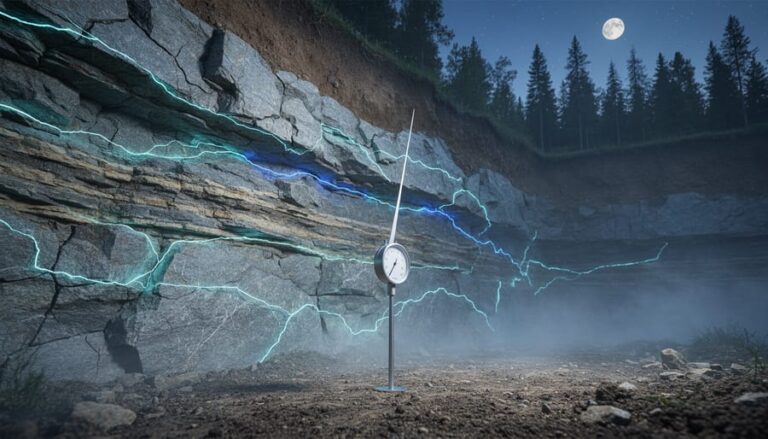
Sudbury’s underground landscape is honeycombed with more than a century of mining excavations, creating conditions that can trigger seismic events distinct from typical tectonic earthquakes. When mining removes rock from deep within the Earth, it changes stress distribution in surrounding formations. As these stresses redistribute, rock masses can shift or fracture suddenly, releasing energy that registers as an earthquake.
Mining-induced seismicity differs from natural earthquakes in both origin and pattern. Tectonic earthquakes occur along fault lines where massive geological plates interact, often generating aftershocks over weeks or months. Mining-related events stem from localized stress changes in excavated areas, typically occurring at shallower depths and clustering around active or recently worked mining zones. The Sudbury Basin’s unique geology, formed by an ancient meteorite impact, adds complexity, as the region’s fractured bedrock responds differently to mining stress than typical continental crust.
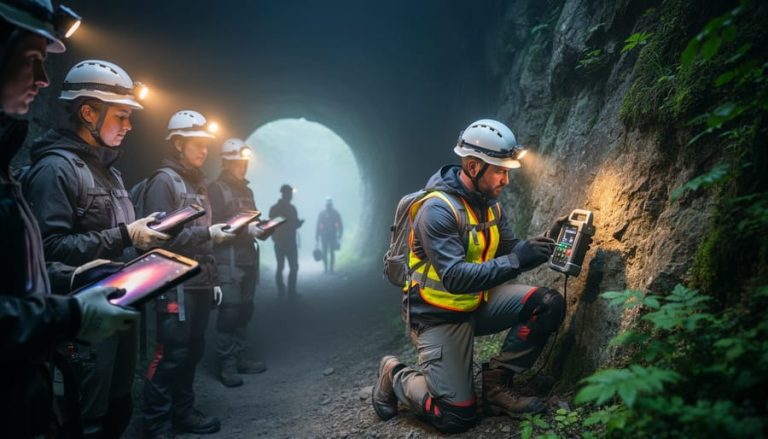
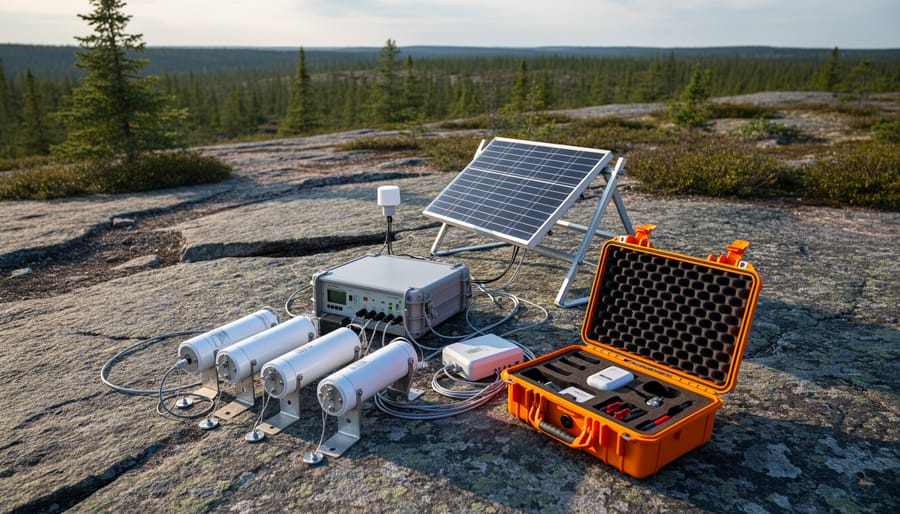
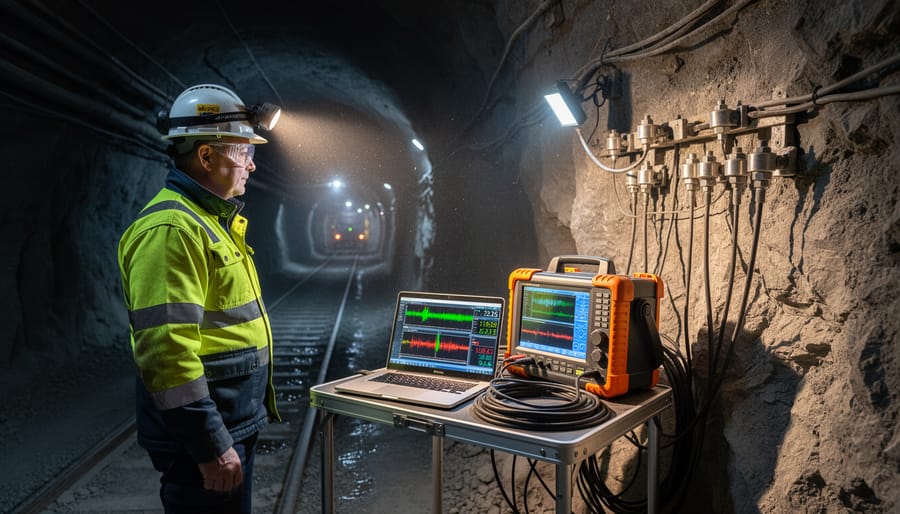
Canada’s mining districts maintain sophisticated monitoring networks to distinguish between controlled blasts, mining-induced events, and natural seismicity. Sudbury’s monitoring infrastructure includes seismometers positioned both underground and on the surface, feeding data to regional centres that analyze patterns in real time. Mining companies track microseismic activity as a safety measure, adjusting operations when monitoring indicates elevated risk in specific zones.
This dual nature of Sudbury’s seismic activity, partly geological, partly human-influenced, makes continuous monitoring essential for worker safety and infrastructure planning in one of Canada’s most geologically active mining regions.
2. Community Awareness and Preparedness Efforts
Mining companies and municipal authorities in Sudbury have responded to the region’s unique seismic profile by strengthening collaboration between underground operations and emergency management services. Regular meetings bring together seismologists, mine safety officials, and local government representatives to share data and refine response protocols. This coordination ensures that when events like Sunday’s 3.0 magnitude earthquake occur, information flows quickly to relevant stakeholders and the public receives accurate updates rather than speculation.
Educational initiatives now reach deeper into the community. Mining companies have expanded their traditional safety training beyond workers to include family members and nearby residents, offering workshops on what to expect from mining-induced seismicity versus natural earthquakes. These sessions explain why ground movement happens in active mining districts, how monitoring systems work, and what actions make sense during an event. Schools in the region incorporate basic earthquake preparedness into safety drills, normalizing awareness without creating alarm.
The monitoring infrastructure itself continues to evolve. Additional seismometers placed strategically around major mining operations provide denser coverage, allowing faster detection and more precise location of seismic events. This network feeds into both private mining safety systems and public earthquake databases, creating redundancy that benefits everyone. When sensors record activity, automated alerts notify mine control rooms immediately, while data simultaneously flows to Natural Resources Canada for scientific analysis and public reporting. This dual-track approach balances workplace safety needs with community transparency, making seismic information accessible rather than confined to technical circles.
3. Advances in Seismic Detection Technology
Canada’s seismic monitoring infrastructure has made significant strides in recent years, with enhanced sensitivity that now routinely captures events as small as the 3.0 magnitude earthquake recorded in Sudbury. Modern seismograph networks deploy dense arrays of sensors that can pinpoint tremors within a kilometre, far more precisely than systems from even a decade ago. This improved resolution matters tremendously in mining regions, where distinguishing between controlled blasts and genuine seismic events prevents unnecessary alarm and ensures accurate hazard assessment.
Advanced algorithms now analyze waveform patterns to separate mining-induced activity from natural tectonic shifts. Mining blasts produce distinct seismic signatures, shorter duration, higher frequency waves, that differ markedly from the rolling, sustained waves of tectonic earthquakes. Automated classification systems process these signals in near-real-time, flagging genuine seismic events for immediate human review while filtering routine industrial activity. This technological leap has reduced false alarms and improved community communication about actual earthquake risks.
Real-time data sharing between mining operators and government monitoring agencies has become standard practice in districts like Sudbury. Companies report blast schedules digitally, allowing seismologists to correlate expected industrial signals with sensor readings. When an event occurs outside these windows, as with Sunday’s 8:46 p.m. earthquake, the system immediately identifies it as noteworthy. This collaborative approach strengthens both scientific understanding and public safety, turning Canada’s mining regions into living laboratories for seismic research.
Why Sudbury Seismic Activity Matters
Understanding seismic activity in the Sudbury region extends far beyond recording numbers on a scientific instrument, it directly affects real people working underground, living nearby, and planning the region’s future. The confirmed 3.0 magnitude earthquake highlights why continuous monitoring and research matter in Canada’s most geologically active mining district.
Worker safety stands at the forefront of why tracking seismic events matters. Thousands of people descend into Sudbury’s mines daily, working at depths where ground movement poses genuine risk. When seismic activity occurs, mining operations can experience rockbursts, sudden, violent failures of rock that create dangerous conditions underground. Monitoring networks give mine operators advance warning of stress buildup, allowing them to adjust drilling patterns, reinforce vulnerable areas, or evacuate personnel before larger events occur. This real-time data transforms abstract geological concepts into practical safety protocols that protect lives.
Beyond the mines themselves, infrastructure across the entire region needs consideration. Roads, buildings, water systems, and the power grid all face stress from repeated seismic events, even small ones. Engineers designing new structures or upgrading existing ones use historical seismic data to ensure buildings can withstand likely ground motion. The cumulative effect of many minor earthquakes over decades can weaken structures that weren’t built with seismic loads in mind, making ongoing monitoring essential for maintenance planning and public safety.
Different groups face distinct concerns related to seismic activity:
- Underground workers need reliable warning systems and safe evacuation protocols
- Residents want to know whether tremors indicate dangerous conditions or fall within normal ranges for the area
- Scientists see the Sudbury Basin as a unique laboratory for studying mining-induced seismicity and deep earth processes
- Infrastructure planners require accurate risk assessments to design resilient systems and prioritize upgrades
The Sudbury Basin offers researchers unmatched opportunities to study how human activity interacts with natural geology. Few places on Earth combine such extensive underground operations with such distinctive geological features, the ancient meteor impact structure creates rock formations found nowhere else. Understanding seismic patterns here informs safer mining practices worldwide and helps geologists distinguish between natural earthquakes and those triggered by industrial activity.
Connecting seismic monitoring to sustainable practices might seem counterintuitive, yet the link proves direct. Modern mining companies recognize that responsible extraction means minimizing environmental disruption, including ground instability. Better seismic monitoring allows operations to extract resources while reducing unnecessary earth movement. This approach aligns with the broader benefits of going underground for industrial activities, when done thoughtfully, underground operations concentrate environmental impact in controlled areas rather than sprawling across surface landscapes. Seismic data helps operators fine-tune their methods, making extraction more efficient and less disruptive to the surrounding region.
What This Means for Canada’s Underground Environments
The Sudbury seismic event highlights why monitoring earth movement matters far beyond a single mining district. Canada’s underground environments, from urban transit tunnels in Toronto and Vancouver to proposed geothermal sites in Alberta, share geological complexities that demand continuous seismic awareness. When engineers design subway expansions or plan deep infrastructure projects, they rely on decades of data from regions like Sudbury to predict how rock masses respond to human activity and natural stress.
Mining-induced seismicity research directly improves safety protocols for any operation that disturbs subsurface geology. The monitoring networks refined in Sudbury’s deep mines now inform tunnel boring projects across the country, helping crews anticipate ground behavior and adjust excavation techniques before problems emerge. This knowledge transfer makes underground construction faster, safer, and more cost-effective in cities and resource regions alike.
Geothermal energy development particularly benefits from understanding how fractures and stress patterns behave at depth. Canada’s push toward carbon-neutral mining operations relies on this same seismic intelligence, companies use real-time ground monitoring to minimize environmental disruption while extracting resources more responsibly. The Sudbury Basin’s unique geology offers a living laboratory where lessons learned underground translate into smarter, greener practices for tunneling, energy, and resource projects nationwide.
What to Watch Next
Tracking seismic activity in Sudbury doesn’t require alarm, just informed awareness. Earthquakes Canada maintains real-time monitoring data that anyone can access online, offering transparent information about magnitude, location, and depth for every detected event across the country. Checking these official sources periodically gives you factual updates without sensationalism.
Researchers focus on patterns rather than individual events. They track frequency changes over time, correlations between mining operations and seismic activity, and how underground stress redistributes across the Sudbury Basin. Understanding fault networks and tracking methods helps scientists predict where future monitoring stations might be most valuable.
For community members, staying informed means following local mining company safety reports, attending town hall meetings about underground operations, and subscribing to geological survey updates. The goal isn’t to watch every minor tremor with concern, but to understand Sudbury’s unique geological character. When you know what’s normal for a region built on one of Earth’s most studied impact craters, occasional seismic readings become expected data points rather than surprises.
Common Questions About Seismic Activity in Mining Regions
Residents often have practical questions about the seismic events they experience in mining regions like Sudbury. Understanding these fundamentals helps demystify earth movement and supports informed community engagement around underground safety.
How common are earthquakes in Sudbury?
Small seismic events occur regularly in Sudbury due to extensive mining operations, though most are too minor to feel. The confirmed 3.0 magnitude event on Sunday represents a moderate tremor that residents might notice but rarely causes damage.
What magnitude is considered significant in mining areas?
Events below 2.0 typically go unnoticed, while those between 2.0 and 3.5 may be felt but rarely cause concern. Magnitudes above 4.0 warrant closer attention, though they remain uncommon in mining-induced seismicity contexts.
How do mining-induced earthquakes differ from natural ones?
Mining-induced events generally occur at shallower depths and result from stress redistribution in excavated rock, whereas tectonic earthquakes stem from deeper geological fault movement. Both register on seismometers, but their origins and implications differ significantly.
What safety measures protect workers and communities?
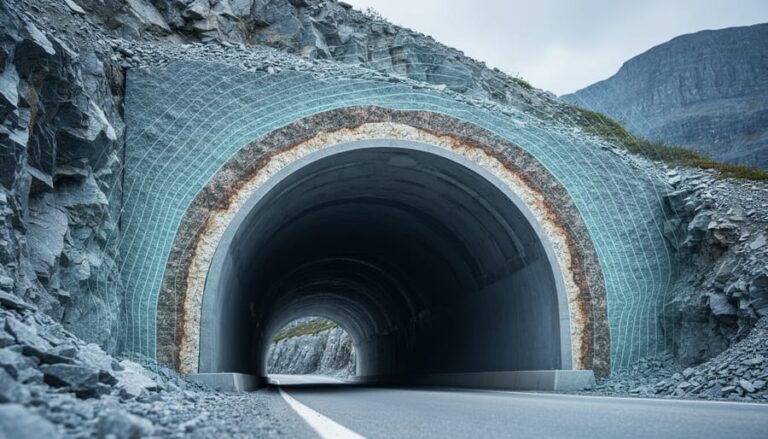
Mining operations employ continuous seismic monitoring networks, implement ground support systems in tunnels, and follow strict protocols for managing underground instability. Communities benefit from the same earthquake preparedness basics recommended for any seismically active region.
These answers reflect current understanding of seismic activity in underground environments. Mining companies and geological research institutions continuously refine monitoring techniques, helping distinguish routine activity from events requiring response. The collaborative approach between industry, scientists, and local authorities ensures that seismic data informs both immediate safety decisions and long-term planning for sustainable underground operations across the region.
Understanding what seismic activity means for regions like Sudbury isn’t about fear, it’s about building safer, smarter underground environments. The recent 3.0 magnitude event reminds us that monitoring earth movement is essential for protecting workers, infrastructure, and communities in mining regions across Canada. As we develop greener mining practices and explore geothermal opportunities in similar geological settings, seismic data becomes a tool for sustainable progress. Get involved in local geology discussions, attend community meetings about mining practices, and support initiatives that balance resource extraction with environmental responsibility. Your voice matters in shaping how Canada approaches its underground future.