
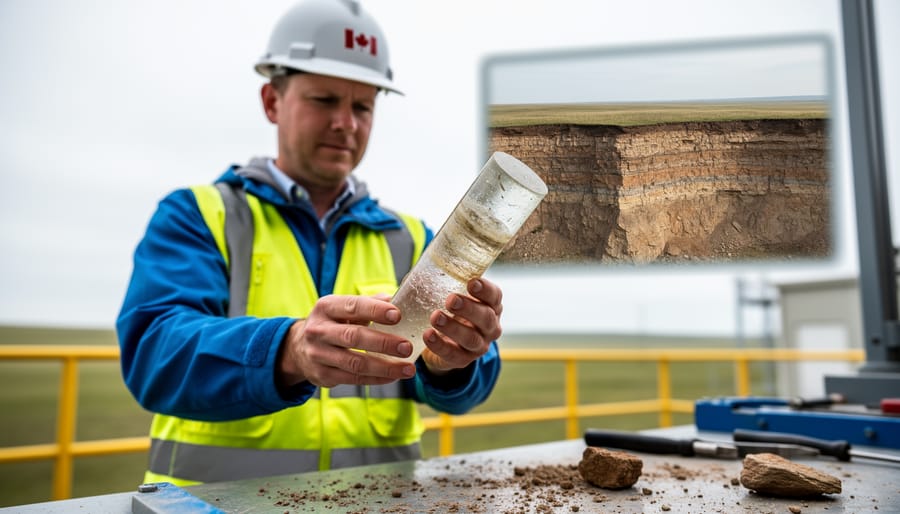

The United Nations climate framework has delivered a landmark $300 billion annual financing commitment to help developing nations cut emissions and adapt to climate impacts by 2035, following the COP29 conference in Baku, Azerbaijan, that concluded in November 2024. For Canadians, this global agreement opens significant doors: our country’s vast geological formations and proven expertise in underground carbon storage position us as natural leaders in the climate solutions the world urgently needs. While the Baku summit fell short on advancing last year’s fossil fuel transition pledge, the unprecedented flow of climate finance will accelerate investments in technologies where Canada already excels.
Underground carbon capture and storage stands at the heart of this opportunity. Canada’s sedimentary basins, particularly across the Prairie provinces, offer some of the most suitable geological formations on Earth for permanently storing captured CO₂. These deep saline aquifers and depleted oil reservoirs can safely hold carbon for thousands of years, transforming what was once industrial emissions into secure underground deposits. The UN’s expanded climate finance recognizes that achieving net-zero goals requires both renewable energy expansion and proven methods to address existing emissions.
What makes this moment particularly promising is how it aligns global resources with practical Canadian innovation. Our engineers and geologists have spent decades mapping underground spaces, drilling through challenging rock formations, and monitoring subsurface behaviour. That knowledge base, built through resource extraction and infrastructure development, now serves a different purpose: helping the planet meet its climate targets while creating economic opportunities at home. The path forward isn’t about abandoning what Canadians do well; it’s about redirecting that expertise toward the solutions our communities and the world need most.
What the UN Climate Framework Actually Means for Underground Innovation

The United Nations Framework Convention on Climate Change sounds like bureaucratic alphabet soup, but it’s actually the rulebook that turns global climate promises into real money and technology priorities. Think of the annual COP meetings as the world’s largest climate negotiation, where countries hammer out who pays for what and which solutions get the green light. COP29 in Baku, Azerbaijan, which wrapped up in November 2024, earned the nickname “finance COP” because delegates focused on setting a new funding target to help developing countries cut emissions and cope with climate impacts.
For those working in underground innovation, these agreements matter because they shape where investment flows. When COP negotiations prioritize carbon capture and storage, geothermal energy, or hydrogen storage, funding mechanisms follow. The benefits of going underground for climate mitigation align perfectly with what these international frameworks are designed to support: long-term, scalable solutions that keep greenhouse gases out of the atmosphere.
Carbon capture and storage technology gets a direct boost when countries commit to emission reduction targets. Geothermal projects become more viable when clean energy mandates kick in. Underground hydrogen storage gains traction as nations plan their transition to renewable energy systems that need reliable backup. These aren’t abstract policy goals, they translate into research grants, infrastructure investments, and regulatory frameworks that make subterranean climate projects financially feasible.
The challenge remains that countries failed to reach agreement on how to implement last year’s pledge to transition away from fossil fuels, showing that political will doesn’t always keep pace with scientific urgency. Still, the finance commitments create a foundation for countries like Canada, with the right geology and expertise, to turn underground environments into climate assets rather than just extraction zones.
Canada’s Underground Advantage in the Global Climate Picture
Geological Storage: Why Canada’s Bedrock Matters
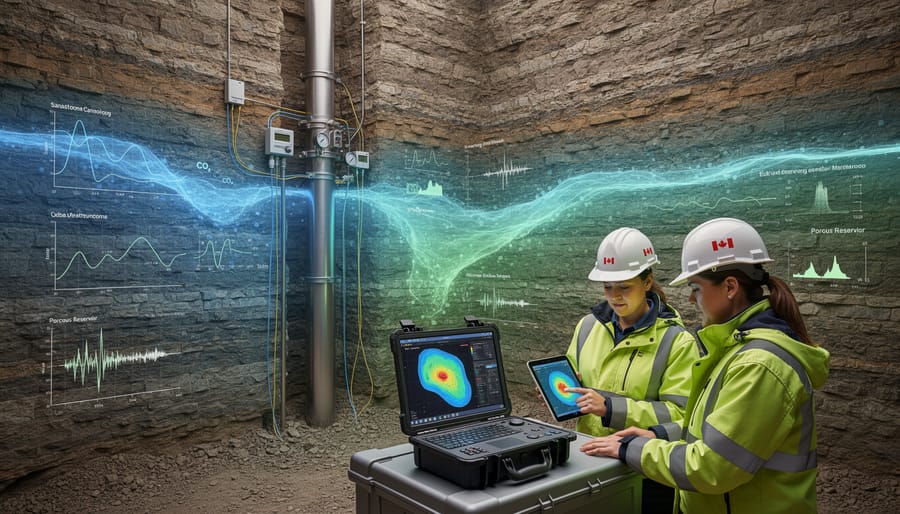
Canada sits on some of the planet’s most promising geology for storing carbon dioxide underground, a crucial advantage as the world looks for practical ways to meet climate commitments. Think of our sedimentary basins as vast geological sponges, layers of porous rock that can hold CO₂ the way sandstone absorbs water. These formations stretch across the Western Canadian Sedimentary Basin and parts of the Atlantic offshore, offering enormous capacity for long-term carbon storage.
What makes these sites work is a three-part geological setup. First, you need porous rock, typically sandstone or limestone, with tiny interconnected spaces that can trap injected CO₂. Second, you need a thick layer of impermeable cap rock above it, usually shale or salt, that acts as a seal to prevent upward migration. Third, many ideal storage sites in Canada are saline aquifers, deep underground zones filled with salty water unsuitable for drinking or agriculture, meaning storage doesn’t compete with freshwater resources.
Canada’s history with oil and gas extraction has created another advantage: we’ve mapped these underground formations extensively. Geologists understand the rock properties, pressures, and behaviours at depth. Some underground spaces used for fossil fuel production can transition to carbon storage, turning legacy infrastructure into climate solutions.
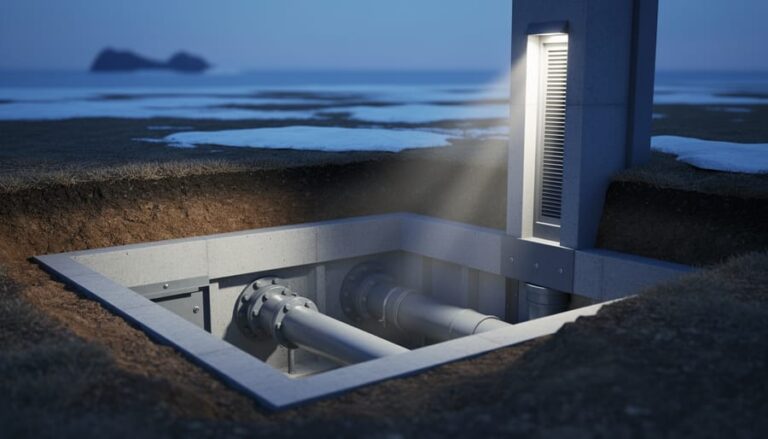
The scale matters. A single well-selected geological formation can store what hundreds of surface facilities might capture over decades. With proper site selection and monitoring, these natural vaults offer permanence, keeping CO₂ locked away for thousands of years while Canada contributes to global emission reduction targets.
From Mines to Climate Solutions
Canada’s century-long history of digging deep has left behind more than memories, it’s created a network of infrastructure that forward-thinking engineers are now eyeing for climate solutions. Abandoned mine shafts in communities like Sudbury and Flin Flon offer ready-made access to stable underground temperatures, making them promising candidates for geothermal heating systems that can warm entire neighbourhoods without burning fossil fuels. The basics of tunneling that built Canada’s mining industry are now being applied to create experimental storage facilities where captured carbon dioxide can be safely sequestered in deep geological formations.
What makes this repurposing especially exciting is that the geological surveys, structural assessments, and underground expertise already exist. Communities that once depended on resource extraction now have opportunities to lead in sustainable technology, transforming industrial heritage into climate infrastructure. From Timmins to Kimberley, conversations are happening about how old workings might support new purposes, whether that’s storing excess renewable energy, testing carbon capture methods, or providing the foundation for district heating networks that reduce emissions while honouring the skills and knowledge embedded in mining towns.
Where Climate Finance Meets Canadian Innovation
The $300 billion annual commitment agreed at COP29 in November 2024 represents more than a headline figure, it opens pathways for Canadian underground technology to access global climate finance. These funds flow through multiple channels: direct bilateral agreements between countries, multilateral development banks, green bonds specifically earmarked for climate solutions, and public-private partnerships designed to de-risk early-stage technologies. For Canada’s underground sector, this creates tangible opportunities to advance projects that might otherwise struggle to secure commercial financing on their own.
Carbon capture and storage sits at the centre of this funding landscape. Developed nations are directing climate finance toward geological sequestration precisely because it offers permanent, measurable carbon removal at the scale required to meet international targets. Canadian sedimentary basins, with their proven storage capacity and existing monitoring infrastructure, become attractive destinations for these investments. Projects that demonstrate long-term containment, transparent accounting, and minimal surface disruption can tap into both domestic support and international climate funds seeking verifiable emissions reductions.
Several technology areas align particularly well with the finance mechanisms now taking shape:
- Carbon capture retrofits for industrial facilities with access to suitable underground formations
- Geothermal energy systems leveraging deep drilling expertise to provide emissions-free heat and power
- Underground hydrogen storage in depleted reservoirs and salt caverns to support renewable energy grids
- Research collaborations testing novel storage methods, including mineralization approaches
- Monitoring and verification technologies that ensure underground storage remains secure over decades
The challenge lies less in the availability of funding than in navigating the application processes and meeting the stringent requirements international finance demands. Projects need clear environmental assessments, community engagement documentation, and long-term monitoring plans before funds flow. Canadian underground innovators who can demonstrate both technical capability and social license stand to benefit as climate finance shifts from aspiration to allocation.
The Challenges We’re Still Tunneling Through
Underground climate solutions hold immense promise, but the path forward isn’t a straight tunnel. Canada’s geological advantages mean little without the regulatory frameworks, financing, and social license needed to put them to work at scale.
Regulatory approval for carbon storage projects moves slowly, often taking years to navigate multiple jurisdictions and environmental review processes. Federal and provincial governments operate on different timelines, creating coordination challenges that can stall promising initiatives. The absence of standardized permitting procedures across provinces makes it difficult for developers to plan long-term investments in underground storage infrastructure.
COP29’s finance commitments were a step forward, yet delegates left Baku without resolving how to advance last year’s pledge to transition away from fossil fuels. This unfinished business creates uncertainty for Canadian projects that sit at the intersection of traditional energy sectors and climate solutions. Carbon capture and storage technologies can reduce emissions from existing industrial operations, but without clear policy direction on the future of those industries, investors hesitate.
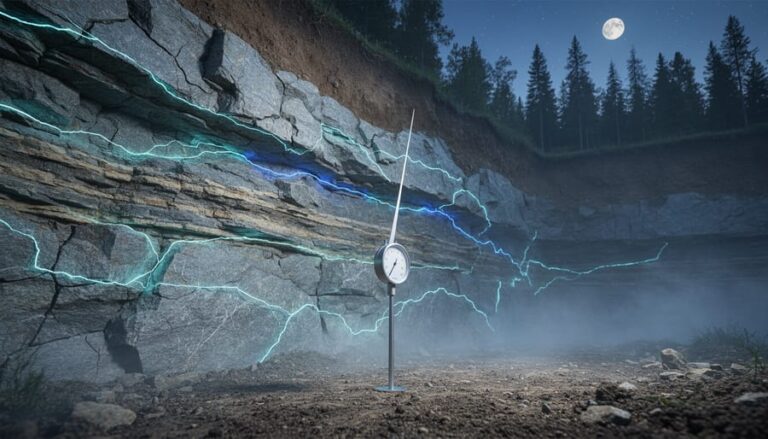
Long-term monitoring presents another complex challenge. Underground carbon storage requires verification systems that can track stored CO₂ for decades, ensuring it stays safely sequestered. Developing these monitoring protocols demands ongoing funding and technical expertise that extends far beyond initial project timelines.
Community acceptance remains essential, particularly regarding partnerships with Indigenous communities whose traditional territories often overlap with potential storage sites. Meaningful consultation takes time and genuine commitment. An engaged community isn’t built through perfunctory meetings, it requires transparent communication about risks, benefits, and the long-term stewardship responsibilities that underground storage entails.
These challenges aren’t insurmountable. They represent the real work of turning geological potential into climate action, demanding patience, collaboration, and a willingness to address hard questions before breaking ground.
How You Can Engage with Canada’s Underground Climate Movement
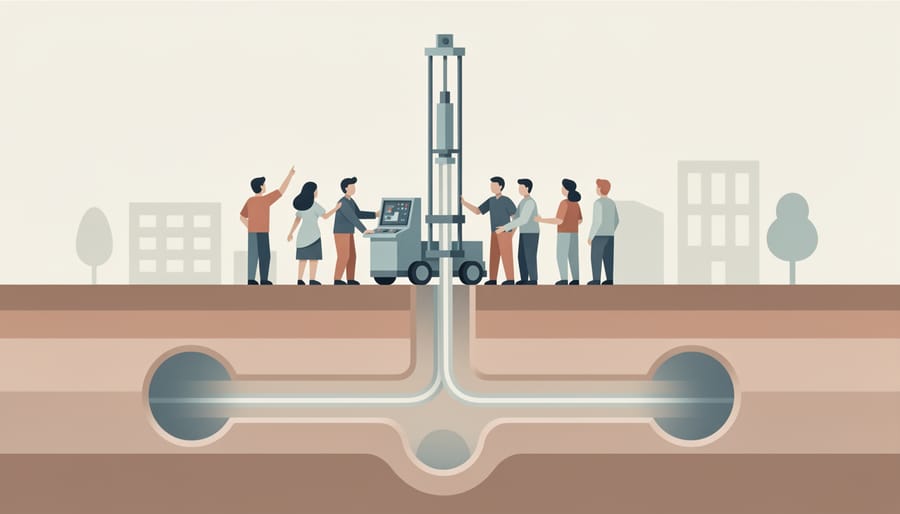
Canada’s underground climate movement needs more than passive support, it needs informed participants ready to contribute skills, curiosity, and advocacy. Whether you’re an engineer, educator, student, or simply someone who cares about how this country tackles climate change beneath the surface, there are meaningful ways to get involved.
Professional networks offer direct pathways into the field. The Canadian Geothermal Energy Association welcomes members from diverse backgrounds, connecting you with researchers, policymakers, and companies developing subsurface thermal solutions. Similarly, organizations like the Petroleum Technology Research Centre (which has pivoted heavily toward carbon storage research) host workshops and publish accessible updates on underground sequestration projects. If you work in geology, engineering, or environmental science, these groups provide both continuing education and collaboration opportunities that align your expertise with climate action.
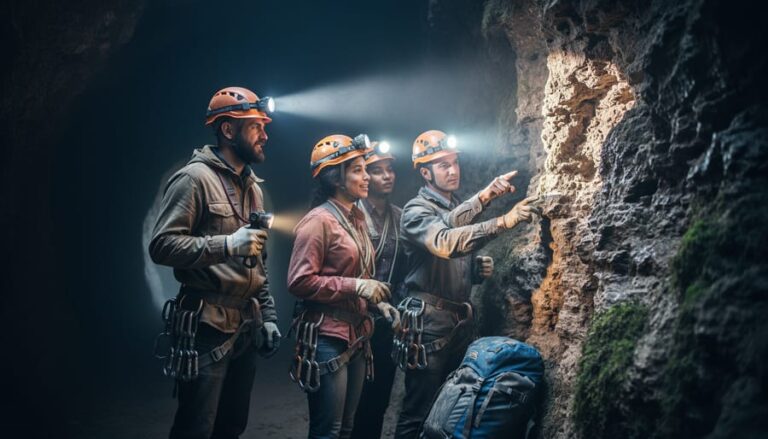
Citizen science projects focused on subsurface monitoring are emerging across the country. Community-based seismic monitoring initiatives, particularly in regions near existing carbon storage sites, allow residents to contribute data while learning how underground injection is tracked and verified. Universities occasionally seek volunteers for field studies related to abandoned mine assessments or geological surveys, tasks that require diligence rather than advanced degrees.
- Join professional associations like the Canadian Geothermal Energy Association or Canadian Society for Civil Engineering’s underground infrastructure groups
- Participate in community monitoring programs near carbon storage or geothermal projects
- Attend public consultations on proposed underground energy or sequestration developments
- Support educational initiatives that bring subsurface climate science into schools and community centers
- Advocate for Indigenous partnership models in underground resource decision-making
Local advocacy matters, too. When underground projects require environmental assessments or municipal approvals, informed community voices can shape outcomes. Attending consultations, asking substantive questions about long-term monitoring plans, and demanding transparent reporting helps ensure projects meet both safety standards and climate goals. This isn’t about blocking innovation, it’s about ensuring it happens responsibly, with community benefit and oversight baked in from the start.
Canada’s underground environment isn’t just rock and soil waiting to be explored, it’s a strategic asset in meeting the commitments forged at COP29 and beyond. The $300 billion annual finance target agreed in Baku creates real momentum for carbon storage, geothermal systems, and innovative uses of our subsurface infrastructure. We’ve got the geology, the engineering know-how, and a growing network of researchers and communities ready to move these solutions from concept to reality.
What makes this moment different is the convergence of international policy support, geological advantage, and grassroots engagement. The UN’s climate framework provides the scaffolding, but it’s informed communities, professionals willing to tackle regulatory challenges, citizens advocating for sustainable projects, and Indigenous partners offering essential knowledge, that will determine whether Canada leads or lags in this niche.
The path forward won’t be simple. COP29’s inability to advance the fossil fuel transition reminds us that progress happens in fits and starts, not straight lines. Yet the potential remains compelling: turning abandoned mines into geothermal resources, storing carbon in sedimentary basins, and building a generation of expertise in subterranean climate solutions.
This is where optimism meets action. The underground climate movement in Canada needs your attention, your questions, and your participation to reach its full potential.






+ There are no comments
Add yours