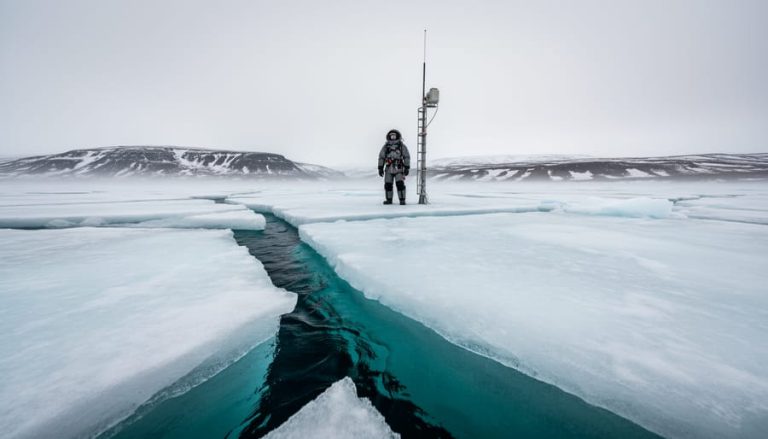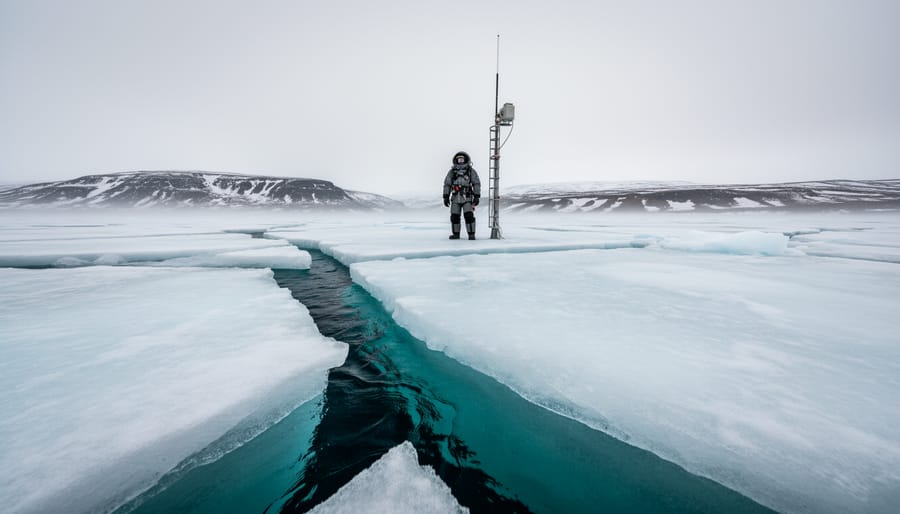

Climate change in the Arctic is the long-term warming of the planet’s northern polar region, which is heating up faster than the rest of the world and reshaping ice, ocean, and land as it goes. Sea ice and glaciers are shrinking, ecosystems on land and at sea are shifting, and Arctic Ocean acidification is emerging as a new threat. Sea ice extent, the total area covered by ice of at least 15% concentration, reached what was likely its annual minimum on September 11, 2024. And even in February 2026, daily extent stayed low, bouncing up and down in short-term swings.
Why should this matter to you, wherever you live? Because the Arctic and subarctic yield a tenth of the global commercial catch, and models point to the possible collapse of some important commercial and subsistence fisheries. Communities that depend on those waters feel the change first.
Here in Canada, the story reaches well below the surface. Frozen ground, the tunnels and mines cut into it, and the energy systems that power northern life all respond to a warming landscape. That’s where SubterraPulse comes in, and where the hopeful part begins. This article explains what’s happening, how it works, and which ideas and technologies are helping people adapt. We’ll also point to ways you can join the conversation and get involved in your own community.
What Climate Change in the Arctic Means in Plain Language
Why the Far North Matters to the Whole Country
For many Canadians, the Arctic can feel like a distant place, but it sits at the heart of the country’s identity. It shapes our maps, our stories, and the way of life in northern communities, where people have lived with the land and ice for generations. What happens there doesn’t stay there.
Warming in the far north is tied to loss of sea ice and glacier coverage, and to shifts in the ecosystems that northern communities rely on. That connects directly to the bigger picture of climate change in Canada which touches every region in different ways.
Here’s the hopeful part: caring for the Arctic is a shared project. When we learn together, listen to northern voices, and back smart green solutions, we all become stewards of a place that belongs to the whole country.
How a Warming Arctic Changes Ice, Ocean, and Land
Reading the Ice: What the Seasonal Cycle Tells Us
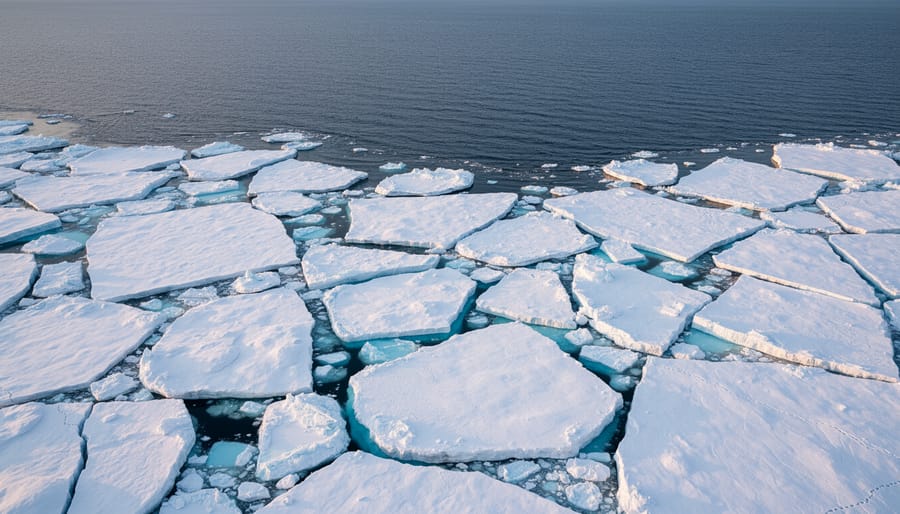
Think of Arctic sea ice as breathing. It swells through the long polar winter, then pulls back as the sun returns, and scientists watch that rhythm closely because it shows how the region is changing from year to year.
The turning point of the cycle is the annual minimum, the day when ice cover shrinks to its smallest extent before the freeze begins again. In 2024, researchers reported that the annual minimum was Sept. 11, 2024. Because that call is based on daily measurements, scientists say the ice “likely” reached its low point that day, and they confirm it only after watching to see whether the ice shrinks any further.
Daily readings don’t move in a straight line, either. Sea ice extent is the total area covered by ice at least 15 percent concentrated, and that number can nudge up or down from one day to the next as winds push floes around and weather shifts. In February 2026, daily extent February 2026 stayed low with short-term fluctuations in both directions.
So what should we take from this? A single day’s bump upward doesn’t signal a recovery, and a single dip doesn’t tell the whole story. The seasonal cycle gives us the pulse, and the longer record shows the trend. Reading both together is how researchers turn a daily number into an honest picture of a changing Arctic.
The Many Faces of Arctic Change: Ice, Water, Life, and Ground
Ocean Acidification: An Emerging Threat
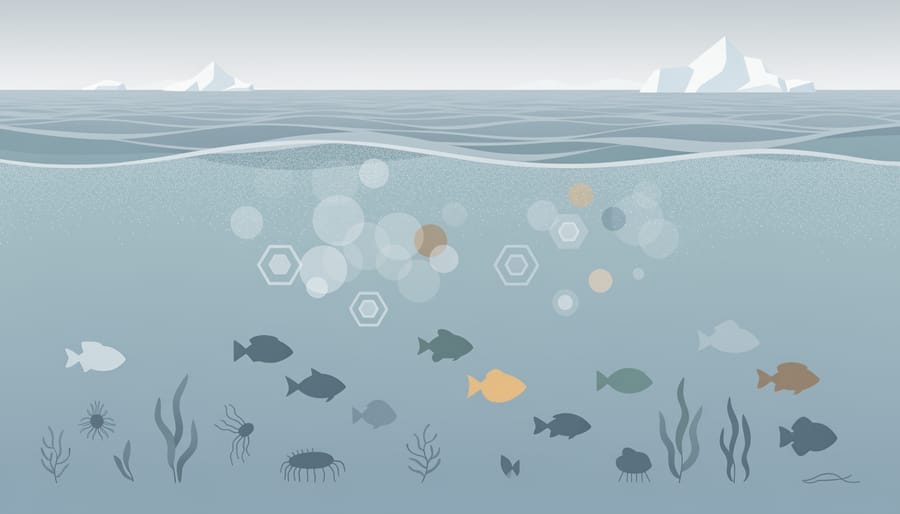
Ocean acidification sounds technical, but the idea is simple. The ocean absorbs carbon dioxide from the air, and as it takes in more, its water becomes more acidic. Think of it like a sponge that slowly changes character the more it soaks up.
In the Arctic, this matters because cold water can hold a lot of dissolved gas, which makes the region especially responsive to these chemical shifts. Researchers describe the issue as emerging because it is still coming into focus. Reports to the Arctic Council, summarized by one source, note that Arctic ocean acidification is emerging alongside continued rapid warming, loss of sea ice and glacier coverage, and changes in marine and land ecosystems.
Why should we care? Changing ocean chemistry can ripple through the food web, from tiny organisms up to the fish that northern communities and global markets depend on. We don’t yet have every answer, and that’s exactly why careful monitoring and ongoing research are so valuable. Each new observation helps scientists, planners, and communities prepare with confidence instead of guesswork.
Fisheries in the Balance
Fish are a big part of why the Arctic matters far beyond the north. The Arctic and subarctic regions together yield a tenth of the global commercial catch, which means changes up there can ripple out to dinner tables and livelihoods well beyond the ice.
That’s why the research deserves attention. As the ocean warms and its chemistry shifts, some models predict fishery collapse for certain important commercial and subsistence fisheries. Subsistence matters here in a personal way, since many northern households rely on fishing for food, not just for income.
It helps to keep the picture balanced, though. These are model projections, which are tools for planning rather than fixed futures. They show where pressure may build, so communities, scientists, and fisheries managers can prepare instead of simply reacting later.
That is the hopeful side of this research. Better monitoring, smarter harvest planning, and adaptation shaped by northern knowledge all give people room to respond. Understanding the risk early is exactly what makes thoughtful, community-led action possible.
How Arctic Climate Science Is Used: From Monitoring to Green Solutions
Weighing Different Paths Forward
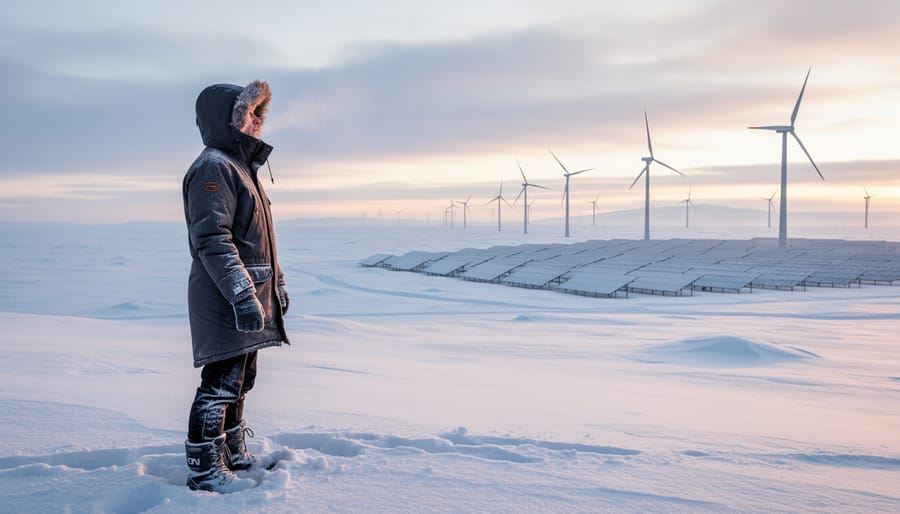
People disagree, sometimes sharply, about which responses to a warming Arctic will work best, and that’s healthy. Researchers following the latest observations of continued rapid warming tend to favour different tools depending on the problem in front of them.
Some champion renewable energy, arguing that cutting emissions at the source is the surest way to ease pressure on ice, ocean, and wildlife. Others put adaptation first, helping northern communities and fisheries prepare for change that is already underway, especially as models suggest some important commercial and subsistence fisheries could be at risk. Technology advocates point to better monitoring and smarter materials, while many northern voices insist that community-led approaches, grounded in local knowledge, should guide every decision.
Underground thinking fits into several of these camps. The benefits of going underground include stable temperatures and protection from harsh surface conditions, and if you’re curious how it all starts, the basics of tunneling are a friendly place to begin. For a look at how global findings translate into Canadian planning, see what the UN climate report means for underground infrastructure.
No single path has to win. The strongest outcomes often come from blending them.
Common Questions About Climate Change in the Arctic
What are the latest findings on rapid warming in the Arctic?
New observations confirm that the Arctic is still warming rapidly. That warming is driving the loss of sea ice and glacier coverage and changing both land and marine ecosystems.
What is Arctic Ocean acidification?
It happens when seawater takes in more carbon dioxide and becomes more acidic. Researchers describe it as an emerging threat in the Arctic Ocean.
What is sea ice extent?
Sea ice extent is the total area of ocean covered by ice with at least 15% concentration. Scientists use it as a consistent way to compare ice cover from one period to the next.
When did Arctic sea ice likely reach its annual minimum extent?
Arctic sea ice likely reached its annual minimum extent on September 11, 2024. In February 2026, daily extent stayed low, with short-term ups and downs in both directions.
Those short answers cover the basics, but they also point to something bigger. The Arctic and subarctic regions yield a tenth of the global commercial catch, and models predict that some important commercial and subsistence fisheries could collapse. That’s a serious finding, yet it’s also a reason for curiosity rather than despair, because better understanding leads to better planning.
If these questions have sparked new ones for you, you’re in good company. Understanding a changing north is a shared effort, and an engaged community can turn that curiosity into real momentum for green ideas and thoughtful stewardship.
Be Part of the Conversation
What’s happening in the Arctic can feel distant, but it isn’t. The same warming that shrinks sea ice and glaciers also shapes the ground, water, and infrastructure that Canadians live and work with every day. That’s exactly why your voice belongs here.
SubterraPulse is built on curiosity, and curiosity grows when people compare notes. If you’ve spent time in northern communities, worked around tunnels or mines, explored caves, or simply wondered how the ground beneath us is changing, we’d love to hear what you’ve seen. Share your experiences in our discussions, ask the questions you’re still puzzling over, and learn from readers who bring a different perspective, whether they favour renewables, adaptation, new technology, or community-led approaches. All of those viewpoints help the conversation grow.
You can also keep an eye out for research participation opportunities. Scientists often welcome help from interested citizens, and even small contributions add up to a clearer picture of a changing north.
Everyday curiosity, thoughtful stewardship, and a willingness to listen are where green innovation starts. Join in, and help shape what comes next.
Understanding climate change in the Arctic is the first step toward doing something about it. We’ve seen how a warming north is reshaping ice, oceans, ecosystems, and even the fisheries that feed people around the world. It’s a lot to take in, but knowledge turns worry into direction.
Here in Canada, our story runs deep, quite literally. From the permafrost beneath northern communities to the tunnels and underground spaces we build and study, what happens in the Arctic touches the ground under our feet. And the same curiosity that drives green technology and renewable energy is already helping us find smarter, kinder ways forward.
You don’t need to be a scientist to play a part. Ask questions, share what you know, and stay curious. Come join the SubterraPulse community, where we explore these ideas together and build a hopeful path ahead.