
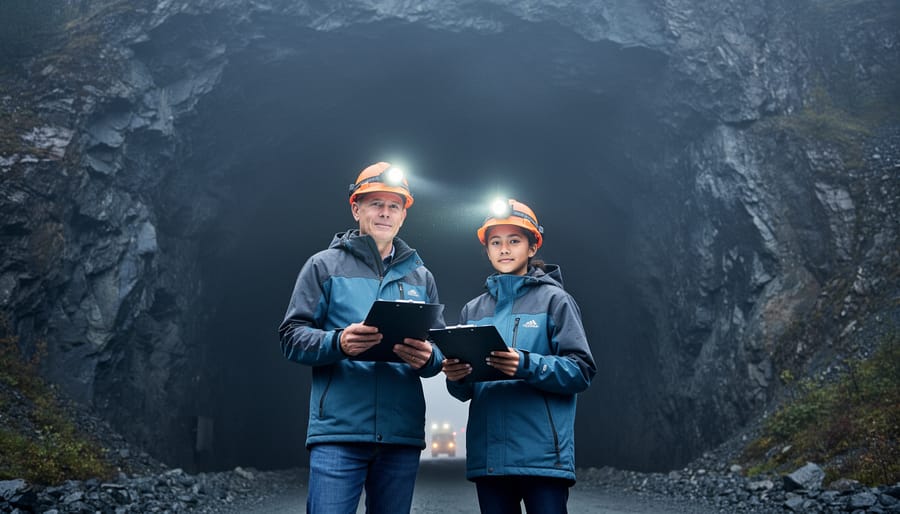

Resource advocacy is the practice of speaking up for responsible stewardship of natural resources, particularly those hidden beneath our feet, through informed engagement with policymakers, industry, and communities. For Canadians, this means actively participating in decisions about mineral extraction, underground infrastructure, geothermal energy development, and sustainable tunneling practices that shape our landscape and future. The approach combines education, public participation in environmental assessments, and collaboration with organizations dedicated to balancing resource use with environmental protection.
Why does this matter now? Canada holds vast underground wealth, from critical minerals essential for renewable energy technologies to aquifers that supply drinking water for millions. These resources face mounting pressure as global demand intensifies and climate solutions require both extraction and conservation. Without informed voices advocating for sustainable practices, decisions default to short-term economic gain rather than long-term ecological health.
The challenge many Canadians face is knowing where to start. Resource advocacy isn’t reserved for geologists or environmental lawyers. It begins with understanding what lies beneath your region, whether that’s the abandoned mine shafts dotting Ontario’s landscape, the proposed geothermal projects in Alberta, or the complex tunnel networks supporting Vancouver’s infrastructure. Each underground environment tells a story of past choices and future possibilities.
Effective advocacy requires bridging technical knowledge with community values. You don’t need a mining engineering degree to question whether a proposed extraction project adequately protects groundwater, but you do need access to clear information and pathways for meaningful input. The most successful resource advocates combine curiosity about underground systems with persistence in asking tough questions during public consultation periods.
This guide walks you through practical strategies for becoming an effective resource advocate, from interpreting environmental impact statements to building coalitions that amplify community concerns. The goal is transforming passive awareness into active participation that shapes how Canada manages its subterranean legacy.
What Resource Advocacy Really Means
Resource advocacy isn’t about standing in front of bulldozers or signing endless online petitions, though those actions have their place. At its heart, resource advocacy means participating thoughtfully in how Canada manages what lies beneath our feet. It’s the process of bringing informed voices into decisions about extracting, protecting, and managing underground resources, from minerals and groundwater to geothermal energy and storage sites.
Think of advocacy as a spectrum of engagement rather than a single dramatic action. On one end sits personal awareness: reading about a proposed mining project in your watershed, understanding what critical minerals actually do, learning how environmental assessments work in your province. This knowledge forms the foundation. As you move along the spectrum, you might attend a town hall meeting about resource development, submit written comments during public consultation periods, or join a local environmental group monitoring extraction practices. Further along, organized collective action takes shape, coalitions working with scientists, Indigenous communities partnering with municipalities, industry roundtables seeking sustainable solutions.
The Canadian context matters here. Our resource decisions happen through specific regulatory frameworks, treaty obligations, and consultation processes that create formal entry points for public input. Resource advocacy means understanding these systems well enough to use them effectively. It’s about showing up prepared with facts, not just feelings, and recognizing that the people across the table, whether government officials, mining company representatives, or fellow community members, often share concerns about environmental protection even when they disagree on solutions.
- Stewardship
- The active, long-term care and responsible management of resources for present needs and future generations, acknowledging that what we extract today affects communities decades from now.
- Stakeholder Engagement
- The structured process of involving all parties with interests in resource decisions, communities, industry, governments, Indigenous nations, and environmental groups, in dialogue before, during, and after development projects.
- Social License
- The ongoing acceptance and approval that communities grant to resource projects, earned through transparency, demonstrated responsibility, and genuine response to concerns. Unlike legal permits, social license must be continuously maintained through action, not just granted once.
- Environmental Justice
- The principle that all communities deserve equal protection from environmental harms and equal access to decision-making about resources, particularly recognizing that marginalized groups often bear disproportionate impacts from extraction activities.
These concepts underpin meaningful advocacy. When you understand stewardship as a multi-generational responsibility, your perspective shifts from immediate battles to sustainable systems. Recognizing stakeholder engagement as a formal process shows you where to direct your energy effectively. The framework of social license explains why companies increasingly seek community approval beyond legal compliance. Environmental justice reminds us that resource advocacy must amplify voices from communities most affected by extraction, not just those with the loudest platforms.
Effective resource advocacy blends passion with pragmatism. It asks difficult questions about trade-offs, how do we access minerals needed for solar panels while protecting groundwater? It challenges both industry practices and simplistic “stop everything” approaches that ignore economic realities for resource-dependent communities. This balanced stance doesn’t make you a sellout. It makes you credible, and credibility opens doors where pure opposition gets shut out.
Canada’s Underground Resources: What’s at Stake
The Green Technology Connection
Canada’s transition to renewable energy depends on what lies beneath our feet. Electric vehicle batteries need lithium, cobalt, and nickel. Wind turbines require rare earth elements for their powerful magnets. Solar panels use silver, copper, and specialized semiconductors. Every clean technology touted as our environmental future starts with minerals extracted from underground.
This creates a genuine paradox: achieving environmental goals requires mining. A single electric car battery contains roughly 10 kilograms of lithium, 14 kilograms of cobalt, and 40 kilograms of nickel. Canada holds significant deposits of all three, plus critical rare earths that China currently dominates. Meeting global clean energy targets will increase demand for these materials by 400 to 600 percent over the next two decades.
The irony isn’t lost on anyone. We can’t build a sustainable future without disrupting the ground to get there. This makes how we extract these resources extraordinarily important, perhaps more important than whether we extract them. Poor mining practices create lasting environmental damage that undermines the clean technology those materials enable.
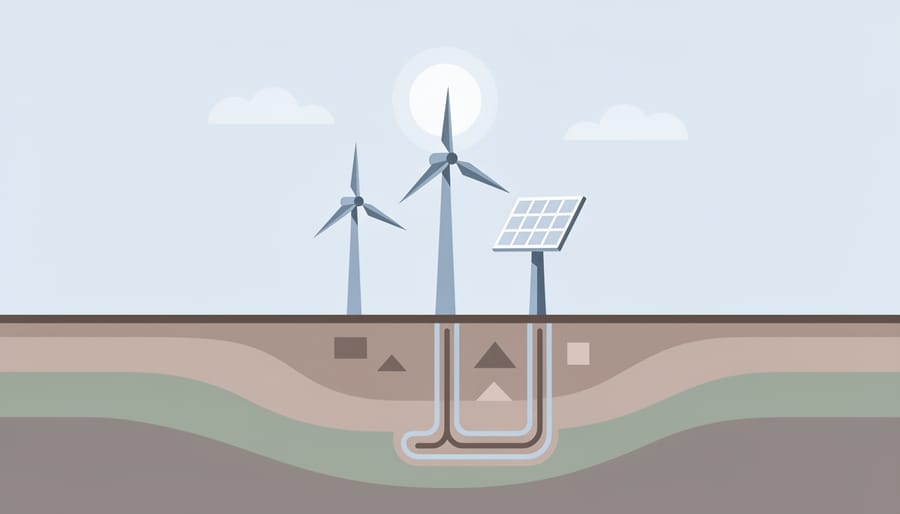
Responsible extraction becomes the bridge between environmental protection and environmental progress. Geothermal energy, for instance, requires drilling expertise adapted from oil and gas, but produces steady renewable power for generations. Underground carbon storage might help reverse climate change, using geological knowledge gained through resource exploration.
The green technology connection transforms resource advocacy from stopping extraction to ensuring it’s done right.
The Indigenous Perspective
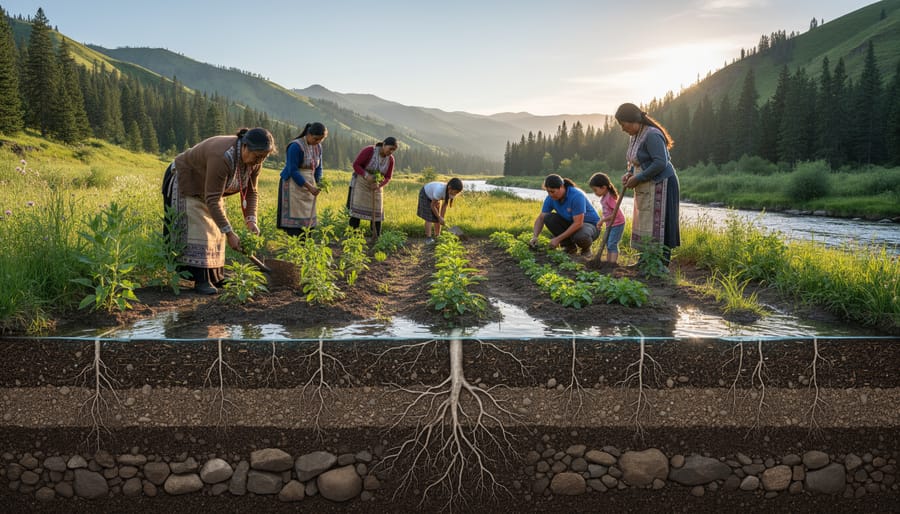
Indigenous peoples across Canada have stewarded lands and subsurface resources for thousands of years, developing sophisticated understandings of geological systems, water cycles, and sustainable extraction practices long before modern mining laws existed. These traditional knowledge systems recognized that what happens underground affects everything above it, a principle that Western science is only recently embracing fully.
Today, Indigenous communities hold constitutionally protected rights regarding resource decisions on their territories, including subsurface minerals and extraction activities. The duty to consult isn’t just a legal checkbox; it represents an evolving recognition that Indigenous peoples are rights-holders, not simply stakeholders, in resource governance. Many First Nations, Métis, and Inuit communities are asserting these rights to ensure development aligns with their values and protects lands for future generations.
Territorial co-management models in Nunavut and the Northwest Territories demonstrate how collaborative governance can work when Indigenous peoples share decision-making authority over resource management. These frameworks integrate traditional ecological knowledge with scientific assessment, creating more comprehensive understanding of environmental impacts and sustainable practices.
Across the country, Impact Benefit Agreements now give Indigenous communities direct say in how projects proceed, from mine design to remediation planning. Some nations have become equity partners in resource projects, ensuring they benefit economically while maintaining environmental oversight. Others have chosen to say no to development entirely, exercising their right to protect sacred sites or critical ecosystems.
For non-Indigenous advocates, supporting Indigenous-led resource stewardship means listening first, recognizing existing governance systems, and amplifying Indigenous voices in policy discussions rather than speaking for them. The strongest advocacy respects that many communities have been protecting these resources since time immemorial, they’re not new to this conversation.
Why Your Voice Matters in Resource Decisions
Resource decisions in Canada don’t happen behind closed doors. Federal and provincial laws require public input at multiple stages, creating real entry points for citizens who know how to use them. When a mining company proposes a new underground project or an energy developer applies for extraction permits, your participation isn’t just welcome, it’s legally mandated in most cases.
Environmental assessment processes form the primary gateway for public influence. Major subsurface projects trigger federal or provincial reviews where community members can submit written comments, speak at hearings, and request additional studies. These assessments examine everything from groundwater impacts to long-term site rehabilitation. Your concerns become part of the official record that regulators must address before approving any project. Companies can’t simply ignore organized community feedback without documented responses showing how they’ve modified plans or mitigated risks.
Community consultation requirements extend beyond formal assessments. Public participation requirements now mandate early engagement, giving communities voice before companies finalize project designs. This timing matters enormously. Raising concerns about aquifer protection during initial planning is far more effective than objecting after infrastructure is already planned. Early advocates shape projects rather than just reacting to them.
The duty to consult Indigenous communities carries constitutional weight, establishing precedent that informed, organized voices do alter outcomes. Recent reforms strengthened Indigenous consultation in assessments demonstrating how sustained advocacy changes policy frameworks themselves.
Policy development offers another leverage point. When governments review mining regulations, update water protection standards, or draft new critical minerals strategies, they seek stakeholder input through discussion papers and consultation periods. Resource advocacy groups that consistently participate in these processes influence the rules that govern all future projects.
Individual voices matter, but organized advocacy amplifies impact. A single concerned citizen raises a question. Twenty citizens asking the same question trigger regulatory scrutiny. Two hundred coordinated submissions demanding specific safeguards often reshape permit conditions. The system responds to persistence and evidence-based arguments, not just numbers, but collective effort demonstrates that community concerns reflect genuine priorities rather than isolated complaints.
Practical Ways to Become a Resource Advocate
Start Where You Are: Local Engagement
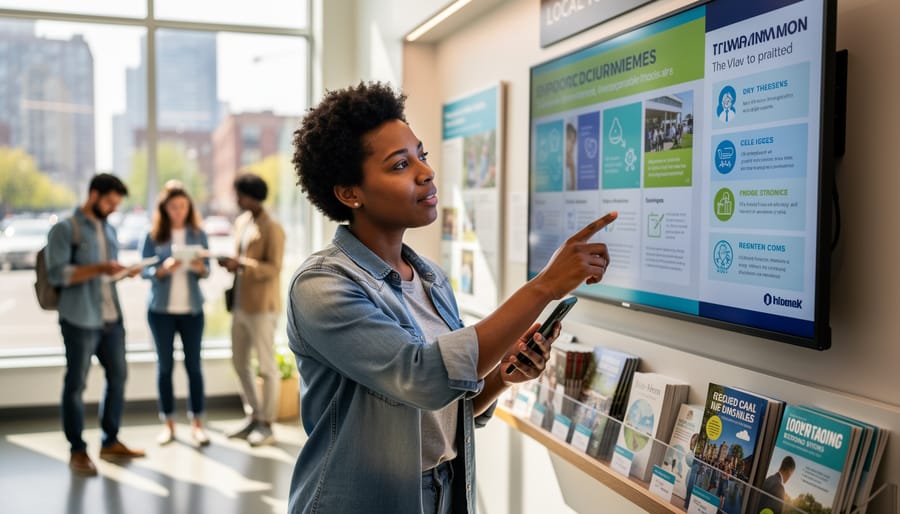
Most resource advocacy begins not with sweeping national campaigns, but with noticing what’s happening in your own backyard. That drilling equipment at the edge of town, the public hearing notice in your community paper, the water quality discussion at the local council meeting, these everyday moments are entry points for meaningful engagement.
Start by getting curious about what’s beneath your feet. Provincial geological surveys maintain publicly accessible databases showing mineral deposits, groundwater systems, and active or proposed extraction sites in your area. A quick search of “[your province] mineral exploration” or “[your region] environmental assessments” often reveals projects you didn’t know existed. Many provinces require companies to post public notices before beginning subsurface work, creating natural opportunities to learn and ask questions.
Community meetings feel intimidating at first, but they’re designed for ordinary citizens, not just experts. Show up, listen, and take notes. You’ll quickly identify which residents have been following the issue closely, which companies are involved, and what specific concerns your neighbours share. Don’t worry about sounding informed on your first visit, asking genuine questions contributes more than staying silent.
Local environmental groups offer ready-made networks of people who already understand regional resource issues. Search online for groups in your municipality or watershed, then attend a meeting or volunteer event. These organizations typically welcome newcomers and appreciate fresh perspectives, especially from people willing to learn alongside experienced advocates.
Building Your Knowledge Base
Learning about underground resources doesn’t require returning to school. Canada offers numerous accessible entry points for curious advocates who want to understand what’s beneath their feet and how it’s managed.
Start with the Geological Survey of Canada’s public resources. Their online maps and plain-language fact sheets explain local geology without overwhelming jargon. Many provinces maintain similar resources, Ontario’s Mineral Deposits Inventory and British Columbia’s MINFILE database let you explore what lies beneath specific regions using address searches and interactive tools.
YouTube channels from universities and environmental organizations break down extraction technologies through visual demonstrations. The Canadian Institute of Mining produces short explainer videos about everything from hard rock mining to critical mineral processing. Watching a five-minute animation often clarifies what a textbook makes confusing.
Local libraries and community centres frequently host geology talks and mine tour events. Conservation authorities run field workshops identifying rock formations and understanding watershed connections to underground systems. These hands-on experiences build intuition that online reading can’t match.
For regulatory frameworks, the Impact Assessment Agency of Canada maintains a public registry where you can follow real environmental assessments. Reading actual submissions from companies, Indigenous groups, and environmental organizations reveals how decisions unfold and where public input matters most.
Community colleges offer non-credit evening courses in environmental science and natural resources. Many mining associations provide free public education programs, though approach these with awareness of their industry perspective alongside independent environmental sources.
Finding Common Ground: Advocacy That Builds Bridges
Resource advocacy doesn’t require choosing between environmental protection and economic survival. The most effective advocates understand that sustainable resource management creates opportunities for both, and that communities depending on mining, extraction, or energy industries need solutions that work in the real world, not just on paper.
Canada’s resource-dependent communities often face unfair characterizations in advocacy discussions. Workers in underground mining towns, geothermal energy regions, or critical mineral extraction areas aren’t environmental villains. They’re people supporting families, building careers, and contributing to economies that fund schools, hospitals, and infrastructure. Dismissing these realities sabotages advocacy before conversations even begin.
The bridge-building approach starts with genuine listening. When communities express concerns about job security, local economic impacts, or the practicality of proposed changes, these aren’t obstacles to overcome, they’re essential information for designing workable solutions. Effective advocates ask questions: What would make stricter environmental standards feasible for your operation? What support would help your community transition toward cleaner extraction methods? How can we protect water systems while maintaining employment?
“The breakthrough came when we stopped debating whose concerns mattered more and started designing solutions that addressed everyone’s legitimate needs, that’s when real progress became possible.”
This collaborative approach has delivered concrete results across Canada. In British Columbia, mining companies, environmental groups, and First Nations communities developed shared water monitoring systems that protect watersheds while allowing operations to continue with greater transparency. Northern Ontario saw unions, conservation organizations, and mining operators jointly advocate for modernized extraction technology that reduced environmental footprints and improved worker safety simultaneously. Saskatchewan’s geothermal development projects emerged from dialogues where environmental advocates and energy companies identified overlapping interests in sustainable baseload power.
These successes share common elements: early engagement before positions harden, willingness to acknowledge trade-offs honestly, focus on specific technical solutions rather than abstract principles, and recognition that “no” isn’t always realistic while “business as usual” isn’t acceptable.
Bridge-building advocacy also means understanding industry constraints. Operators can’t implement changes overnight that require capital investment, regulatory approvals, or technology that doesn’t yet exist at scale. Advocates proposing phased transitions with clear timelines and acknowledging economic realities gain credibility that pure opposition never achieves.
The goal isn’t compromise that satisfies nobody, it’s innovation that creates better outcomes than anyone initially imagined. When environmental advocates bring technical expertise to the table alongside community knowledge and industry operational understanding, solutions emerge that protect ecosystems, support livelihoods, and advance Canada’s reputation for responsible resource management. That’s advocacy that builds lasting change rather than temporary victories that collapse when political winds shift.
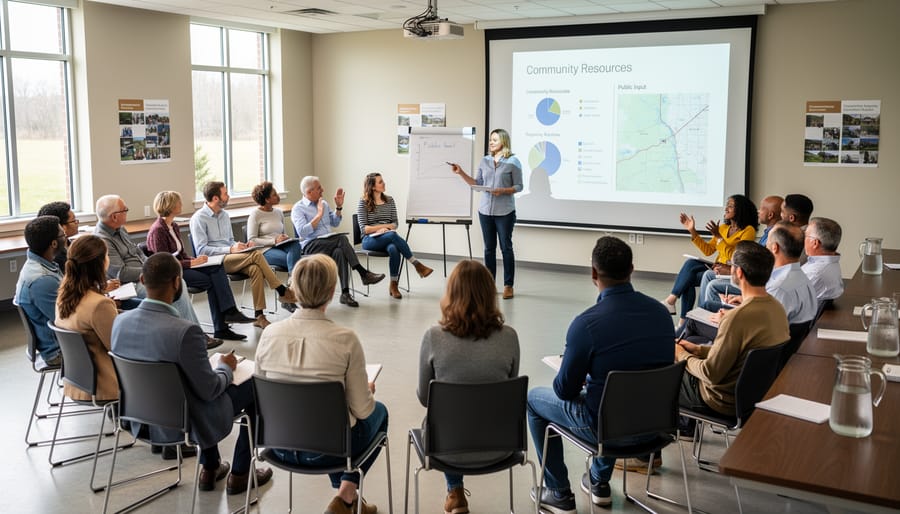
Community Success Stories Across Canada
Real change happens when communities stand up for responsible resource management. Across Canada, ordinary citizens have transformed how underground resources are developed, proving that advocacy creates tangible results.
In Northern Ontario’s Ring of Fire region, Indigenous communities partnered with mining companies to redesign proposed chromite extraction projects. Rather than opposing development outright, leaders from Matawa First Nations negotiated environmental monitoring protocols that give communities direct oversight of water quality and land disturbance. The collaborative framework includes Indigenous expertise in environmental assessment and guarantees that traditional knowledge guides site remediation. This approach delayed initial timelines but created a model where economic development respects ecological limits.
British Columbia’s Mount Polley mine disaster in 2014 sparked province-wide advocacy for mining reform. Community groups documented how inadequate tailings dam oversight led to the catastrophic failure. Their persistent pressure resulted in the province’s Independent Expert Engineering Investigation and Review Panel, which recommended sweeping changes to mining regulations. By 2018, B.C. had implemented new tailings storage requirements and independent dam safety reviews. The advocacy coalition didn’t just react to disaster, they built enduring institutional safeguards.
Saskatchewan’s geothermal advocacy tells a different story. When government and industry overlooked the province’s underground heat potential, a grassroots coalition of farmers, municipalities, and renewable energy advocates commissioned independent geological studies. They presented evidence at energy planning hearings and worked with researchers to map viable geothermal zones. Their efforts contributed to Saskatchewan’s 2023 Geothermal Resource Development Act, opening pathways for sustainable heating projects that reduce reliance on fossil fuels.
Quebec’s urban underground presents unique challenges. Montreal residents formed neighbourhood coalitions when aging infrastructure threatened groundwater contamination. They tracked municipal planning processes, demanded transparent reporting on subsurface construction projects, and pushed for comprehensive aquifer protection policies. Their advocacy resulted in the city’s 2025 Underground Water Management Plan, which requires environmental impact studies for any major excavation affecting water tables.
These examples share common threads: communities educated themselves about technical realities, engaged persistently through official channels, sought collaborative solutions when possible, and never accepted “trust us” as sufficient oversight. Success didn’t require unanimous opposition or perfect scientific expertise, just committed people refusing to let decisions about their underground resources happen without meaningful input.
Join the SubterraPulse Community
SubterraPulse exists because resource advocacy works better when we learn and act together. This platform brings together Canadians who care about our underground resources, whether you’re taking your first steps in advocacy or you’ve been engaged for years.
When you join SubterraPulse, you’re connecting with a community that shares your commitment to responsible resource management while respecting the economic realities facing Canadian communities. Members range from geology enthusiasts and environmental professionals to concerned citizens and Indigenous knowledge keepers, all contributing perspectives that strengthen our collective understanding.
The platform offers multiple ways to participate:
- Discussion forums where you can ask questions, share local insights, and learn from others’ advocacy experiences
- Collaborative research projects that help document underground resources and environmental impacts in your region
- Advocacy campaigns that amplify community voices during regulatory consultations and policy development
- Educational webinars featuring experts in geology, sustainable extraction, and Indigenous resource stewardship
- Regional networks that connect you with advocates working on similar issues in your area
What makes SubterraPulse different is the emphasis on bridge-building rather than battle lines. You’ll find space for nuanced conversations that acknowledge complexity, recognizing that protecting our underground environment and supporting resource-dependent communities aren’t opposing goals.
Start by creating your profile and introducing yourself in the New Members forum. Share what brought you to resource advocacy and what you hope to learn. You’ll quickly discover that others have faced similar questions and can point you toward relevant resources, ongoing projects, or local groups aligned with your interests. The community thrives on mutual support, turning individual concern into collective action that shapes Canada’s resource future.
Resource advocacy isn’t reserved for experts or activists with decades of experience. It starts with curiosity about what lies beneath our feet and a willingness to ask questions about how those resources shape our communities and our future.
Canada’s underground wealth will continue playing a vital role in our economy and our transition to cleaner energy. The question isn’t whether we’ll extract these resources, but how we’ll do it, and who gets to influence those decisions. Every voice adds perspective, every question demands better answers, and every engaged citizen makes the decision-making process stronger.
You don’t need to become a geologist or quit your job to make a difference. Attending one community meeting about a local project matters. Reading an environmental assessment and submitting a thoughtful comment matters. Sharing what you learn with neighbours matters. These small actions, multiplied across communities, create the informed public discourse that leads to better outcomes.
The most effective advocacy happens when people recognize shared interests rather than drawing battle lines. Communities need economic opportunities. Future generations need a livable planet. These goals aren’t mutually exclusive when people engage constructively with the complexities involved.
Your first step might feel small, but it’s essential. Join a conversation, learn about a project, connect with others who share your values. Canada’s underground resources belong to all of us, which means we all have both the right and the responsibility to help shape how they’re managed.







+ There are no comments
Add yours