
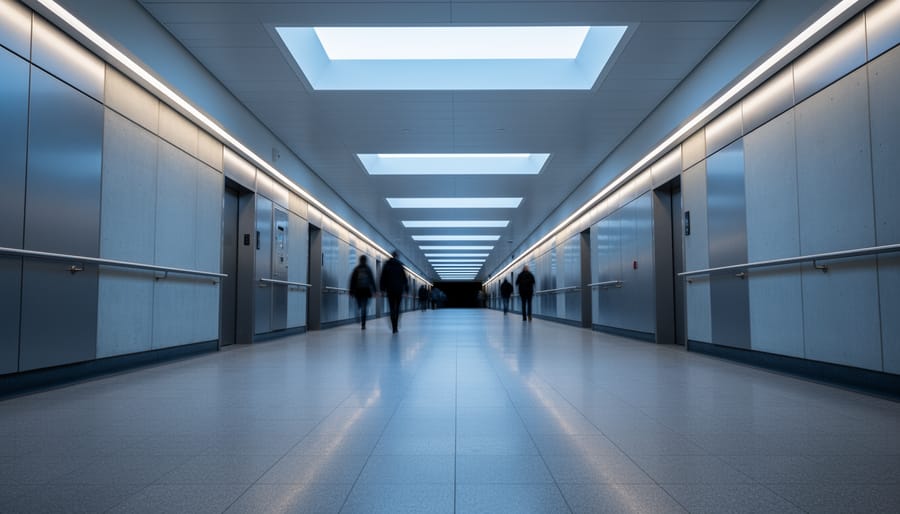

Underground spaces are human-made or naturally occurring cavities beneath the Earth’s surface that have been adapted for practical use, ranging from transportation tunnels and storage facilities to entire commercial networks and resource extraction sites. These subterranean environments represent one of humanity’s most innovative responses to urban density, climate challenges, and the need to preserve surface landscapes.
What makes underground spaces particularly relevant for Canadians in 2026 is their dual promise of climate resilience and sustainability. As our cities grow denser and our winters remain formidable, going beneath the surface isn’t just practical but increasingly essential. Underground development minimizes surface disruption, protects agricultural land and natural habitats, and offers year-round temperature stability that dramatically reduces heating and cooling costs.
From the iconic PATH system connecting downtown Toronto to the innovative use of abandoned mines for renewable energy storage, Canadian underground spaces tell a story of adaptation and ingenuity. These aren’t dark, forgotten places. They’re vibrant hubs of commerce, transportation arteries moving millions of commuters, and industrial sites extracting resources that power our economy.
This article explores what underground spaces actually are, how engineers create and maintain them in challenging geological conditions, the major categories you’ll encounter across Canada, and the remarkable ways communities from coast to coast are using them to build more sustainable, resilient cities. Whether you’re curious about the engineering marvels beneath your feet or interested in how underground development can address environmental challenges, understanding these hidden landscapes reveals a crucial dimension of Canadian innovation.
What Underground Spaces Really Are
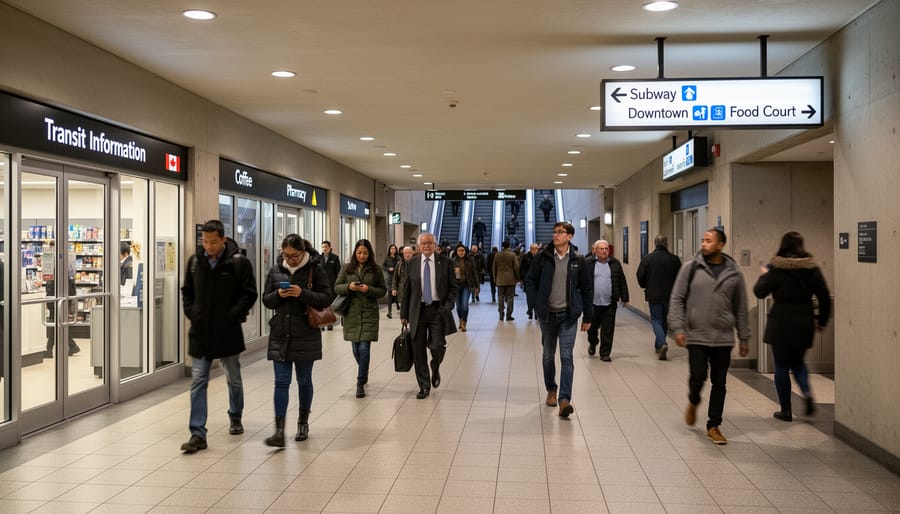
Underground spaces are any areas located beneath the earth’s surface, whether created by nature over millions of years or carved out by human engineering. In Canada, these environments range from shallow basements and transit tunnels just below city streets to mine shafts reaching over two kilometers into bedrock. They can be as small as a single storage vault or as expansive as Montreal’s RÉSO, a 33-kilometer pedestrian network linking buildings across downtown.
Both natural and constructed underground spaces share one defining characteristic: they exist within the three-dimensional volume beneath ground level. Natural examples include limestone caves, lava tubes, and groundwater aquifers carved by geological processes. Human-made spaces encompass everything from subway stations and utility corridors to research laboratories and strategic storage facilities. What separates a simple hole in the ground from a true underground space is its intentional use and the engineering required to make it safe and functional.
- Subsurface infrastructure
- The network of constructed systems located below ground level, including utilities, transportation tunnels, and communication lines that support urban life.
- Underground void space
- Any hollow area beneath the surface, whether natural (caves, aquifer cavities) or human-made (mined chambers, tunnels), measured by its volume and structural stability.
- Excavated caverns
- Large underground chambers deliberately created through mining, blasting, or tunneling, typically used for storage, research, or industrial operations.
- Geotechnical depth classifications
- The engineering categories that define underground environments based on depth, affecting construction methods, costs, and environmental conditions.
Engineers and geologists divide underground environments into three depth zones, each presenting distinct challenges and opportunities. Shallow subsurface spaces, from ground level to 30 meters down, include most urban infrastructure like parking garages, pedestrian tunnels, and utility lines. They’re easiest to access and maintain but must contend with surface temperature swings and groundwater fluctuations.
Intermediate depth spaces, spanning 30 to 100 meters, host deeper subway lines, mining operations, and specialized storage facilities. These depths offer more stable temperatures and reduced surface interference, though construction costs rise significantly. Deep underground environments, anything beyond 100 meters, represent the most challenging category. Canada’s deepest mines push past 2,000 meters, where rock pressure, heat, and ventilation requirements demand sophisticated engineering. Research facilities like SNOLAB in Sudbury sit at 2,100 meters specifically because the rock mass above shields sensitive experiments from cosmic radiation.
These depth distinctions matter because they dictate construction methods, operational costs, safety protocols, and which applications make practical sense. A data center benefits from shallow access and moderate costs, while a nuclear waste repository requires deep isolation from surface ecosystems.
How Underground Spaces Work in Practice
Site Assessment and Geology
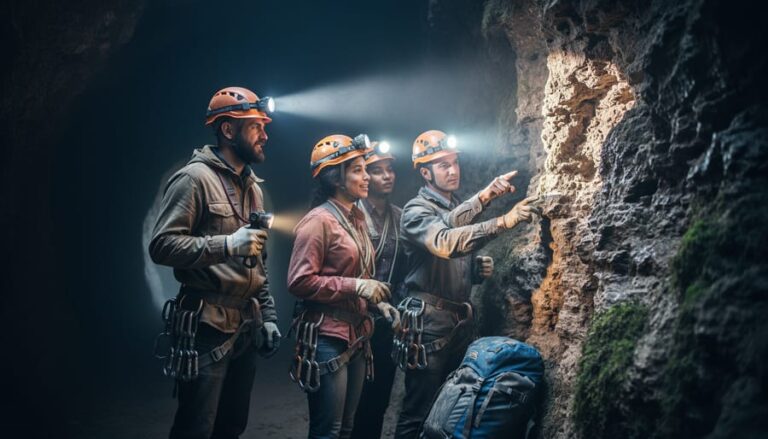
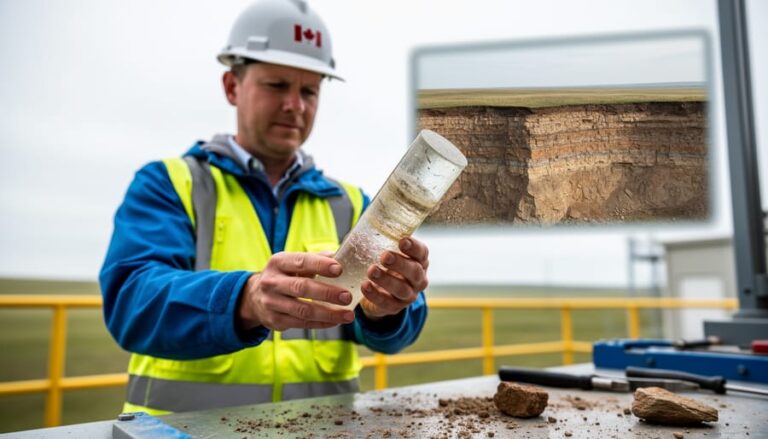
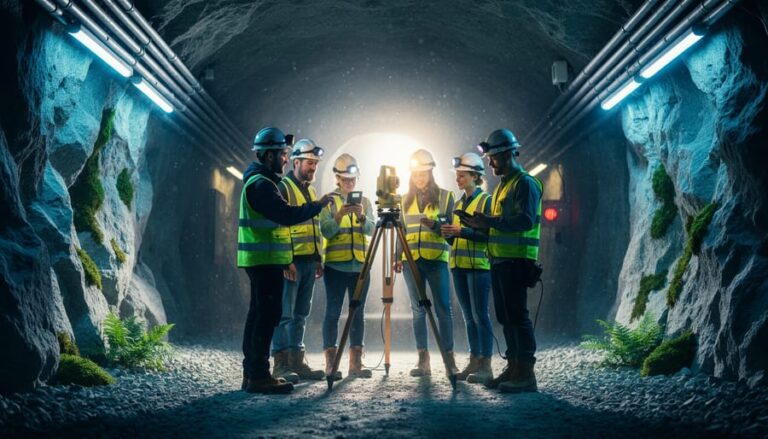
Before any underground project breaks ground in Canada, engineers must read the subsurface like a three-dimensional map. They start by drilling test boreholes to extract core samples that reveal bedrock type, fracture patterns, and soil layers. A project in Toronto’s sedimentary bedrock requires entirely different approaches than one in Sudbury’s hard granite or Vancouver’s seismically active terrain.
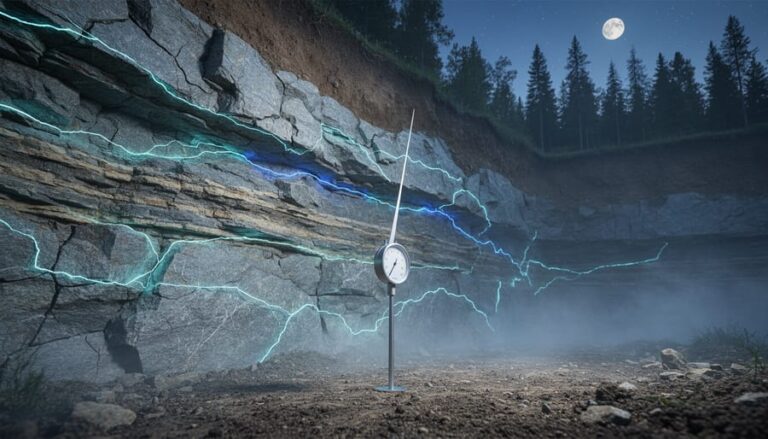
Geological mapping identifies fault lines, bedrock strength, and the presence of challenging features like karst formations or unstable clay deposits common in parts of Quebec and Atlantic Canada. Engineers measure rock mass quality using systems that rate fracture density and mineral composition, which directly affects how much structural support an underground space will need.
Groundwater presents one of Canada’s biggest underground challenges. Hydrogeological surveys track water tables, flow patterns, and seasonal variations. High groundwater levels mean constant pumping and waterproofing costs. In permafrost regions of Northern Canada, engineers must also account for ground ice and the effects of thawing on stability.
This assessment phase typically takes months but prevents catastrophic failures. Getting the geology wrong underground is far more expensive and dangerous than any upfront investigation.
Construction and Maintenance
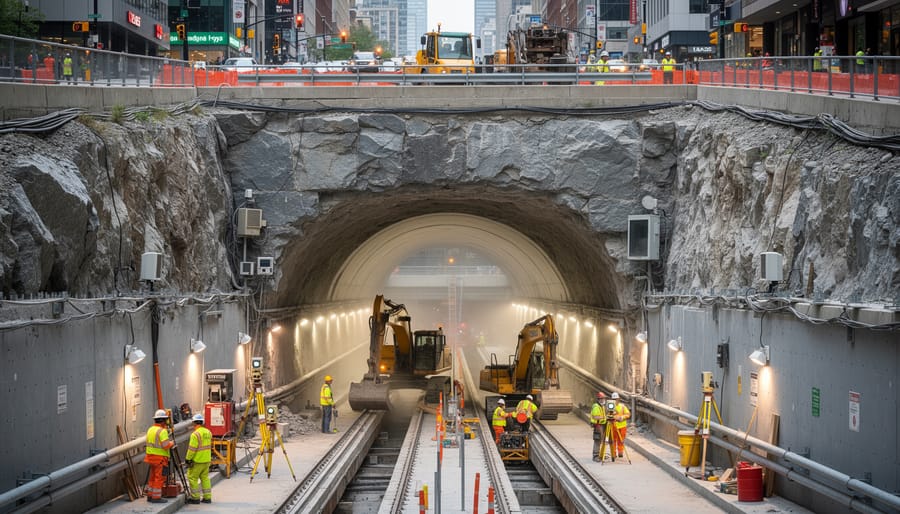
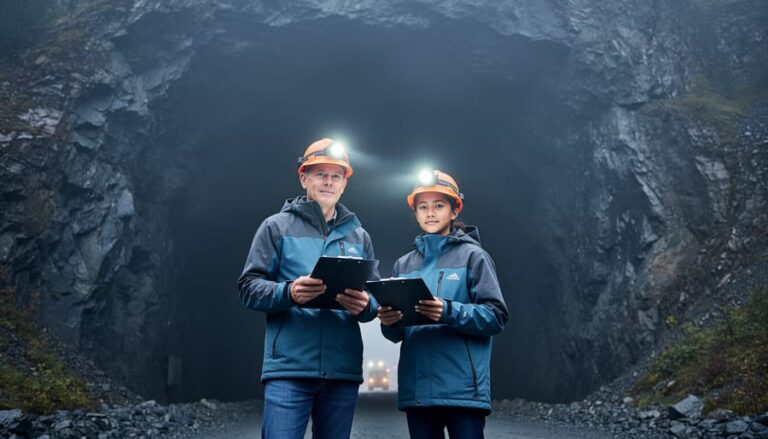
Building and maintaining underground spaces in the Canadian environment demands specialized approaches that account for permafrost, extreme temperature swings, and challenging bedrock conditions. The construction phase typically begins with one of three primary excavation methods: drill-and-blast for hard rock like the Canadian Shield, tunnel boring machines for long continuous passages beneath cities like Toronto and Montreal, or cut-and-cover techniques for shallower infrastructure that can be accessed from the surface.
Once excavated, these spaces require robust infrastructure to remain functional year-round:
- Ventilation systems that exchange air and prevent buildup of radon or other gases
- Drainage networks to manage groundwater seepage and seasonal melt
- Seismic monitoring equipment, particularly in earthquake-prone regions like British Columbia
- Temperature regulation systems that leverage stable subsurface conditions while preventing ice formation
Maintenance represents an ongoing commitment rather than an afterthought. Canadian underground facilities undergo continuous monitoring through sensor networks that track structural shifts, air quality, moisture levels, and temperature fluctuations. In permafrost regions, thermal management becomes critical, active refrigeration systems prevent thaw that could destabilize surrounding rock or soil. Operators schedule regular inspections of support structures, since freeze-thaw cycles at tunnel entrances can stress concrete and steel more aggressively than in milder climates.
The northern regions present unique challenges where ground temperatures vary dramatically between seasons. Engineers design flexible systems that adapt to these changes, using insulation strategies and active heating or cooling as needed. This adaptive approach differs markedly from underground construction in temperate zones, reflecting Canada’s geographic diversity and the specialized expertise required to work beneath its surface.
Categories of Underground Spaces Across Canada
Urban Infrastructure Networks
Canada’s major cities have transformed their underground environments into extensive infrastructure networks that move millions of people, deliver essential services, and create sheltered spaces year-round. These systems represent some of the country’s most impressive engineering achievements, built to withstand harsh winters while reducing surface congestion.
Toronto’s subway system stretches across 77 kilometers of tunnels, carrying over 200 million passengers annually through bedrock and clay layers beneath one of North America’s busiest urban centers. Vancouver’s SkyTrain includes underground segments that navigate challenging coastal geology, while Montreal operates the second-busiest metro system in Canada with 71 stations serving diverse neighborhoods.
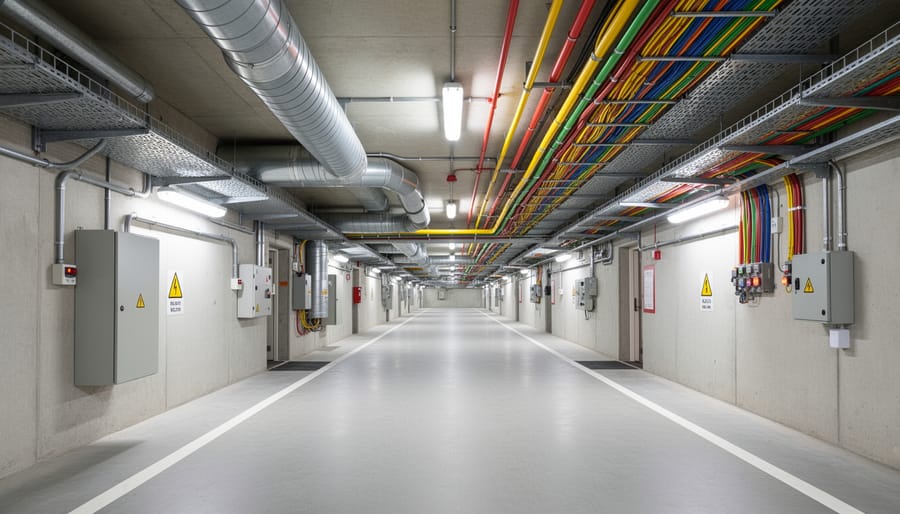
Beyond transit, utility corridors snake beneath Canadian streets, housing water mains, electrical conduits, telecommunications cables, and steam heating pipes. These shared tunnels allow maintenance crews to access critical infrastructure without tearing up roads repeatedly, a practical advantage in cities where freeze-thaw cycles already stress surface pavements.
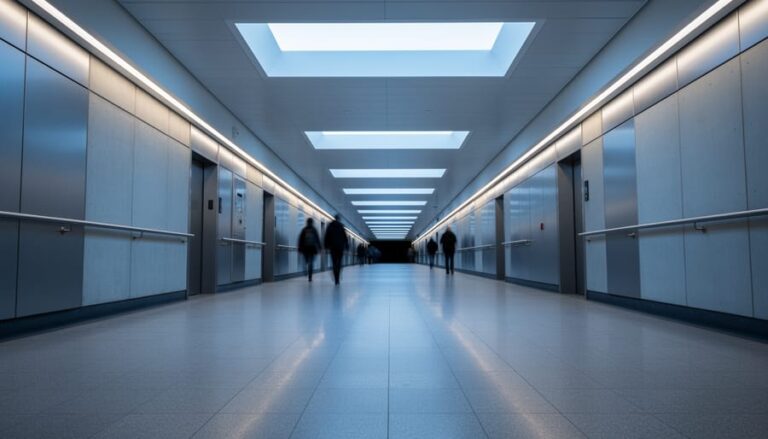
Montreal’s RÉSO stands out as the world’s largest underground pedestrian network, connecting 33 kilometers of climate-controlled walkways to metro stations, shopping complexes, offices, and universities. More than 500,000 people use it daily during winter months, transforming how residents navigate downtown without exposure to temperatures that regularly drop below minus 20 Celsius.
Underground parking facilities add another layer, with multi-level structures carved beneath commercial districts to preserve valuable surface land for parks, plazas, and buildings rather than asphalt lots.
Resource Extraction Facilities
Canada’s mining sector operates some of the planet’s most impressive underground facilities, with active mines reaching depths that would swallow skyscrapers whole. Ontario’s Kidd Creek Mine extends roughly 2,900 meters below surface, deeper than eight CN Towers stacked end to end, while Quebec’s LaRonde Complex pushes past 3,000 meters. Saskatchewan’s potash mines, though shallower at 900-1,000 meters, span vast horizontal networks extracting minerals from ancient seabeds.
These aren’t just extraction sites anymore. Modern Canadian mines increasingly integrate sustainable practices that earlier operations never considered. Ventilation systems now recover waste heat for surface facilities. Some operations test renewable energy integration to reduce diesel dependence in underground equipment. Water management systems treat and recycle mine water rather than simply pumping it away.
The shift matters because resource extraction leaves permanent underground voids that outlast the mining operation itself. Forward-thinking operators now plan secondary uses during the extraction phase, repurposing worked-out sections for research facilities, equipment testing, or even experimental energy storage. It’s a practical response to the reality that these engineered spaces, once created at enormous expense, represent infrastructure that shouldn’t simply be abandoned when the ore runs out.
Storage and Industrial Uses
Canada’s underground spaces serve crucial storage and industrial functions that capitalize on the natural stability and security of subsurface environments. Natural gas storage facilities carved into depleted reservoirs and salt caverns across Alberta and Ontario hold strategic reserves that balance seasonal demand fluctuations, essential when winter heating needs spike. These geological formations provide sealed containers that keep massive volumes of gas pressurized and ready for distribution.
Strategic petroleum reserves occupy similar underground sites, protected from surface threats and temperature extremes. Beyond energy, Canada’s subsurface hosts specialized archives where national records and cultural artifacts benefit from constant cool temperatures and protection from fire or flood. The shift toward underground data centers has accelerated recently, with facilities in Quebec and Ontario leveraging naturally cool rock to reduce cooling costs for server farms by up to 40 percent compared to surface buildings.
Temperature-controlled warehousing carved into bedrock offers pharmaceutical companies and food distributors consistent environments without the energy penalty of conventional refrigeration. These industrial applications transform geological features into functional assets, proving that what lies beneath Canadian soil delivers practical value across multiple sectors.
Research and Special-Purpose Facilities
Canada hosts some of the world’s most specialized underground facilities, designed for scientific research and long-term environmental management that simply can’t happen on the surface.
SNOLAB, located 2 kilometres beneath Sudbury, Ontario, stands as the deepest clean-room laboratory in North America. Its extreme depth shields sensitive particle physics experiments from cosmic radiation, making it essential for dark matter research and neutrino studies. Scientists from around the globe use this converted nickel mine to explore fundamental questions about the universe.
Nuclear waste repositories represent another critical application. The Deep Geological Repository project near Kincardine, Ontario, proposes storing low and intermediate-level radioactive waste 680 metres underground in stable rock formations that have remained undisturbed for hundreds of millions of years. These facilities require geological stability, isolation from groundwater systems, and long-term containment that only deep underground environments can provide.
Emerging experimental installations explore geothermal energy capture and underground hydrogen storage in depleted oil and gas reservoirs. These projects leverage Canada’s geological diversity, testing whether subsurface spaces can support the transition to renewable energy while maintaining environmental safety standards across decades or centuries.
How Underground Spaces Are Put to Work in Canada
Sustainable Energy Solutions
Canada’s underground environments maintain remarkably stable temperatures year-round, typically between 8°C and 12°C below the frost line, creating natural opportunities for energy-efficient heating and cooling systems. Geothermal heat pumps tap into this consistency by circulating fluid through buried pipe loops, extracting warmth in winter and depositing excess heat in summer. Unlike air-source systems that struggle during extreme Canadian winters, ground-source installations deliver reliable performance when temperatures plummet to -30°C.
Several Canadian cities now employ borehole thermal energy storage, where seasonal heat gets banked underground during warmer months and retrieved when needed. Drake Landing Solar Community in Alberta pioneered this approach, storing summer solar heat in subsurface wells to warm 52 homes through winter with 90% solar fraction. The system uses deep boreholes drilled 35 meters down, demonstrating how underground spaces function as thermal batteries.
Mining operations are exploring innovative repurposing too. Flooded mine shafts in Ontario and Quebec hold potential as massive underground reservoirs for pumped hydro storage, electricity drives water upward during surplus generation, then gravity pulls it down through turbines during peak demand. These projects face regulatory hurdles and require careful environmental assessment, yet they represent creative thinking about how abandoned underground infrastructure might support renewable energy grids. The stable subsurface environment reduces energy loss compared to surface storage, while existing excavations eliminate some construction costs and geological uncertainty.
Climate Adaptation and Urban Resilience
Canadian cities face intensifying climate pressures, heat waves that strain cooling systems, winter cold snaps that test infrastructure, and precipitation extremes that overwhelm surface drainage. Underground spaces offer practical responses to these challenges by leveraging stable subsurface temperatures and creating protected infrastructure corridors.
Toronto’s PATH network demonstrates this resilience daily. During January’s -20°C cold and July’s 35°C heat, its underground passages maintain comfortable conditions without extreme energy inputs, keeping 200,000 daily commuters moving regardless of surface weather. Montreal’s RÉSO serves a similar function across 33 kilometers of tunnels.
Below ground, stormwater management systems now include detention chambers that capture sudden downpours, preventing surface flooding while slowly releasing water into treatment facilities. Calgary and Edmonton have expanded subsurface retention infrastructure to handle the region’s increasingly volatile precipitation patterns.
Underground thermal energy storage systems work like seasonal batteries. They bank winter cold or summer heat in bedrock or aquifers, then extract it months later for heating or cooling buildings. This approach cuts peak energy demand when weather extremes hit hardest, making power grids more reliable during climate-driven stress events.
Environmental Protection Applications
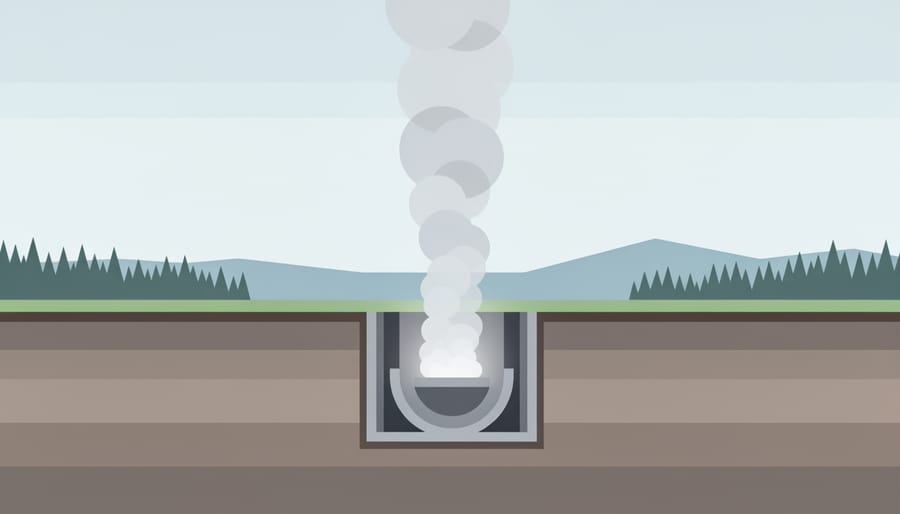
Canada’s stable geological formations make underground spaces particularly valuable for environmental protection. Deep geological repositories contain nuclear waste and hazardous materials where thick rock layers provide natural barriers against contamination. Ontario’s Bruce Nuclear Generating Station stores low-level radioactive waste in engineered rock caverns 680 metres below Lake Huron, taking advantage of ancient limestone that’s remained geologically stable for 450 million years.
Underground wastewater treatment facilities operate beneath several Canadian cities, processing sewage while preserving surface land for parks and development. These facilities maintain consistent temperatures year-round, improving treatment efficiency and reducing energy costs compared to surface plants.
Carbon capture and storage represents an emerging application. Western Canada’s sedimentary basins, the same formations that hold oil and natural gas, can trap captured CO2 deep underground. Alberta’s Quest project already stores over one million tonnes of carbon dioxide annually in porous rock formations more than two kilometres down, sealed beneath impermeable caprock layers.
The containment isn’t foolproof. Monitoring systems track potential leaks, and critics question long-term safety over geological timescales. Yet underground storage removes certain environmental hazards from surface ecosystems, and Canada’s Precambrian Shield and sedimentary basins offer some of the planet’s most secure natural containment.
The Environmental Benefits and Challenges
Underground development presents a compelling sustainability story, but it’s not a simple one-size-fits-all solution. The subsurface offers genuine environmental advantages that Canadian cities increasingly rely on to meet climate goals and preserve surface ecosystems.
Moving infrastructure underground dramatically reduces the surface footprint of development. Toronto’s underground PATH system, for instance, removes thousands of daily commuters from street-level congestion while protecting 30 kilometers of potential surface development for green space instead. Underground facilities also take advantage of the earth’s natural insulation, stable year-round temperatures between 8-12°C at depths below 10 meters mean significantly lower heating and cooling costs compared to surface buildings. This thermal stability has made underground data centers in Quebec competitive with traditional facilities while slashing energy consumption by up to 40%.
Land preservation ranks among the most significant benefits. By tucking utilities, transit, and storage beneath existing urban areas, cities avoid sprawling into agricultural land or natural habitats. Vancouver’s underground stormwater management systems protect watersheds while keeping parks and recreational areas intact above ground.
However, underground construction carries its own environmental costs and ongoing challenges:
- Excavation disrupts soil layers, groundwater flow, and subsurface ecosystems during initial development
- Removing millions of cubic meters of material requires disposal and generates substantial carbon emissions from equipment and transport
- Groundwater contamination risks persist throughout a facility’s operational life, demanding constant monitoring
- Long-term structural maintenance needs can span decades or centuries, with uncertain future oversight
- Remediation and decommissioning costs often fall to future generations if planning proves inadequate
The trade-offs become clearer when you consider competing perspectives. Environmental groups in Ontario have raised concerns about proposed underground natural gas storage near sensitive aquifers, arguing that surface renewable infrastructure poses fewer long-term risks. Engineers counter that proven geological containment, when properly monitored, offers safer storage than surface alternatives vulnerable to extreme weather events.
What’s becoming evident across Canadian projects is that environmental stewardship requires upfront geological assessment, transparent community consultation, and binding commitments to multi-decade monitoring programs. The Darlington Nuclear Waste Management facility debate illustrates this tension, proponents emphasize the safety of deep geological repositories backed by 60 years of monitoring data, while critics question whether any institution can guarantee oversight across the 100,000-year containment timeline radioactive materials demand.
The path forward isn’t about declaring underground development universally green or problematic. It’s about matching specific underground applications to appropriate geological conditions, building in robust environmental safeguards from day one, and maintaining honest conversations about both the benefits we gain and the responsibilities we accept when we move critical infrastructure beneath our feet.
Common Questions About Underground Spaces in Canada
Underground spaces naturally spark curiosity about everything from basic safety to long-term viability. Here are answers to questions Canadians frequently ask about the subsurface infrastructure beneath their feet.
Are underground spaces in Canada safe?
Yes, modern underground facilities in Canada meet rigorous safety standards enforced by provincial and federal regulators. These spaces incorporate multiple ventilation systems, emergency exits, fire suppression technology, and continuous structural monitoring to ensure occupant safety.
How do underground spaces maintain comfortable temperatures?
The earth naturally insulates at depths below 10 meters, maintaining stable temperatures around 8-12°C year-round in most of Canada. Facilities use this baseline for efficient heating and cooling rather than fighting extreme surface temperatures.
Can the public visit underground facilities?
Many underground spaces welcome visitors, including Montreal’s RÉSO network, Toronto’s PATH system, and guided tours at facilities like the Diefenbunker Museum. Research labs and utility infrastructure typically remain restricted for safety and security reasons.
What makes Canada particularly suitable for underground development?
Canada’s ancient bedrock, particularly the Canadian Shield, provides exceptionally stable geology for excavation. The country also has expertise from decades of mining and harsh winters that make underground infrastructure economically attractive.
How much does underground construction cost compared to surface building?
Underground projects typically cost 1.5 to 3 times more upfront than comparable surface structures, but long-term savings on heating, cooling, and land use often offset initial expenses within 15-25 years.
Do underground spaces worsen or help climate change?
When designed thoughtfully, underground infrastructure reduces climate impacts by lowering energy consumption for temperature control, preserving surface green space, and enabling geothermal energy systems that don’t rely on fossil fuels.
Will more Canadian cities develop underground networks?
Yes, cities like Calgary, Edmonton, and Vancouver are actively exploring underground expansion for transit, utilities, and climate-adaptive infrastructure. Population density and winter weather drive continued interest in subsurface development.
What happens to groundwater when we excavate underground?
Engineers manage groundwater through dewatering systems during construction and waterproofing afterwards. Modern projects include ongoing monitoring to prevent contamination and maintain natural aquifer flows around structures.
These fundamentals cover most everyday concerns, but underground space development continues evolving. As Canadians increasingly recognize the practical benefits of subsurface infrastructure, questions shift from “Is this safe?” to “How can we expand this responsibly?” That curiosity drives innovation in sustainable underground design and connects communities with the hidden landscapes supporting modern Canadian life.
Canada’s underground frontier represents one of the most promising avenues for sustainable development in the coming decades. From Toronto’s evolving underground transit networks to experimental geothermal projects in the Prairies, we’re already seeing how thoughtful subsurface design addresses urban density, climate adaptation, and resource management challenges simultaneously.
What makes this moment particularly exciting is the convergence of improved tunneling technology, better geological mapping, and a national commitment to reducing surface environmental impacts. Underground spaces aren’t just solving problems, they’re opening possibilities we’re only beginning to imagine.
SubterraPulse invites you to be part of this exploration. Whether you’re an engineer curious about new applications, a sustainability advocate interested in climate solutions, or simply someone fascinated by what lies beneath our feet, there’s a place for your perspective. Join our discussion forums to share observations about underground spaces in your community, participate in upcoming research surveys about public attitudes toward subsurface development, or contribute local knowledge that helps map Canada’s hidden infrastructure.
The future of Canada’s underground environments will be shaped by informed, engaged communities. As we continue uncovering innovative uses for these spaces, from carbon storage to urban cooling systems, your questions, concerns, and ideas matter. Start exploring today, and discover how the ground beneath Canada holds answers to some of our most pressing challenges.





+ There are no comments
Add yours