
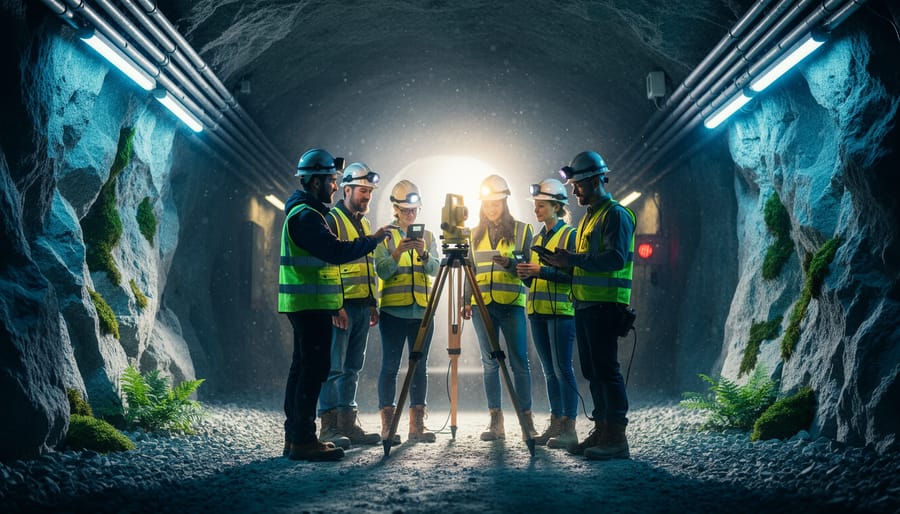

An engaged community transforms passive interest into meaningful action, where members actively contribute their time, knowledge, and energy to shared goals rather than simply observing from the sidelines. In the context of exploration and environmental sustainability, this distinction matters enormously. Surface-level participation delivers little lasting impact, while genuine engagement creates the collaborative momentum needed to tackle complex challenges facing Canadian underground environments and green infrastructure projects.
The difference shows up in tangible ways. Engaged communities don’t just read about geothermal potential or abandoned mine reclamation. They map underground spaces, share technical insights, advocate for sustainable development, and help shape the future of these hidden landscapes. Members feel ownership because they’re genuinely involved in discovery and problem-solving, not relegated to spectator status.
What makes this level of participation possible? The answer lies in removing barriers to entry while creating clear pathways for contribution at every skill level. Someone passionate about heritage preservation can document historical tunnel systems. A renewable energy professional can analyze geothermal data. A student can learn surveying techniques while supporting field research. The thread connecting these diverse roles is simple: everyone brings value, and everyone grows through participation.
Canadian underground spaces offer unique opportunities for this kind of engagement because they sit at the intersection of history, sustainability, and technological innovation. These environments demand collaborative stewardship. The question isn’t whether to get involved, but how to channel your specific interests and abilities into collective progress that benefits both community and planet.
What Makes a Community Truly Engaged?
An engaged community operates on a fundamentally different level than a collection of passive followers or occasional visitors. While an audience might read your content and move on, an engaged community actively shapes the conversation, challenges assumptions, and creates value beyond what any single person could achieve alone.
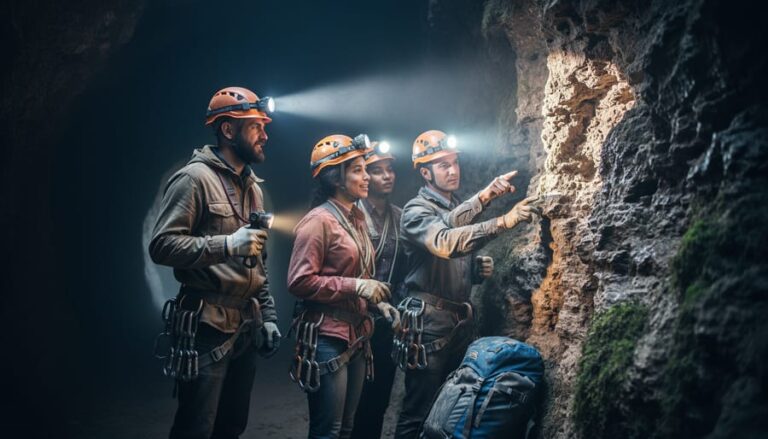
The distinction lies in participation depth and reciprocal relationships. True engagement happens when community members don’t just consume information, they question it, build on it, share their own experiences, and help others navigate challenges. In the context of underground exploration and sustainable innovation, this means experts offering technical insights, history enthusiasts uncovering forgotten tunnel systems, and environmental advocates proposing greener approaches to subterranean development.
Several defining traits separate genuinely engaged communities from simple follower counts:
- Two-Way Dialogue
- Conversations flow in multiple directions, with members responding to each other and initiating discussions rather than waiting for prompts from a central authority. Questions spark debates that reveal new perspectives on tunnel preservation or renewable energy integration.
- Shared Values and Purpose
- Members rally around common goals, whether protecting Canada’s underground heritage, advancing green technology, or solving specific exploration challenges. This alignment creates cohesion beyond individual interests.
- Active Contribution
- Community members regularly share research, field observations, technical solutions, and lessons learned. They invest time because they see their input making a tangible difference to collective knowledge.
- Collective Problem-Solving
- Complex challenges get tackled collaboratively, with diverse expertise combining to address issues no single person could solve. An engineer’s technical knowledge pairs with a historian’s context and an environmentalist’s sustainability framework.
- Trust and Accountability
- Members develop reputations based on their contributions and reliability. This social capital encourages higher-quality participation and self-policing against misinformation or superficial engagement.
What makes this especially powerful in underground exploration communities is the specialized nature of the subject matter. People passionate about subterranean environments often possess rare knowledge and experience. When they find others who share that curiosity about what lies beneath our feet, the engagement intensifies because the alternative, isolation in a niche interest, feels limiting.
Engaged communities also demonstrate resilience and adaptability. They evolve as new challenges emerge, whether that’s documenting threatened tunnel systems before development destroys them or evaluating novel approaches to geothermal energy extraction. The community’s collective intelligence responds faster and more creatively than any individual could manage.
The SubterraPulse Model: Engagement Through Shared Discovery
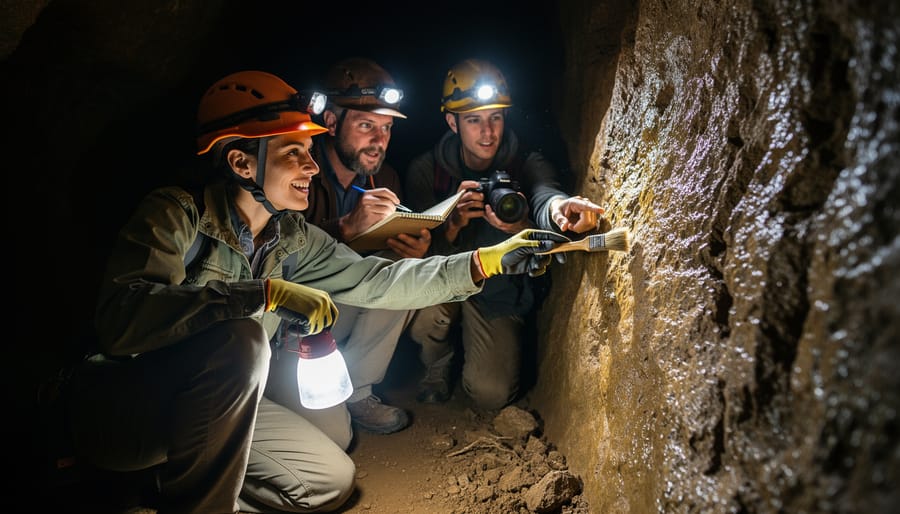
SubterraPulse demonstrates how a platform built around genuine curiosity transforms casual interest into active participation. Rather than broadcasting information to passive readers, it creates spaces where exploration enthusiasts, sustainability researchers, and underground heritage advocates collaborate on shared discoveries beneath Canadian soil.
The model works because it invites contribution at every level. Someone fascinated by Montreal’s forgotten utility tunnels can share historical photos or archived documents. An engineer working on geothermal systems in Vancouver might post technical insights about heat exchange efficiency in different rock formations. A high school teacher in Toronto could coordinate student projects mapping local underground infrastructure. Each contribution adds value while connecting contributors to others pursuing related questions.
This approach builds engagement through reciprocity. When a member posts research about Halifax’s tunnel networks, they receive feedback from civil engineers, amateur historians, and urban planners, each bringing distinct perspectives. That exchange often sparks follow-up investigations, collaborative mapping projects, or field documentation trips. The platform becomes less about consumption and more about co-creation.
Specific engagement pathways make participation tangible rather than abstract. Monthly “Underground Spotlight” features invite community members to document lesser-known subterranean sites, with detailed submission guidelines and peer recognition for quality contributions. Quarterly webinars connect researchers working on parallel projects across different provinces, fostering partnerships that extend beyond digital space. Regional working groups tackle focused challenges, from cataloging abandoned mine ventilation systems to assessing retrofit potential in decommissioned transit tunnels for sustainable cooling networks.
The discussion forums organize around themes rather than rigid categories, encouraging cross-pollination between seemingly separate interests. A thread about Toronto’s PATH system attracts not just urban planners but also accessibility advocates, retail analysts studying underground commerce, and climate researchers examining temperature regulation benefits. These intersections generate insights no single discipline would produce alone.
Progress tracking makes collective impact visible. When community members collaborate to map unmapped tunnel systems or document at-risk underground heritage, the platform highlights these achievements, demonstrating how individual contributions accumulate into substantive knowledge resources. Recognition comes not from follower counts but from advancing shared understanding of Canada’s subterranean landscapes and their sustainability potential.
Why Underground Exploration Creates Unique Community Bonds
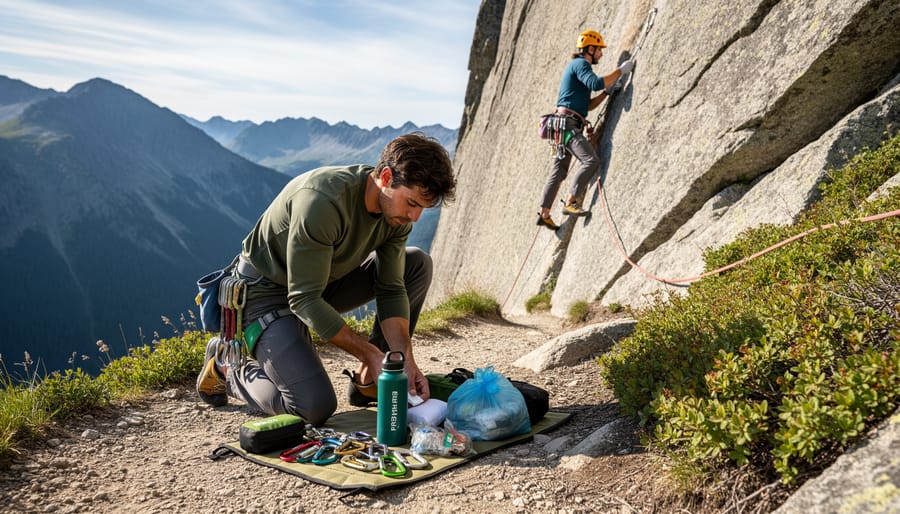
Underground exploration attracts people who aren’t satisfied with surface-level understanding. When you venture below ground, whether physically or through research, documentation, and advocacy, you join a select group willing to look deeper, literally and figuratively. This shared willingness to explore hidden spaces creates bonds that casual interest groups rarely achieve.
The technical nature of underground environments demands collaboration. Understanding tunnel engineering requires geological knowledge. Assessing subterranean sustainability means grasping hydrology, thermal dynamics, and infrastructure planning. No single person masters it all, so community members naturally complement each other’s expertise. The retired civil engineer who remembers 1970s Montreal Metro construction shares insights with the environmental scientist modeling groundwater systems, who connects with the historian documenting forgotten utility tunnels. This interdependence builds genuine relationships.
Curiosity about what lies beneath also carries emotional weight. Underground spaces hold stories, wartime shelters, prohibition-era passages, Indigenous seasonal dwellings, Victorian engineering marvels. When communities preserve and document these hidden narratives, members feel they’re safeguarding something larger than themselves. That sense of collective stewardship strengthens engagement.
The environmental angle adds urgency without pessimism. Underground exploration today isn’t just about discovering old tunnels. It involves identifying opportunities for geothermal energy, sustainable water management, and climate-resilient infrastructure buried beneath our cities. Members who recognize this potential see themselves as part of a practical solution, not just hobbyists. They’re advancing green technology through shared knowledge.
Niche communities also offer refuge from surface noise. When mainstream conversations feel shallow or polarized, going underground, both literally in exploration and figuratively into specialized knowledge, provides focus. Members appreciate the depth, the technical rigor, and the respectful exchange that comes from shared passion rather than algorithmic trends.
From Passive Reader to Active Contributor: The Engagement Journey
Nobody joins a community and becomes its most active contributor overnight. The journey from silent observer to engaged community member unfolds naturally through distinct stages, each one building confidence and connection.
Most people start as lurkers, browsing content, reading discussions, absorbing information about underground tunnels or green technology without leaving a trace. There’s nothing wrong with this phase. You’re learning the community’s culture, understanding what interests you most, and discovering whether the values align with yours. In SubterraPulse’s case, you might spend weeks reading about Toronto’s PATH system or geothermal innovations before feeling ready to participate.
The shift to active engagement typically begins with small, low-risk actions. You ask a clarifying question in a discussion thread. You share a relevant article you discovered. You upvote a post that resonates with your experience. These micro-contributions feel manageable, but they’re significant because you’ve moved from consumption to participation.
- Begin by commenting on existing discussions about topics you already know well, offering your perspective or a thoughtful question.
- Share relevant resources you’ve discovered, a documentary about Montreal’s underground city, a research paper on sustainable tunneling methods, that others might appreciate.
- Propose a specific question or topic you’d like the community to explore, moving from responding to initiating conversation.
- Contribute original content based on your unique knowledge or local access, whether that’s photographs of heritage tunnels or insights from your sustainability work.
- Take on a regular commitment such as moderating discussions, organizing local meetups, or leading a research initiative that serves the broader community.
The final stage, becoming a community leader, happens when you start creating structures that help others engage. You might organize a documentation project for abandoned rail tunnels in your region, launch a mentorship program pairing newcomers with experienced explorers, or spearhead an advocacy effort for preserving underground heritage sites.
What’s crucial is that you don’t need to force this progression or rush through stages. Genuine engagement grows from authentic interest, not obligation. Some people find their sweet spot at stage two or three and contribute meaningfully for years at that level. Others discover leadership roles align perfectly with their skills and passion.
The beauty of an engaged community focused on exploration and sustainability is that every level of participation matters and creates value for others.
The Ripple Effect: How Engaged Communities Drive Environmental Innovation
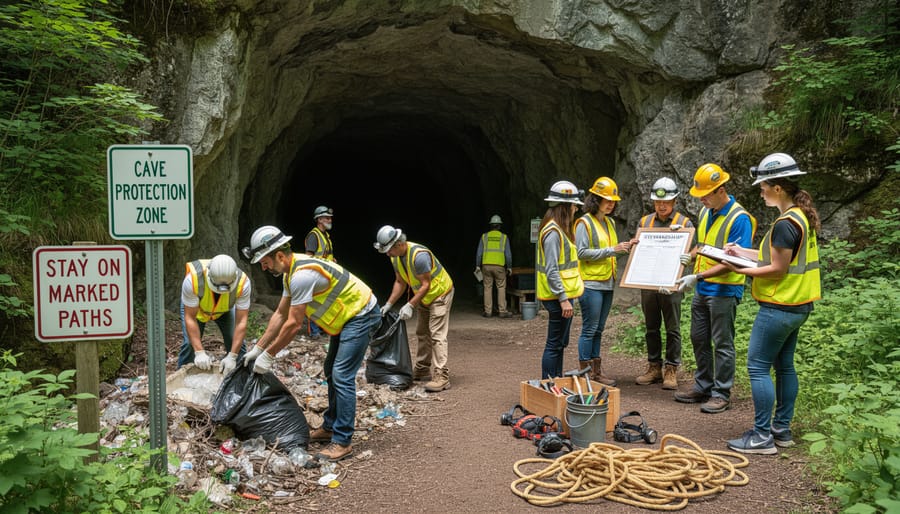
When people with shared passions come together, the results often exceed what any single organization or individual could accomplish alone. Engaged communities around underground exploration and sustainability have already demonstrated this power across Canada and beyond.
Take Montreal’s abandoned infrastructure network. A community of historians, engineers, and urban explorers didn’t just document forgotten tunnels, they convinced municipal authorities to preserve sections as educational sites. Their collective research, public presentations, and persistent advocacy transformed what might have been demolished into protected heritage. This outcome stemmed directly from coordinated effort and shared expertise that no single voice could have achieved.
Green technology adoption accelerates when communities actively test, discuss, and refine solutions. SubterraPulse members sharing real-world experiences with geothermal systems in different soil conditions provide data that manufacturers use to improve product design. When dozens of engaged users report specific performance patterns, those insights shape the next generation of sustainable technology. The conversation moves beyond marketing claims to practical understanding.
Policy shifts follow similar patterns. Ontario’s recent updates to underground infrastructure guidelines incorporated input from community forums where engineers, environmentalists, and public safety experts debated best practices. Policymakers recognized that engaged stakeholders had already worked through the trade-offs and technical details, making informed decisions easier.
These ripple effects share common elements: sustained attention rather than fleeting interest, willingness to contribute knowledge freely, and recognition that collective intelligence beats isolated expertise. Small actions compound. A single forum discussion about sustainable tunneling methods might influence five projects. Those projects generate case studies that inform ten more. Documentation preserves techniques that would otherwise be lost.
The pattern repeats: engaged communities identify problems early, prototype solutions collaboratively, and amplify successes through their networks. Environmental progress needs this sustained, distributed effort, not just occasional enthusiasm.
Building Your Own Engagement Practice in 2026
Starting your own engagement practice doesn’t require grand gestures. Begin by identifying one environmental or exploration topic that genuinely sparks your curiosity, maybe it’s geothermal energy potential beneath Canadian cities, or the history of railway tunnels in your region. Let that interest guide your first actions.
Set aside fifteen minutes twice weekly for meaningful participation. Comment thoughtfully on articles, ask questions that advance discussions, or share relevant observations from your local area. Quality matters more than frequency. One substantive contribution that adds new perspective or information strengthens the engaged community far more than a dozen generic reactions.
Consider documenting your learning journey publicly. Start a thread tracking your exploration of a specific underground topic, share photos from heritage site visits, or compile resources you’ve found useful. This transparency invites others to learn alongside you and creates valuable reference material for newcomers. You’re not claiming expertise, you’re demonstrating active curiosity, which is the foundation of community engagement.
Look for contribution opportunities that match your skills. Strong researchers can verify claims or hunt down primary sources. Writers can draft guides or summarize technical papers for broader audiences. Visual thinkers might create diagrams explaining complex sustainability concepts. Local knowledge holders can connect historical dots others might miss.
Engage with generosity. When someone asks a question you can answer, respond helpfully. When you disagree, explain your reasoning respectfully. When you learn something valuable from another member, acknowledge it. These micro-interactions build trust and reciprocity, the infrastructure of engaged communities.
Finally, commit to showing up consistently for three months. Engagement patterns take time to establish, but regular presence transforms you from visitor to valued community member.
The trajectory of environmental progress doesn’t follow a straight line, it spirals outward from communities of people who care enough to show up, share knowledge, and push ideas forward. Canada’s underground environments, from historic tunnels to cutting-edge geothermal projects, need that same energy. They need your curiosity about what lies beneath, your questions about sustainable innovation, and your willingness to contribute what you know or want to learn.
Being part of an engaged community isn’t about expertise or credentials. It’s about choosing participation over observation. The conversations happening right now around subterranean exploration, green technology, and heritage preservation will shape how we approach these spaces for decades. Your voice adds dimension to those discussions.
SubterraPulse exists because underground exploration thrives when people connect around shared fascination and real-world impact. Whether you join a discussion thread, share a photo from a local tunnel tour, contribute research insights, or simply ask the question others are wondering about, you’re building something larger than any single project or discovery. You’re helping create the collective knowledge and momentum that turns possibility into action.
The next step is yours to take. Start wherever your interest leads you.






+ There are no comments
Add yours