


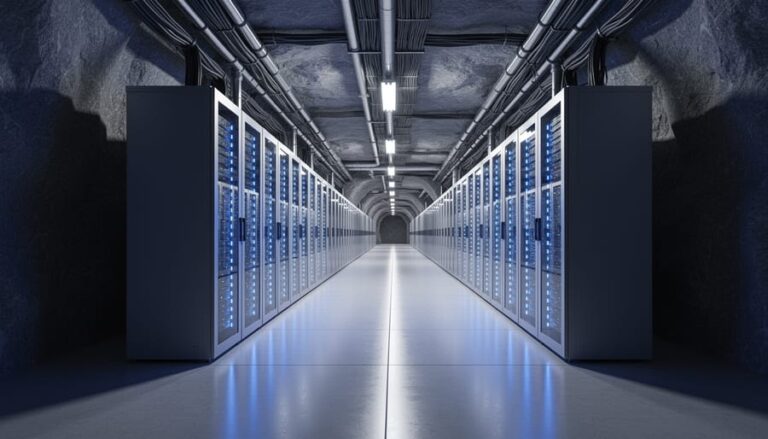
Deep beneath the Canadian Shield, where temperatures remain constant year-round and renewable energy flows abundantly, a technological revolution is transforming how live casino providers deliver real-time gaming experiences. Companies like rico bet are exploring underground data centres as the next frontier in sustainable digital infrastructure, combining cutting-edge technology with environmental responsibility in ways that benefit both business and planet.
The concept might sound futuristic, but it’s grounded in practical advantages. Underground facilities maintain naturally cool temperatures between 10-15°C, slashing cooling costs by up to 80% compared to traditional surface data centres. For live casino operators streaming high-definition video feeds to thousands of simultaneous players, this efficiency translates into reduced energy consumption and lower carbon footprints. Canada’s abundant hydroelectric power further sweetens the equation, enabling these facilities to run on nearly 100% renewable energy.
What makes Canada particularly suited for this innovation? Our country possesses extensive underground infrastructure, from decommissioned mines to purpose-built caverns, offering secure, climate-controlled environments with minimal surface footprint. These spaces protect sensitive equipment from extreme weather events increasingly common in our changing climate, while providing enhanced security for valuable data operations.
This emerging industry represents more than technological advancement. It’s a blueprint for reconciling digital growth with environmental stewardship, proving that innovation and sustainability can thrive together beneath our feet.

The Live Casino Industry’s Growing Energy Problem
How Live Casino Technology Actually Works
Live dealer casino games represent a fascinating convergence of entertainment and cutting-edge technology. Unlike traditional online gaming that relies on random number generators, these platforms stream real dealers operating actual roulette wheels, blackjack tables, and other games from professional studios. Here’s where things get technically impressive: each gaming table requires multiple high-definition cameras capturing different angles simultaneously, allowing players to zoom in on cards or watch the roulette ball drop in real-time.
This creates massive data demands. A single live casino stream can transmit 3-8 Mbps per player, and popular providers serve thousands of concurrent users across dozens of tables. The servers must process video encoding, handle player interactions, manage betting interfaces, and ensure zero lag – because even a one-second delay can disrupt gameplay and erode trust.
The infrastructure behind this seamless experience generates substantial heat. Rows of powerful servers running 24/7 produce thermal output comparable to industrial furnaces. Traditional data centres spend roughly 40% of their energy budget just on cooling systems, using air conditioning units that work constantly to prevent equipment failure.
This is precisely why underground facilities offer such compelling advantages. The naturally cool temperatures found below ground – typically ranging from 10-15°C in Canadian substrata – provide passive cooling that dramatically reduces energy consumption. For live casino providers handling continuous real-time operations, this translates into both environmental benefits and operational cost savings that make underground locations increasingly attractive.
The Cooling Crisis Nobody Talks About
Here’s a number that might surprise you: traditional data centres consume roughly 40% of their total energy just keeping servers cool. That’s nearly as much power going to air conditioning as to the actual computing! For live casino operations streaming high-definition video feeds 24/7, this cooling challenge becomes even more intense.
Picture this: banks of servers generating heat equivalent to hundreds of hairdryers running simultaneously, all day, every day. Live casino providers stream real-time games from professional studios with multiple camera angles, dealer interactions, and thousands of simultaneous players. Unlike regular websites that might experience traffic peaks and valleys, these operations never sleep. The roulette wheels keep spinning, the cards keep dealing, and the servers keep heating up.
Traditional cooling solutions rely on massive industrial air conditioning systems, often requiring as much electricity as small towns. In warmer climates, this creates a frustrating cycle where cooling systems work overtime, driving up both energy costs and carbon emissions. Some facilities even require backup cooling systems, effectively doubling their environmental impact.
What makes this particularly challenging for casino providers is the real-time nature of their product. Any server downtime or thermal throttling directly affects thousands of players simultaneously. This zero-tolerance approach to performance means operators typically over-provision cooling capacity, running systems at maximum even when unnecessary, just to guarantee reliability.
The financial implications are staggering too. Energy costs can represent 30-50% of a data centre’s operational expenses, with cooling accounting for the lion’s share. For an industry built on millisecond response times and uninterrupted service, finding sustainable cooling solutions isn’t just an environmental concern—it’s becoming an economic necessity. This is where Canada’s underground environments enter the conversation, offering nature’s own cooling solution that’s been waiting beneath our feet all along.
Canada’s Underground Advantage: Natural Cooling Meets Modern Technology
The Science of Underground Temperature Stability
Nature has been running the world’s most efficient cooling system for millions of years, and it’s happening right beneath our feet. The secret lies in what geoscientists call the “zone of constant temperature,” a phenomenon that makes underground spaces incredibly attractive for heat-generating facilities like data centres.
Here’s how it works: while surface temperatures in Canada can swing wildly from minus 40 degrees Celsius in winter to plus 35 in summer, the temperature just 10 to 15 meters underground remains remarkably stable year-round. In most Canadian regions, this sweet spot hovers between 8 and 12 degrees Celsius, regardless of what’s happening at the surface. Think of the earth as a massive thermal battery, slowly absorbing and releasing heat so gradually that seasonal changes barely register once you go deep enough.
This natural refrigeration effect occurs because soil and rock act as excellent insulators with high thermal mass. During summer, they absorb excess heat slowly, and in winter, they release stored warmth gradually. The deeper you go, the more stable the temperature becomes, eventually reaching what’s called the geothermal gradient where temperatures increase predictably with depth.
For live casino data centres, which generate tremendous heat from thousands of servers processing real-time gaming, this underground stability is transformative. Traditional surface facilities might spend up to 40 percent of their energy budget on cooling systems. Underground installations, however, can leverage natural earth temperatures to passively cool equipment, dramatically reducing energy consumption and carbon emissions.
Canadian communities near existing mining operations or underground infrastructure are particularly well-positioned to harness this natural advantage, creating opportunities for sustainable technology development that works with nature rather than against it.

From Mines to Data Hubs: Repurposing Canadian Underground Infrastructure
Canada’s rich mining legacy is getting a remarkable second life as forward-thinking companies discover that yesterday’s extraction sites can become tomorrow’s digital infrastructure. Rather than breaking new ground, innovative data centre developers are transforming existing underground spaces into cutting-edge facilities for live casino operations and other data-intensive applications.
Take Quebec’s Iron Ore Company of Canada mine in Labrador City, where decades of mining operations created vast underground chambers with exceptional structural integrity. Similar opportunities exist throughout Ontario’s mineral-rich regions, where decommissioned mines offer ready-made environments with natural cooling properties and robust rock formations. These spaces already have many essential elements: vehicle access tunnels, electrical infrastructure corridors, and ventilation systems that can be adapted for modern data operations.
The environmental benefits are substantial. Converting existing underground facilities eliminates the massive carbon footprint associated with new construction. There’s no need for extensive excavation, rock removal, or surface disruption. The surrounding communities already have established relationships with underground operations, making the transition smoother and more culturally acceptable.
Canada’s world-renowned tunneling expertise, honed through generations of mining and infrastructure development, provides another significant advantage. Engineers and technicians who once optimized mineral extraction now apply their knowledge to creating optimal conditions for servers and network equipment. This skills transfer keeps specialized workers employed in communities where mining operations have scaled back, offering economic revitalization alongside technological innovation.
British Columbia’s historic mining towns are exploring similar transformations, recognizing that their underground heritage could position them as digital economy hubs. These projects demonstrate how respecting our industrial past while embracing technological futures creates sustainable opportunities that benefit both people and planet. The transition from extracting resources to housing digital assets represents a compelling evolution in how we value and utilize our underground environments.

Environmental Benefits That Actually Make a Difference
Dramatic Energy Savings Through Natural Cooling
Underground data centres harness the earth’s natural cooling properties to dramatically reduce energy consumption—and the numbers tell an inspiring story. Traditional above-ground data centres devote 40-50% of their total energy budget to cooling systems, constantly battling against ambient temperatures and weather fluctuations. By contrast, Canadian underground facilities tap into the earth’s stable temperatures, which hover around 10-15°C year-round at modest depths.
This translates to energy savings of 30-40% compared to conventional facilities. For live casino providers operating 24/7/365, these reductions create substantial environmental benefits. A medium-sized underground data centre in Canada could prevent approximately 2,000-3,000 tonnes of CO2 emissions annually—equivalent to taking 400-600 cars off the road permanently. When scaled across multiple facilities, the impact becomes transformative, contributing to reduced carbon emissions across the technology sector.
The cooling advantage extends beyond energy savings. Reduced mechanical cooling means fewer backup systems, less refrigerant use, and quieter operations that minimize disturbance to surrounding communities. Canadian provinces with cooler climates, like Manitoba or Saskatchewan, amplify these benefits further, occasionally achieving free cooling during winter months when outside air assists underground temperature regulation.
For an industry streaming live dealer games continuously, this efficiency revolution represents both environmental responsibility and operational excellence—proving that cutting-edge technology and ecological stewardship can work hand-in-hand beneath Canadian soil.
Reduced Surface Land Use and Visual Impact
Canada’s vast and cherished natural landscapes hold deep cultural significance, making land preservation a national priority. When live casino data centres choose underground placement, they’re doing more than just finding space—they’re actively protecting the scenic beauty that defines this country. By situating operations beneath the surface, these facilities eliminate the need for sprawling above-ground complexes that would otherwise consume valuable wilderness areas or agricultural lands.
This approach resonates strongly with Canadian environmental values, where communities from coast to coast champion green spaces and habitat protection. Underground data centres leave virtually no visible footprint, allowing forests, meadows, and ecosystems to remain undisturbed. The visual impact is minimal too, with only small, discreet access points replacing what would traditionally be massive industrial buildings.
For communities near these facilities, this means preserving tourism potential, maintaining property values, and protecting local character. It’s a solution that demonstrates how technological advancement needn’t come at the expense of natural beauty. As more industries explore subterranean options, they’re discovering that going underground isn’t just practical—it’s a respectful nod to Canada’s environmental stewardship legacy, proving that innovation and preservation can thrive together.

Real-World Applications: Who’s Actually Doing This?
Let’s be honest: we’re not quite at the stage where major live casino operators are broadcasting their underground Canadian data centre adventures from the rooftops. This is genuinely emerging territory, where the intersection of gaming technology, environmental responsibility, and subterranean engineering is just beginning to take shape.
However, there are fascinating developments worth exploring. While specific live casino providers haven’t publicly announced dedicated underground facilities in Canada yet, the broader data centre industry is already blazing this trail. Companies operating high-performance computing facilities in regions like Quebec have recognized the natural cooling advantages of underground or partially subterranean installations. The live casino sector, which shares similar infrastructure needs for low-latency connections and constant uptime, is watching these experiments closely.
Consider the practical reality: several gaming technology companies have begun consultations with Canadian engineering firms specializing in underground construction to assess feasibility. These aren’t full-scale projects yet, but rather exploratory partnerships examining how abandoned mines in Northern Ontario or purpose-built facilities near hydroelectric resources could serve their needs. The conversations are happening in boardrooms and at industry conferences, where sustainability commitments meet operational requirements.
What makes Canada particularly attractive for these pilot concepts? The combination of stable geology, abundant renewable energy, and increasingly strict environmental regulations creates a perfect storm of opportunity. Some forward-thinking operators are examining hybrid approaches, where critical servers might occupy underground spaces while customer-facing operations remain at surface level.
Community engagement is becoming central to these discussions. Mining communities across Canada, particularly those facing economic transitions, are exploring how their existing underground infrastructure could serve new purposes. Imagine a former nickel mine in Manitoba transformed into a state-of-the-art data facility, bringing employment and technological innovation to a region adapting to change.
The truth is, we’re in the discovery phase. The technology exists, the environmental benefits are clear, and the infrastructure potential is enormous. What’s missing is that first bold move, that inaugural project that demonstrates viability at scale. Given Canada’s leadership in both underground engineering and green technology innovation, that breakthrough might be closer than we think.
The Challenges and Creative Solutions
Connectivity and Latency Concerns
A common concern about underground data centres is whether depth compromises internet connectivity, but modern technology has largely solved this challenge. Fibre optic cables can efficiently transmit data through rock and soil without significant signal degradation, maintaining the lightning-fast speeds essential for live casino gaming where every millisecond matters.
Canadian providers are implementing redundant network pathways, ensuring multiple connections to surface infrastructure. This approach actually enhances reliability compared to traditional surface facilities that might face weather-related disruptions. The stable underground environment protects cables from temperature fluctuations and physical damage, potentially improving long-term performance.
Latency remains minimal because data transmission through fibre optics occurs at approximately two-thirds the speed of light, regardless of whether cables run underground or above ground. The real determining factor is total distance travelled, not vertical depth. Some facilities are even experimenting with direct connections to major internet exchange points, reducing the number of network hops.
Engineers continue developing innovative solutions like distributed antenna systems and enhanced cooling methods that double as network infrastructure supports. These advancements mean players experience seamless, real-time gaming while the facility operates sustainably beneath their feet, proving that environmental responsibility and cutting-edge performance can coexist beautifully.
Initial Investment and Long-Term Payoff
Converting existing mines into data centres requires substantial capital—we’re talking millions in retrofitting, cooling systems, and specialized infrastructure. For live casino providers, the initial investment can feel daunting, especially when traditional data centres seem like the easier path. However, industry analysts point out that operational savings tell a different story. Underground facilities dramatically reduce cooling costs (think 40-60% savings) thanks to naturally stable temperatures, and they require less energy for climate control year-round.
Some experts remain cautious, noting that payback periods can stretch 7-10 years depending on the site. Yet others highlight the long-term advantages: lower ongoing expenses, enhanced security, and growing consumer preference for environmentally responsible gaming platforms. Canadian mining communities also stand to benefit economically through job creation and infrastructure revitalization.
The economic viability ultimately depends on scale and commitment. For providers serious about sustainability and willing to think long-term, underground data centres represent not just cost savings, but a competitive advantage in an increasingly eco-conscious market. It’s an investment in both technology and Canada’s environmental future.
What This Means for Canada’s Green Technology Future
The underground data centre model pioneered by live casino providers represents far more than a technological curiosity—it’s a blueprint for Canada’s sustainable digital future. As our online world demands ever-increasing computational power, the creative solutions being tested beneath Canadian soil could position the country as a global leader in green data infrastructure.
This convergence of underground engineering and digital technology arrives at a pivotal moment. Canada’s data centre industry is experiencing explosive growth, yet traditional facilities consume electricity equivalent to small cities while generating substantial heat waste. The underground approach flips this challenge into opportunity, transforming what would be environmental liabilities into advantages through natural cooling, thermal stability, and renewable energy integration with hydroelectric systems already powering much of the nation.
The implications extend beyond casino servers. Financial institutions, healthcare providers, artificial intelligence research facilities, and cloud computing giants all require massive data processing capabilities. If underground facilities can prove their efficiency and reliability through live casino operations—where millisecond delays and constant uptime matter immensely—other industries will take notice. Canada possesses abundant geological advantages: stable bedrock formations, access to clean hydroelectric power, cool climates, and existing mining expertise that translates directly to underground construction.
Communities across the country could benefit from this emerging sector. Regions with declining mining operations might find new economic purpose by repurposing existing underground spaces. Indigenous communities could partner in developing sustainable data infrastructure on their territories. Local technical colleges and universities have opportunities to train the next generation of underground facility engineers and sustainable technology specialists.
The journey from concept to widespread adoption requires collaboration among technology companies, environmental scientists, policymakers, and communities. But the foundation is being laid right now, server by server, in facilities operating quietly beneath our feet. Canada has the natural resources, technical expertise, and environmental commitment to lead this underground revolution—transforming how the world thinks about sustainable digital infrastructure.
How You Can Engage with This Innovation
This exciting intersection of gaming technology and sustainable infrastructure offers numerous ways for you to get involved and stay informed. Whether you’re passionate about green technology, curious about career opportunities, or simply want to learn more, there’s a place for you in this conversation.
Join the discussion by connecting with organizations focused on underground infrastructure development and sustainable data centre practices. Many Canadian environmental groups and tech associations host webinars and forums where experts share insights about innovative cooling solutions and energy-efficient operations. These gatherings provide excellent opportunities to ask questions, share ideas, and network with professionals pioneering this field.
If you’re considering a career transition or entry into this emerging sector, the skills needed span diverse backgrounds. Engineers, environmental scientists, network specialists, and facility managers all play crucial roles in underground data centre operations. Gaming technology companies and infrastructure developers regularly post positions requiring expertise in thermal management, renewable energy integration, and sustainable building practices. Community colleges and universities across Canada increasingly offer programs combining IT infrastructure with environmental sustainability.
For those passionate about research and education, consider contributing to citizen science projects documenting underground temperature patterns or energy consumption data. Your observations and data collection efforts help researchers better understand how subterranean environments can support various technological applications while minimizing environmental impact.
While many facilities maintain strict security protocols limiting public access, some operators occasionally host educational tours for industry professionals and students. Contact facility managers or professional associations to inquire about upcoming opportunities. Additionally, following industry publications and attending Canadian tech conferences keeps you updated on new developments and potential demonstration projects.
Your engagement, whether through professional involvement, educational pursuit, or community advocacy, helps shape how Canada develops sustainable infrastructure solutions for tomorrow’s digital needs.
Canada’s underground data centres represent more than just an innovative technical solution—they embody a thoughtful approach to reconciling our digital future with environmental responsibility. By leveraging the natural cooling properties and stable conditions found beneath the surface, these facilities address one of the most pressing challenges facing energy-intensive operations like live casino streaming: how to deliver seamless digital experiences without compromising our commitment to sustainability.
The live casino industry’s embrace of underground infrastructure demonstrates that high-performance technology and environmental stewardship aren’t opposing forces. These subterranean facilities reduce energy consumption dramatically while maintaining the reliability that real-time gaming demands. From repurposed mining sites to purpose-built underground chambers, Canadian ingenuity has transformed what might seem like an obstacle—the need for massive cooling systems—into an opportunity for sustainable innovation.
What makes this development particularly exciting is the potential for community involvement and economic revitalization. Former mining regions can find new purpose, local expertise in underground construction finds fresh application, and communities become active participants in shaping sustainable technology infrastructure.
Canada’s leadership in underground data centre development serves as an inspiring model for other nations grappling with digital growth and environmental concerns. It proves that with creativity, geological awareness, and commitment to sustainability, we can build the infrastructure our connected world requires while protecting the planet we all share. This is Canadian innovation at its finest—practical, forward-thinking, and deeply rooted in environmental responsibility.





+ There are no comments
Add yours